

Add the Gazzetta del Sud as a source
The price of fuel continues to rise, but for aid, this time “targeted”, we will have to wait until the end of the month. “The offices are working, 25 days could be enough to find a solution”, said the Minister of the Environment and Energy Security Gilberto Pichetto Fratin from Cernobbio.
The solution does not seem easy to reach because, the minister explained, the government is also working “on what concerns the deviation and therefore the verification of the compatibility of the measures must be done in a technical relationship with the European Union”. “We are at September 5th, 25 days should be enough,” he added, dampening the hypothesis of aid arriving on September 10th, when the last extension of the cut in excise duties on diesel foreseen by the inter-ministerial decree will expire.
Diesel and petrol, prices on the network and on the motorway
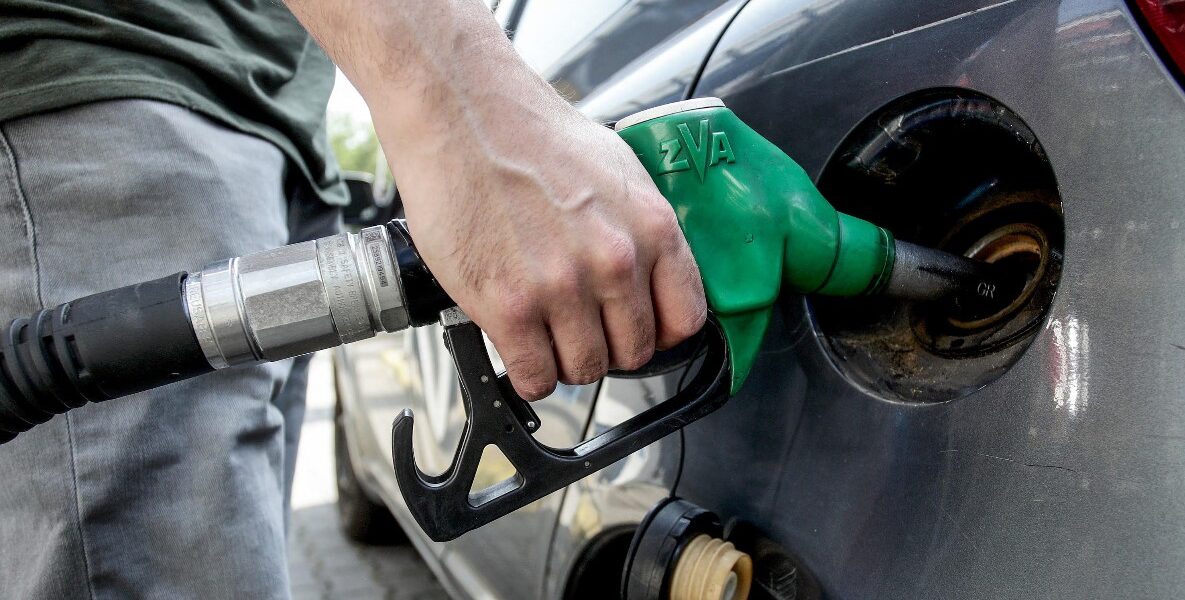
Meanwhile, the price of diesel has started to rise again: in self mode it reached an average of 2.164 euros per litre, which rises to 2.237 euros on the motorway. Petrol, which no longer benefits from the measure, reached 2.052 euros per liter and 2.138 euros on the motorway. Exactly one month ago, on August 5, prices on the road network were 5.5 cents lower for petrol, at 1.997 euros per litre, and 6.7 cents lower for diesel, at 2.097 euros.
«With an average of 2.138 euros per liter on the motorway, petrol exceeds the second highest average price ever reached in the week of 21 March 2022, when a liter of greenery cost 2.137 euros per litre, and is getting ever closer to the historical Italian record of 2.184 euros per liter reached on 14 March 2022», recalls Codacons.
For diesel, however, “the increase in prices from 1 July on the ordinary network was equal to 28 cents per liter despite the cut in excise duties”, absorbing the reduction of 17 cents decided by the government and leaving the consumer with “an additional expense of 14 euros in full”, calculates the association.
The energy decree and the comparison on coverage
The next energy decree will not include generalized cuts, but “targeted” measures, as anticipated by Prime Minister Giorgia Meloni. Since March, i.e. since the beginning of the Strait of Hormuz crisis, there have been seven excise duty interventions decided by the government, for a total cost of over 2 billion euros.
To finance the extension of the cut in excise duties on diesel which would have expired today, an advance on taxes on dividends from energy companies was used, for approximately 130 million euros. The last extension will instead be financed through the “mobile excise duty” mechanism: the extra VAT revenue collected by the State when prices increase is used to temporarily reduce the excise duty.
For the next decree, which should arrive at the end of September or the beginning of October, we are thinking of measures aimed at families with the lowest incomes and the most affected professional categories. For hedging, the technicians evaluate in particular the taxation of the extra profits of refining companies, which have increased significantly. However, the hypothesis encounters opposition from part of the majority.
Deputy Prime Minister Matteo Salvini is pushing for the aid to also go to VAT numbers and is skeptical about the use of ISEE to identify the income ceiling above which to exclude support. The other deputy prime minister, Antonio Tajani, would like the oil companies as allies in this effort.
While waiting for a solution, Adusbef, the consumer organization specialized in banking services, reminds us that CIPE, in a national emergency situation like the current one, allows the government to evaluate a temporary return to administered prices.