

Google Discover

Preferred Sources
A proportional system corrected by a fixed majority bonus of 105 parliamentarians (70 deputies and 35 senators) for whoever obtained the highest number of votes provided they exceeded the 42% threshold and a mechanism for choosing those elected which is a mix of preferences and blocked list leaders.
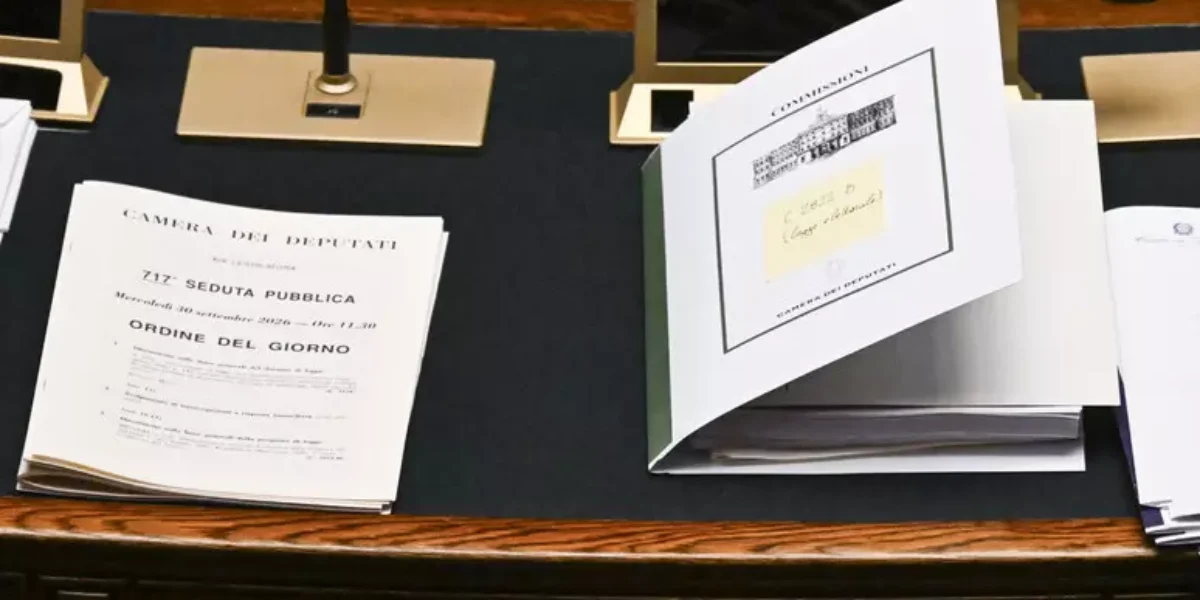
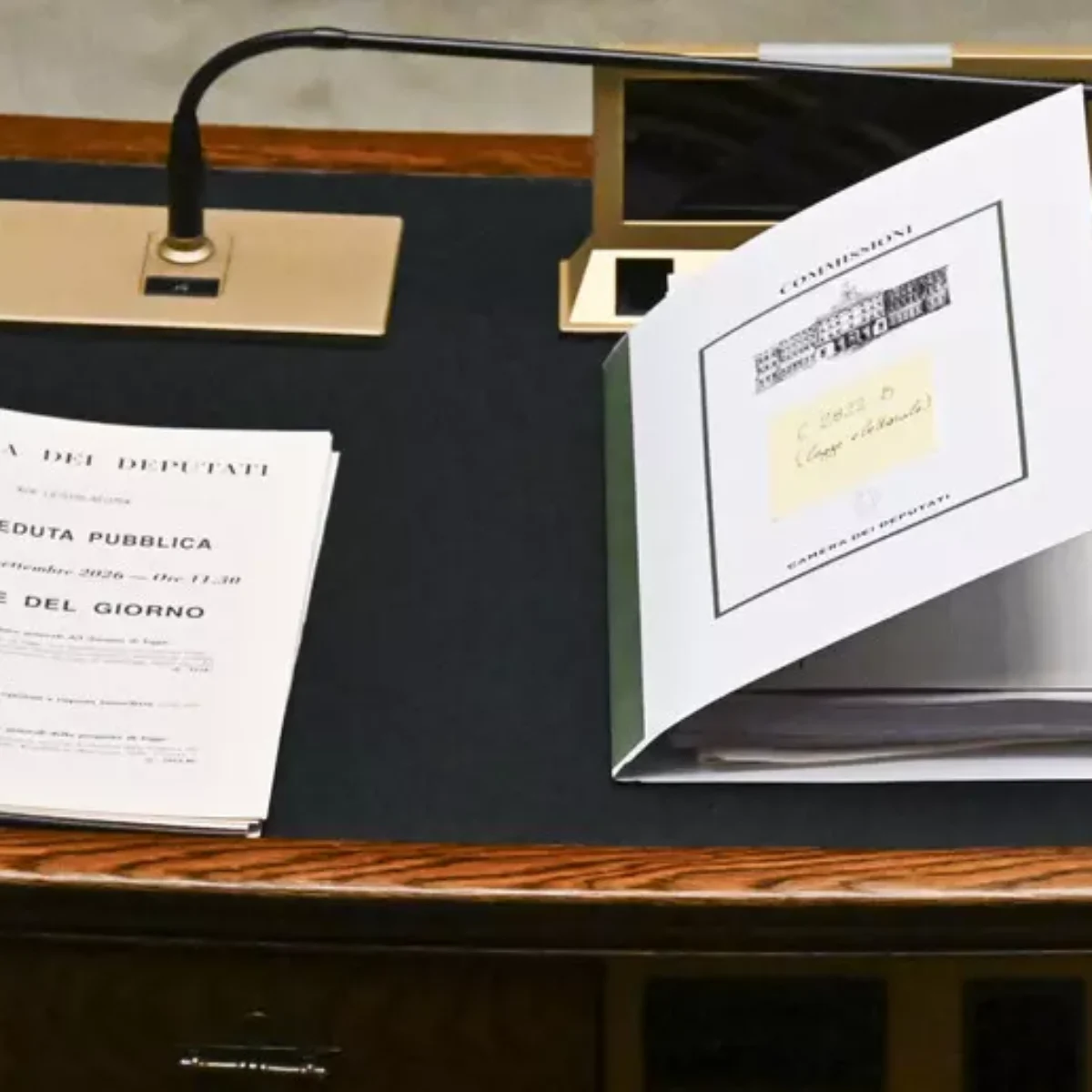
This is the structure of the reform of the electoral law approved today by Montecitorio which also includes the novelty of the Prime Minister’s indication.
Here are the measurements in a nutshell
PROPORTIONAL WITH A REWARD FOR THOSE WHO EXCEED 42% – The text provides for a proportional mechanism with a fixed governability bonus of 70 deputies and 35 senators for those who have obtained the best result if they have exceeded 42% in both Chambers. Below that, or in the case in which the House and Senate give different electoral results, the seats are distributed using pure proportional representation.
PREFERENCES WITH LEADERSHIP BLOCKED – The reform provides for the reintroduction of preferences with a mixed mechanism: on the ballot there will be, next to the party logo, a list of 6 names – under the blocked list leader (graphically separated from the others). The voter will be able to express up to three preferences with alternating gender, under penalty of cancellation of the second and third preferences in the list order. No one can be a candidate in more than five multi-member constituencies, in a leading position or in a different position.
NO ALTERNATION IN THE LEADERS – In the overall candidatures presented by each list or coalition of lists in the single-member constituencies, neither gender can be represented in excess of 60 percent. There is no provision, as happens in the Rosatellum, for a 60 to 40 gender quota for the list leaders.
INDICATION OF THE PREMIER – At the same time as the mark, the lists deposit the electoral program, in which they declare the name and surname of the person to be indicated as a proposal for the position of President of the Council of Ministers. In the case of lists linked to each other, these must necessarily indicate the same person with a declaration signed by the leaders. The text specifies the protection of Article 67 of the Constitution which provides for the absence of mandate constraints and that of Article 92 on the prerogative of the Head of State to appoint the Prime Minister.
MAJORITY SEAT CAP – The law identifies a ceiling for the number of parliamentarians that can be obtained by adding those won in the constituencies to those of the prize: this is a maximum of 220 deputies and 113 senators.
CLEARING THRESHOLDS – For the entry of lists into Parliament, the thresholds established by the Rosatellum remain: 10 percent for coalitions and 3 percent for lists with repechage for the best coalition.
NO THRESHOLD FOR CONTRIBUTION TO THE PRIZE – No threshold is foreseen to contribute to the calculation for the purposes of the national electoral figure and therefore to the achievement of the majority prize.
SIGNATURES AND EXEMPTIONS – The minimum number of signatures per constituency that those who are not in Parliament must collect to run in the elections rises from 1,500 to 6,000. As provided for in the current law, those who have two groups in Parliament remain exempt, as well as, based on a change introduced in the Chamber, those who have at least one group formed by 31 December 2025, such as Italia viva and Azione. For those, such as +Europa or FnV, which have a component in at least one of the two branches of Parliament, the number of signatures to be collected remains as the current one between 1,500 and 2 thousand per constituency. For Abroad (where between 500 and one thousand subscriptions from residents in the area are requested) those who have at least one elected member in one of the two branches are exempt.
FOREIGN CONSTITUTION – The geographical distributions of the foreign constituency for the Chamber are reduced from 4 to 2 (Europe and non-EU) and from 4 to a single area for the Senate.
VOTING OUT OF LOCATION, EVEN FOR CARGIVERS – The reform makes it possible after years to vote out of town in the place where one has been temporarily domiciled for at least 9 months (three in the case of people who are outside the Municipality for treatment) by registering within 30 days of meeting the requirements and at least 45 days after the elections in the appropriate register. During the discussion in the Senate, this possibility was extended to caregivers for family members or children hospitalized in a Region other than the one in which they are registered on the electoral lists.