

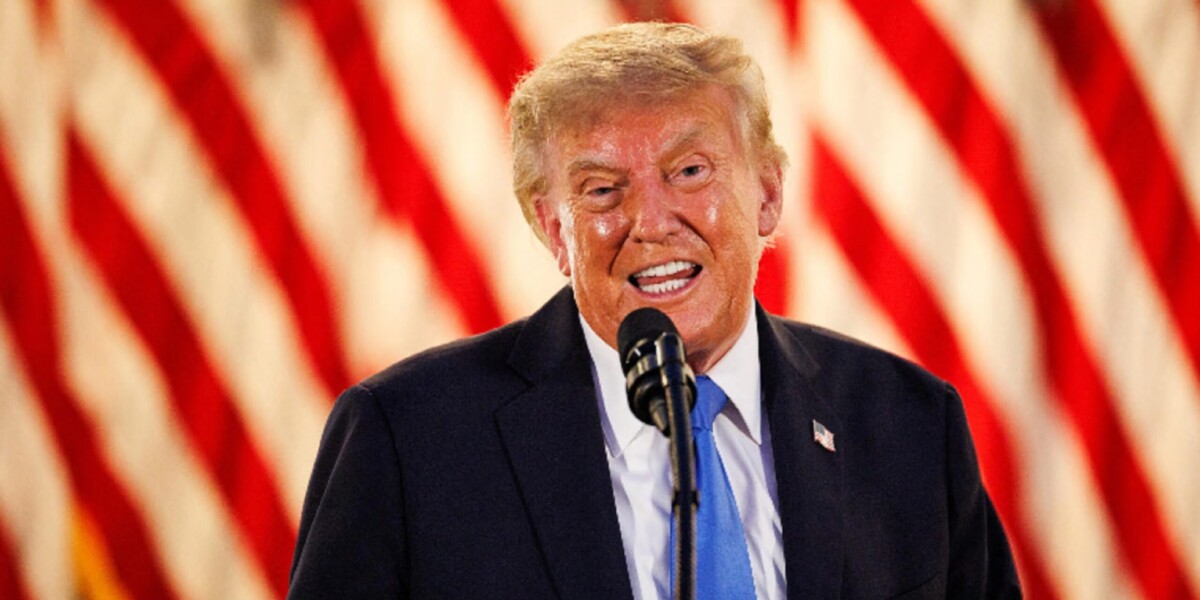
Donald Trump is threatening to block the supply system that supplies weapons to Ukraine, in order to pressure Kiev to suspend deep attacks on Russian energy infrastructure. The Financial Times reports it citing European sources.
Meanwhile, Russia is moving. In the jargon of Russian intelligence it is known as “wet work”, an expression that indicates violent operations, in particular contract killings, with dynamics even similar to the uses of the most basic crime. Operations which, however, now risk being more frequent and almost acting as “collateral damage” to the ongoing conflict in Ukraine, if it is true – as the Financial Times writes – that alarm is high among Western 007s about the intensification of efforts to assassinate European defense officials. Alarm that has pushed companies to increase security measures around their high-level executives. Meanwhile, coincidence has it that just in the last few hours, Polish Prime Minister Donald Tusk declared that a man accused of threatening an attack against him and his Defense Minister had been arrested. This comes a few hours after an emergency meeting in Warsaw precisely to deal with the news that has already arrived about this threat. The origin of the threats has not yet been clarified, nor has the man’s identity been made known: Polish intelligence spokesperson Jacek Dobrzynski, quoted by Tass, specified that Tusk and his minister received the threats in the early hours of the morning of 11 October and the newspaper Gazeta Wyborcza had previously reported that the warning had arrived via electronic channels. Furthermore, last August the Polish police arrested a 23-year-old accused of calling for the assassination of high-level Polish politicians.
And in 2024 Tusk said he had received threats after the attack on Slovakian Prime Minister Robert Fico. The fact is that Poland is a NATO country on the border with Ukraine and the conflict on its doorstep makes it a territory particularly exposed to risks of various kinds. Meanwhile, the Financial Times refers to assassinations of European civilian targets, once considered a taboo even by Russian spy agencies, but which are now taking on an increasingly relevant role: essentially CEOs and other high-level employees as targets of Kremlin agents, according to information gathered by the newspaper after hearing from officials from 5 different intelligence agencies. The managers of smaller companies are also targeted, especially those of companies involved in the production of drones or their components. Thus the German internal intelligence service, the Bundesamt für Verfassungsschutz (BfV), has significantly intensified contacts with the “staff and managers” of German defense companies, going so far as to recommend the use of private protection teams, one of the sources said. More generally, several defense industry executives told the Financial Times that they had strengthened their security measures over the past six months on the specific recommendation of government security services. “From the Russian point of view, the main objective remains psychological,” an intelligence official declared, however. “It is enough to make people believe that they could become a target to achieve the desired effect: that they think twice before doing business with Ukraine.” The alarm at the moment does not appear to directly concern Italy: according to informed sources that ANSA was able to contact, no specific alarm on what was reported by the Financial Times regarding Russia’s plans to assassinate European security officials has ever reached any communication channel between states. What the newspaper describes, the same sources point out, is the result of generic alerts on possible scenarios which have never been underestimated since the start of the conflict in Ukraine.