
Google Discover

Preferred Sources
Energy, fuel – with the possibility of activating mobile excise duties returning to the table – and government bond yields are at the center of the government’s moves in view of the next budget.
Italy is pressing Brussels to obtain greater flexibility in energy matters, in addition to those already negotiated, given the rise in inflation linked to the rise in the prices of energy goods. “We are not asking for free spending because we want to be cheerful, we must take into consideration that in our budgets there will be billions more to spend without having decided”, specifies Prime Minister Giorgia Meloni from the Med9 summit in Split.
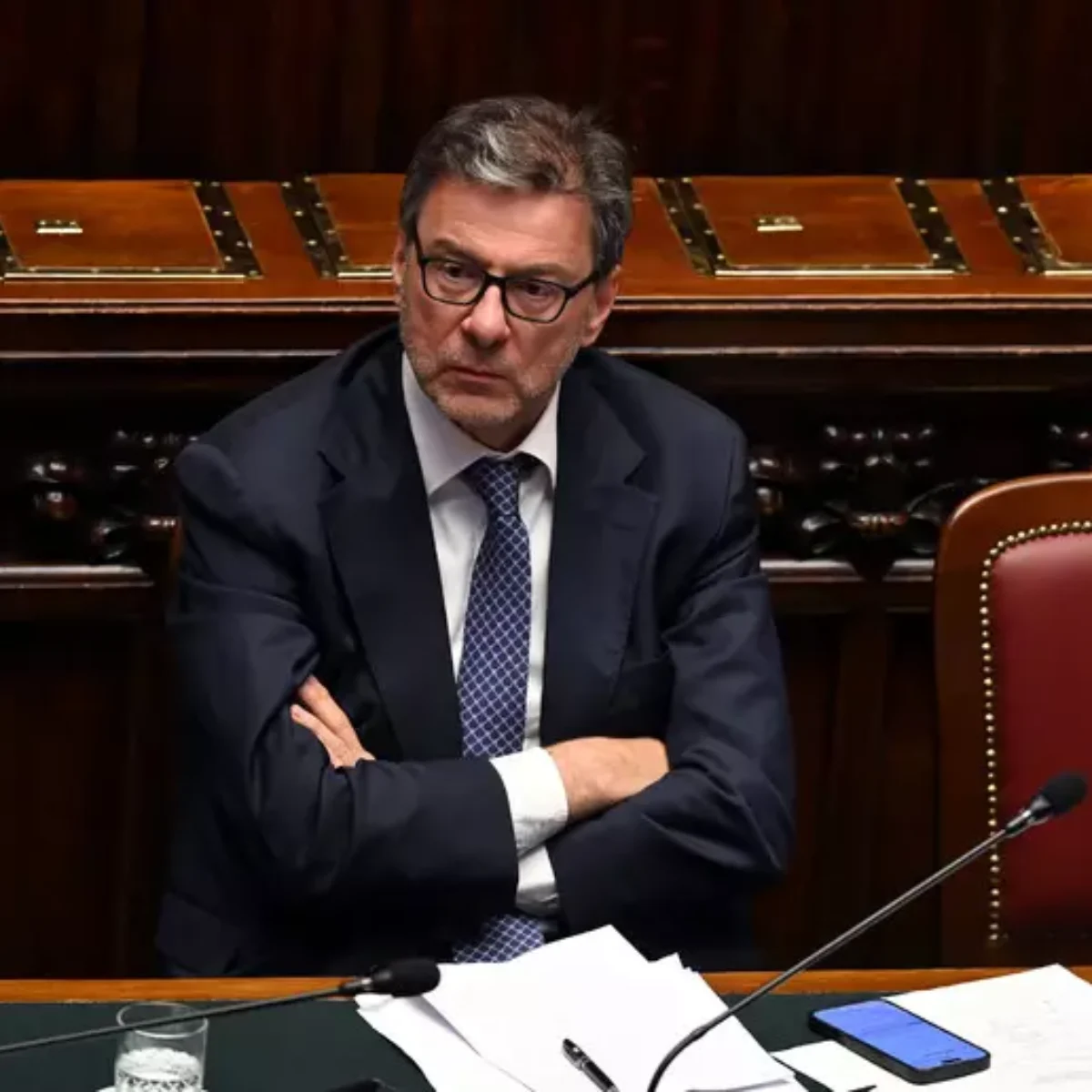
Economy Minister Giancarlo Giorgetti is along the same lines: «Starting from the principle that in recent years we have demonstrated that we are even more rigorous in respecting European budget rules, we believe that this legitimizes us to raise the issue, together with other countries». The owner of the MEF will carry forward the Italian proposals to the Ecofin scheduled for tomorrow in Luxembourg.
Commission President Ursula von der Leyden’s response to last Friday’s letter from the Italian Prime Minister should arrive no earlier than next week’s EU Council. “It’s a question in which I think there is interest,” claims Meloni. Meanwhile, European sources let it be known that tomorrow the approval for the national safeguard clause requested by Italy for energy and defense should arrive. The vote in Parliament is expected next week on the request for a budget deviation of around 29 billion for the two-year period 2027-2028. Then the final approval from Brussels is expected in November.
Meanwhile, Meloni is not closing the door on the mobile excise duty mechanism, given that on 5 October the cut in excise duties on diesel fuel still in force ended after more than 6 months. «We are always ready to intervene again, particularly with the mobile excise mechanism. In September we have around 160 million” in extra VAT revenue “that can be spent for this objective”, notes the Prime Minister.
In addition to the energy dossier, the pressure on government bond yields at a global level is also a cause for concern. Today the stock markets went into the red due to a new wave of bond sales. «The problem here», the head of Defense Guido Crosetto observed today in Transatlantico «is rather the crisis of sovereign bonds. If the infection starts, there will be trouble for everyone, unlike 2008. I’m worried and Giorgetti is aware of the risks, thank goodness he’s there and has always kept a strict line.” Inflation, Crosetto notes, «is not as high as in other countries. But the sovereign bond crisis could involve not only Europe but also the United States and China itself.”
Giorgetti himself recalls that the maintenance of public accounts «also means security of the country. Observing what happens in international financial markets, we know perfectly well how important it is to send signals of seriousness.”
Meanwhile, the International Monetary Fund launches a new warning on public debt. Director General Kristalina Georgieva deplored the lack of “decisive action” in heavily indebted advanced economies, pointing to several Eurozone countries and urging “very difficult political choices”. In Italy the public debt weighs over 3 thousand billion.
In the meantime, the search for resources in view of the maneuver continues at the MEF, the banks, through the ABI, reiterate their no to a new extraordinary contribution from the credit institutions, given that a three-year agreement has already been signed. The government’s main objective for the next budget remains the tax cut for the middle class with the extension of the Irpef rate to 33% to incomes up to 60 thousand euros. And then a 5% flat tax on the wages of those under 35 to increase their paychecks.