

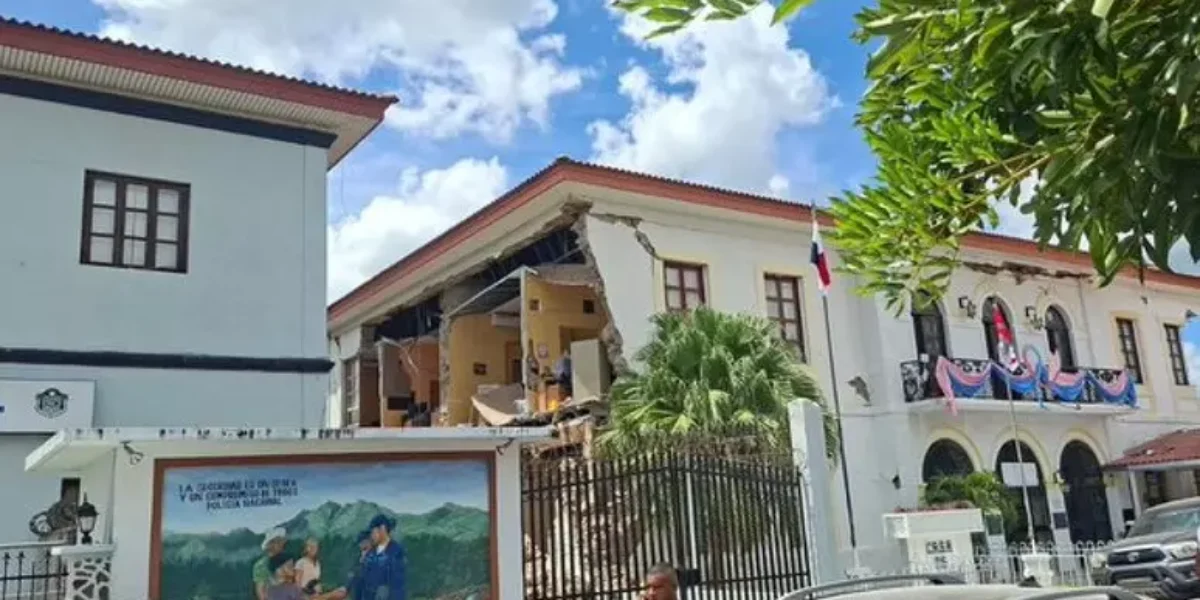
A magnitude 7.6 earthquake was recorded in southern Panama, 14 kilometers southwest of Pitaloza Arriba.
This was reported by the US geological institute Usgs. The strong earthquake caused panic in the capital Panama City, AFP journalists reported. Shortly after cIt was a second earthquake of magnitude 6. This was reported by the Panamanian network RPC TV which is already sending the first images of cracked buildings and rubble in the streets, people in the streets after the strong earthquake that hit the Central American state. At the moment there is no news of victims.
The authorities are inviting the population not to clog the telephone lines and leave room for rescue.
“I have requested a report from the ministers and competent bodies regarding the effects: calm is called for. There is no reason to use what happened to generate alarm and disorder.” The president of Panama wrote it on X Josè Mulino immediately after the earthquake.
Panama International Airport hannounced that it had suspended activities for precautionary reasons and to be able to control the structures. Furthermore, schools were closed. In the most affected areas of Coclè, Verguas and Azuero the firefighters are starting to check the integrity of the buildings. Local media broadcast scenes of people fleeing in panic from their homes and evacuated shopping centers after the tremors.
The United States tsunami monitoring system has issued a potential tsunami warning for several countries bordering the eastern Pacific following the earthquake that hit Panama. The report of possible threat concerns Ecuador, Colombia, Nicaragua, Panama, Guatemala, Mexico, Peru, El Salvador, Costa Rica.
Meanwhile, the US agency USGS has revised the magnitude of the earthquake in Panama, lowering it from 8.0, as initially announced, to 7.6.
The ‘US Tsunami Warning System’ then withdrew the tsunami warning on the Central American Pacific coast after publishing an initial warning following the 7.6 magnitude earthquake. UA moderate tsunami threat is instead considered by the authorities of El Salvador while the risk of the arrival of a freak wave is discarded by Colombia’s National Disaster Risk Unit (UNGRD).