

Google Discover

Preferred Sources
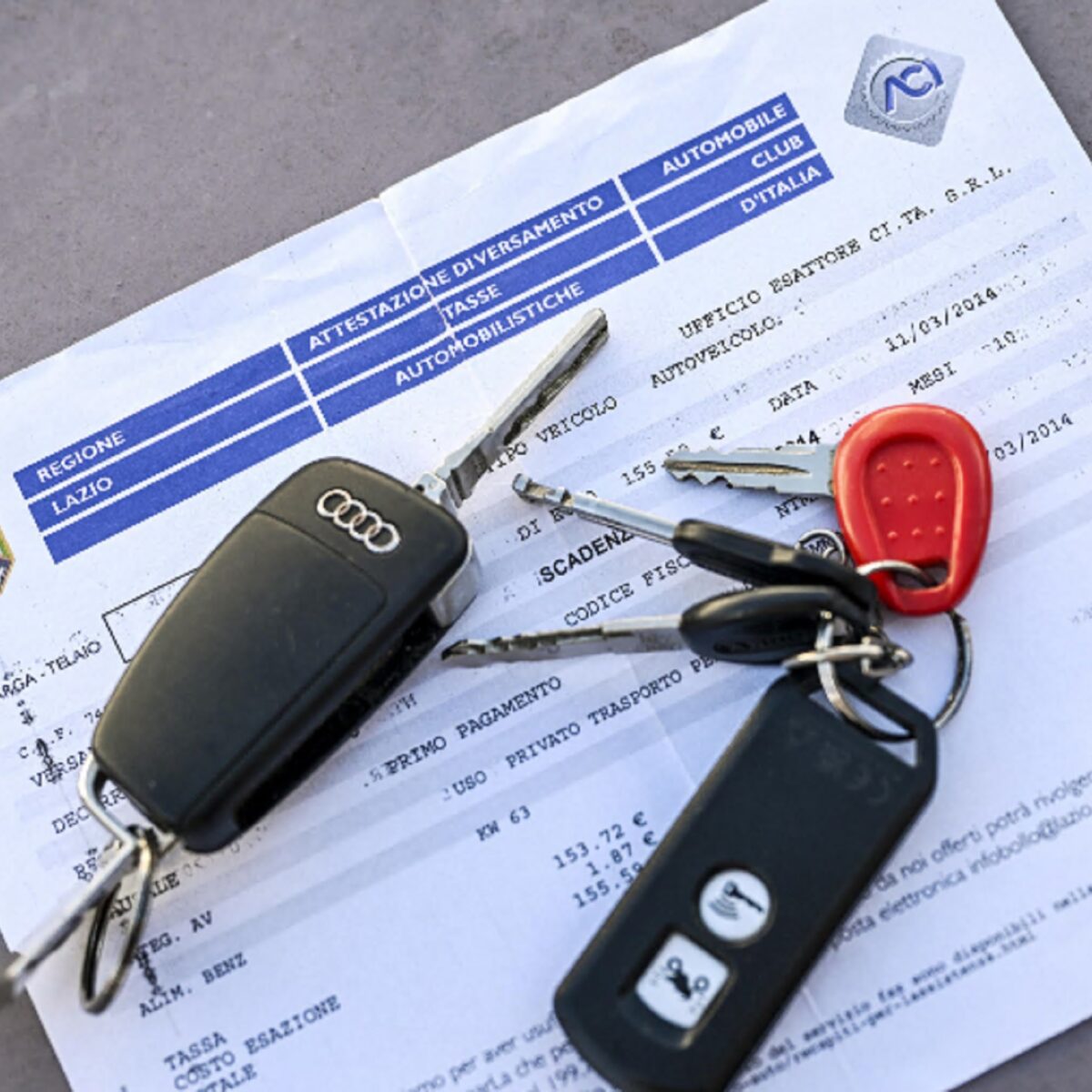
The government aims to broaden the number of recipients of the car tax exemption as much as possible. In the maneuver, the block launched in September will be extended to cars up to 133 kW for large families with at least 4 children, therefore exceeding the current limit of 80 kW. A popular intervention that further expands the measure which already today concerns 73% of families who own at least one vehicle, especially benefiting those with lower spending capacity.
What the UPB says
According to the in-depth analysis of the Parliamentary Budget Office, the exemption contained in the latest excise decree and valid for 2027 in fact intervenes “on a tax that impacts up to six times more on the budgets of less well-off families compared to wealthier families”. Furthermore, the elimination of the tax, considered together with the reductions in fuel excise taxes implemented during this year, would potentially be worth about half the weight of the 2026 fuel price increase.
The issue of coverage and the Regions
So far the lights. But among the shadows, underlines the PBO, there is the prospect of making the intervention structural without having yet identified the suitable coverings. If in 2027 the exemption will be compensated with surplus funds from the Pnrr, for 2028 and 2029 the issue still remains uncertain. Furthermore, the measure was launched without fully considering the impact on the Regions, which collect the tax and which would see the revenue replaced with a state transfer.
“A few weeks after the reform that strengthened the autonomy of this tax, the lost revenue is transferred to the state budget, causing the increases decided by the individual regions to fall on all taxpayers”, underlines the PBO, highlighting that if it were to become permanent, the measure would risk weakening the fiscal responsibility of the entities and “crystallizing their current fiscal effort at the expense of the state budget”. Furthermore, “the criteria for the distribution of state compensation remain uncertain, which could cancel out the effects of the August reform even before its application”.
The opportunity for reform
In general, the Parliamentary Budget Office believes that the structural exemption from road tax could be an opportunity for the reform “of a tax which is currently poorly connected to the value, use and environmental impact of vehicles”. In the event that the increase in fuel prices proves to be persistent, the context could require, alongside emergency measures, structural interventions that make the use of the car less necessary, from the provision of local public transport to the organization of working times, notes the Public Accounts Authority.