

Add the Gazzetta del Sud as a source
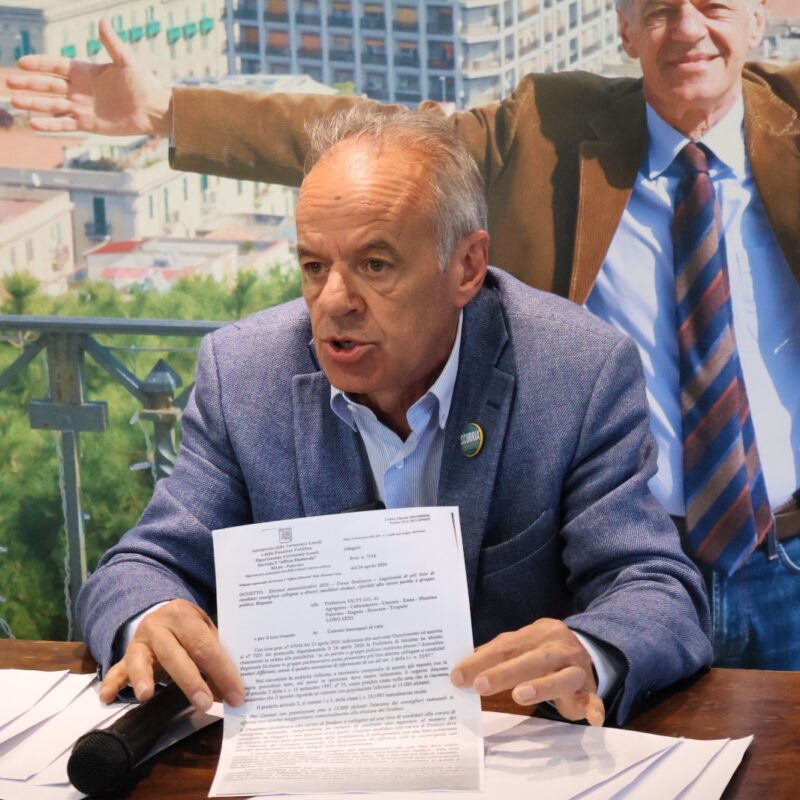
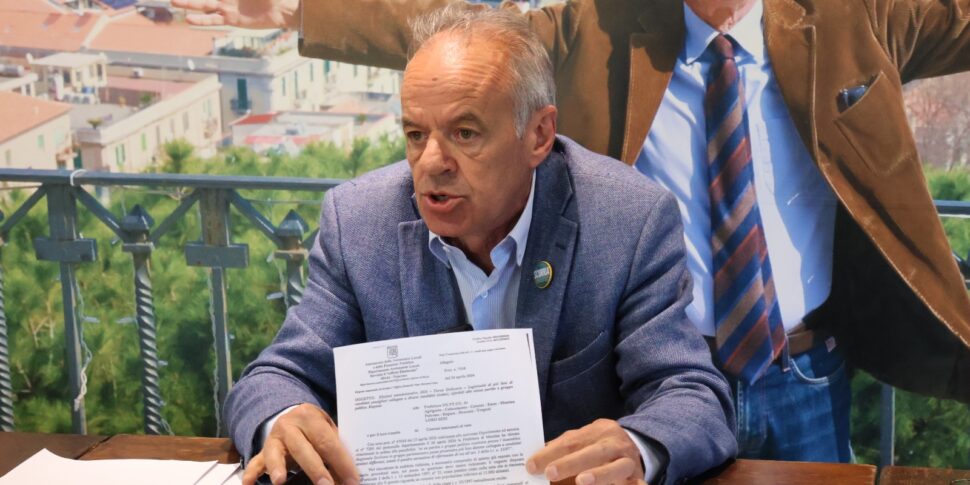
Two weeks after the proclamation of mayor Federico Basile, the composition of the new municipal council still remains an issue to be resolved. A delay that Marcello Scurria, candidate for mayor in the last administrative elections, does not hesitate to define as the symptom of a paralyzing political dynamic: according to Scurria, even in the presence of a solid majority and without the need for complex external alliances, the appointment of councilors would be held back by a sort of “Cencelli Manual 2.0”. The problem, underlines the exponent of Rete Civica, is not linked to the government of the city, but to the management of the internal balance of a single faction, with the search for a formula capable of satisfying all currents at the expense of administrative speed. Here is the full note from the centre-right mayoral candidate Marcello Scurria:
“Fifteen days have passed since Federico Basile’s proclamation and the new municipal council is still not there.
After the vote, the game of expectations began. Who got the most votes, who remained outside the Council, who claims space after having contributed to the electoral success, who awaits political recognition.
A delay which takes on an even more significant political significance if one considers that 6 Councilors had already been nominated during the electoral campaign.
Yet we are not faced with a situation of electoral uncertainty. There are no majorities to build, alliances to negotiate or political agreements to reach after the vote. Basile clearly won and has a solid majority.
For this reason the question becomes inevitable: what is slowing down the appointment of the council?
The problem is all within the majority.
We are faced with a curious and unprecedented version of the Cencelli Manual. It is not about a fractious coalition or opposing parties.
It concerns only one political field. Only one party. One area of power.
The result is an entirely Messina paradox. A strong majority that risks being held back precisely by the management of its own strength.
The more days pass, the more the impression is strengthened that the problem is not identifying the best councilors to administer the city, but finding a formula capable of not displeasing anyone within the same political area.
The Cencelli Manual 2.0 is useful. It no longer serves to keep different parties together. It serves to distribute roles and recognition within the same party, the same movement, the same majority.
And every day that passes makes it more evident that the current game is not about the government of the city, but about the balance of a party… ideological post that uses the much-maligned old subdivision. Nothing new under the sun.”
Marcello Scurria