

Add the Gazzetta del Sud as a source
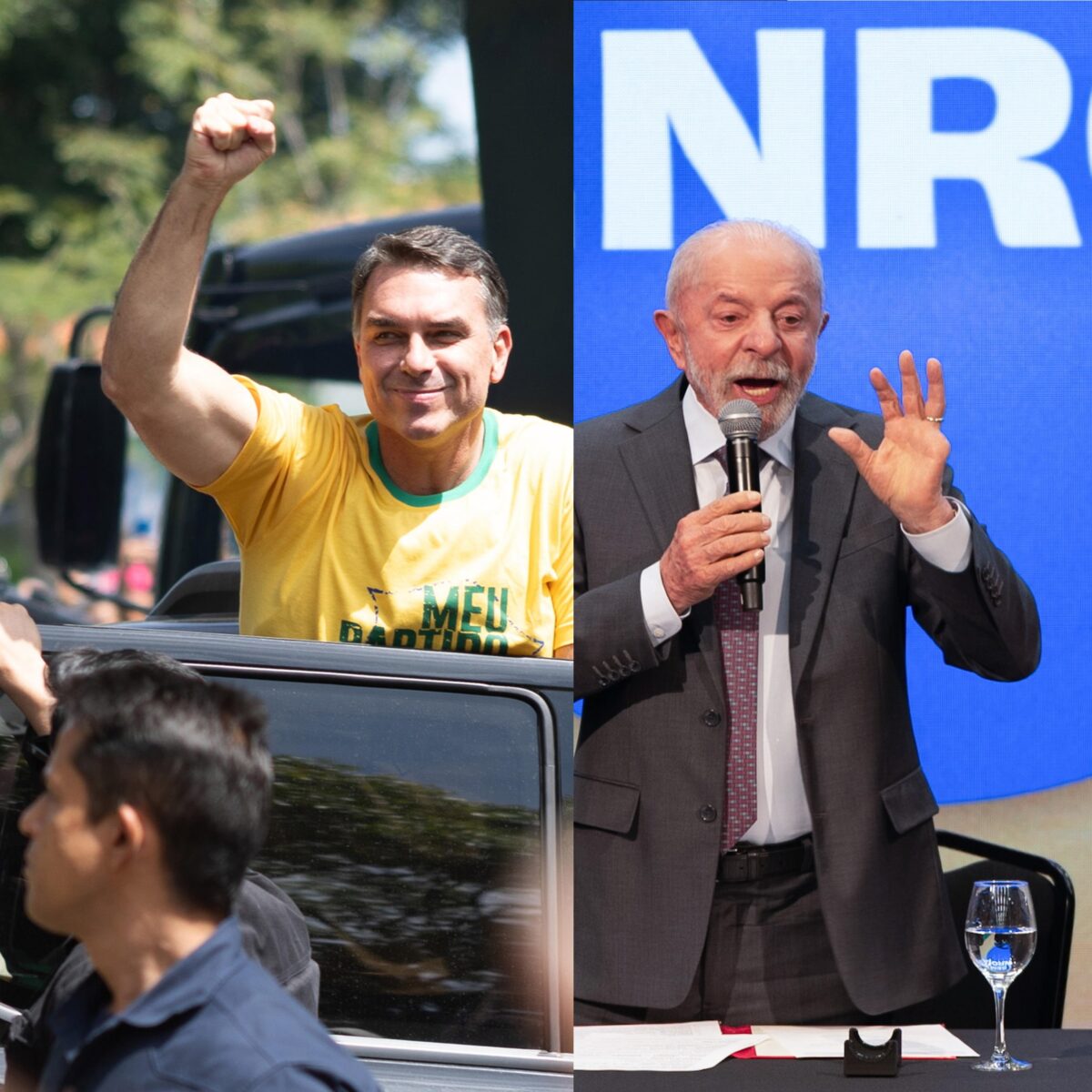
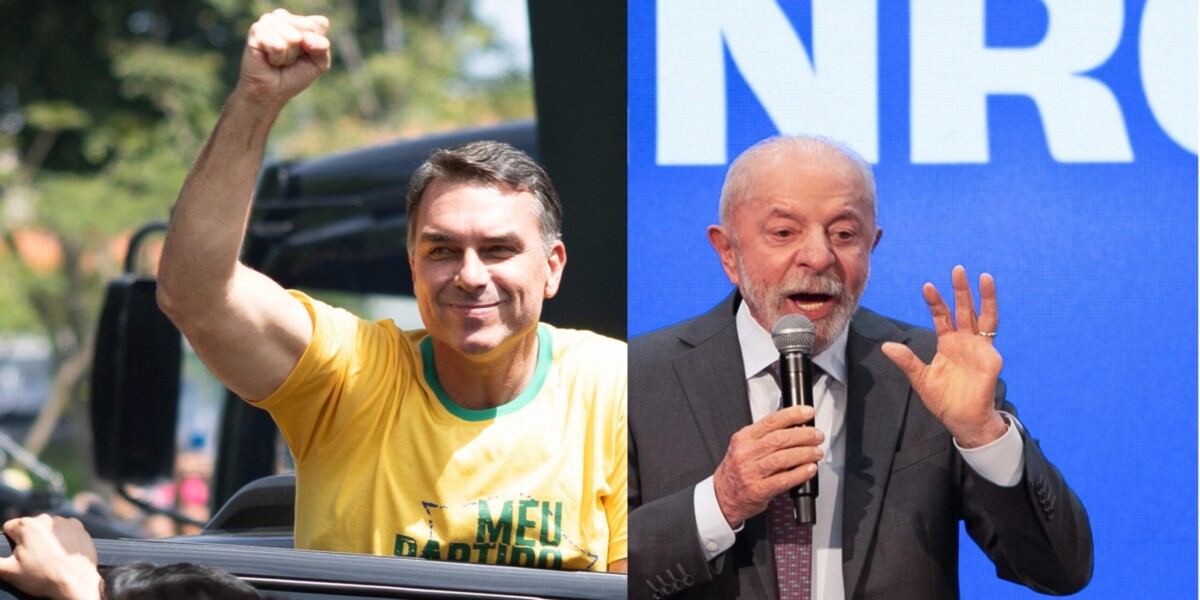
No one can say who will win between the outgoing president Luiz Inácio Lula da Silva and his challenger, Flavio Bolsonaro. The polls are pointing to a head-to-head with a run-off on October 25th. At stake is not only the choice of a president but the geopolitical role of Brazil and its future relations with Donald Trump. Lula has always promoted multilateralism. At the UN he said that his country “will never be anyone’s backyard”. Bolsonaro, on the other hand, has already announced that he is ready to join the Shield of the Americas, the military coalition promoted by the USA which all the sovereignist leaders of the region have joined. In the last hours, the two candidates have fired the final shots of this electoral campaign, marked by judicial scandals, low blows, fake news, religious wars and external threats.
For Lula “on the one hand there is the democratic revolution, the rights of women and workers, on the other there is barbarism, fascism”. He then urged those over 70 to go to the polls: “If you don’t want to vote for yourself, vote for your grandchildren, for your children, for Brazil”, he reiterated at the last rally in the central Avenida Paulista of his beloved Sao Paulo.
Bolsonaro instead called for a “rebel” vote against “evil, corruption”, in favor of “economic freedom and security, against narco-terrorists”. Then he evoked street incidents. “The ballot will be held in more than three weeks, a period of time that could add more blood to our history.” Moreover, in recent days, his people have already raised the tension by announcing that Flavio will grant pardon to his father Jair, currently under house arrest, sentenced to 27 years for attempting the coup. In this heated climate, it seems unlikely that the 160 million voters will reward one of the two candidates with 50% plus one of the votes. Thus, barring ever-possible surprises, the 40th president should be elected at the end of the month.
Voting will be held from 8:00 to 17:00 Brasilia time (from 1pm to 10pm in Italy), with 26 thousand soldiers mobilized at the polls. You vote for a number and not a name, Lula traditionally has 13, Bolsonaro the same as his father, 22. Thanks to the electronic electoral system the final results will be known within a few hours. 27 governors, 513 federal deputies, 54 senators (out of a total of 81) and 1,059 state and district deputies will also be elected.
Abstention is usually around 20%, but the climate of polarization could bring this figure down. The voter who goes to the polls, however, can vote blank or void. Voting is compulsory for literate Brazilians between 18 and 70 years old, and the fine for those who do not justify their absence is up to 3.51 reals, about 50 euro cents. For young people aged 16 and 17, illiterates and over 70, participation is optional.
Outgoing president Lula is historically very strong in the Northeast, the poorest region of Brazil and with 43.5 million voters, while Flávio Bolsonaro is expected to dominate in the South (22.9 million), the cradle of Italian immigration, and in the Midwest (12 million), an important center of livestock and soy production. The North (13.1 million), which includes the Amazon, is divided.
But the eyes of all observers are focused on the populous, rich and industrialized South-East (66.3 million), in particular on Minas Gerais: since Brazil became a democracy, since the 1980s, all elected presidents have won in this state. A vote that Trump has already said on several occasions to follow with great attention, aware of its great geopolitical value: Brazil is the eleventh world economy, has the highest GDP in the southern hemisphere, as well as 12% of the world’s fresh water reserves and 23% of rare earths, strategic resources for the energy transition and the high-tech industry.