

Google Discover

Preferred Sources
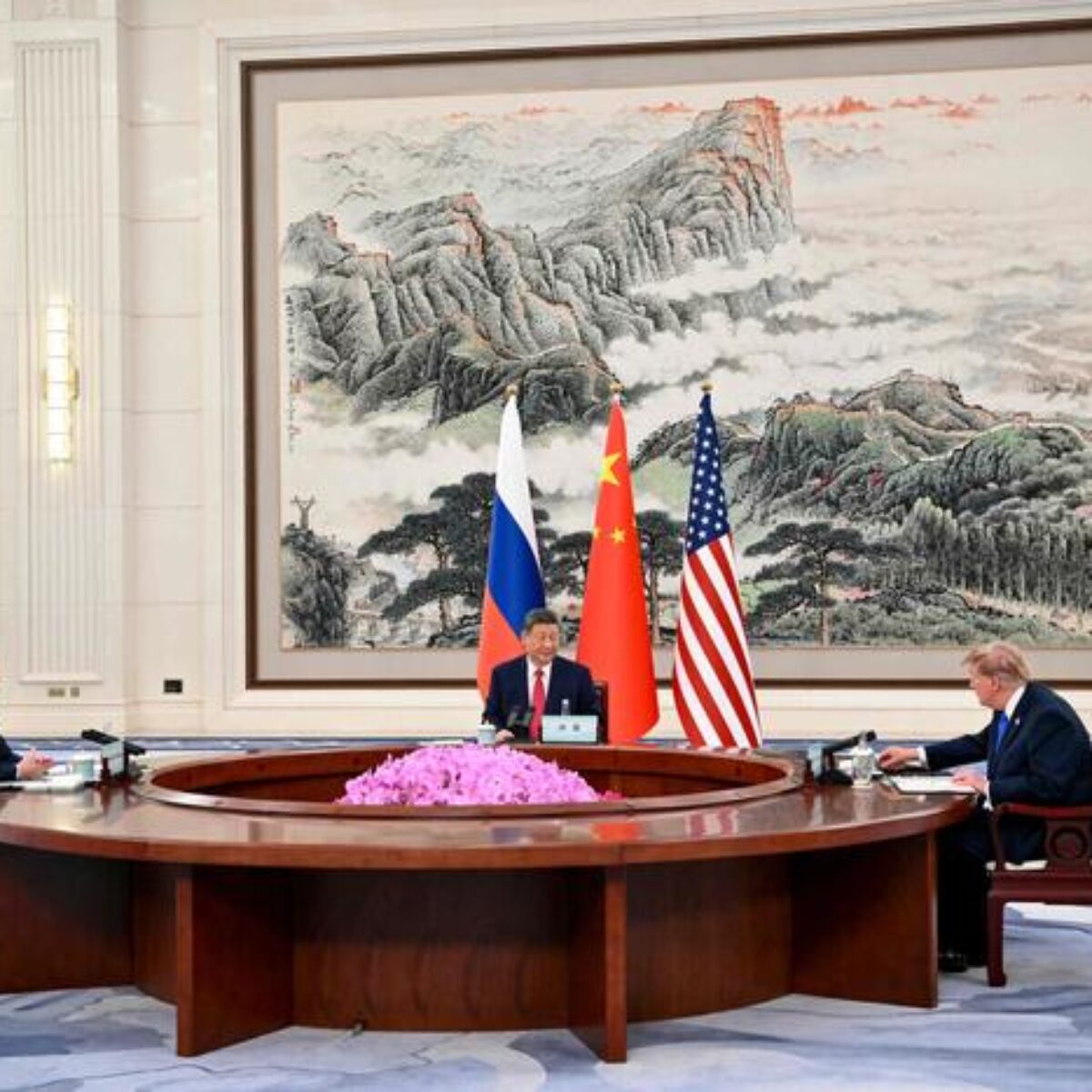
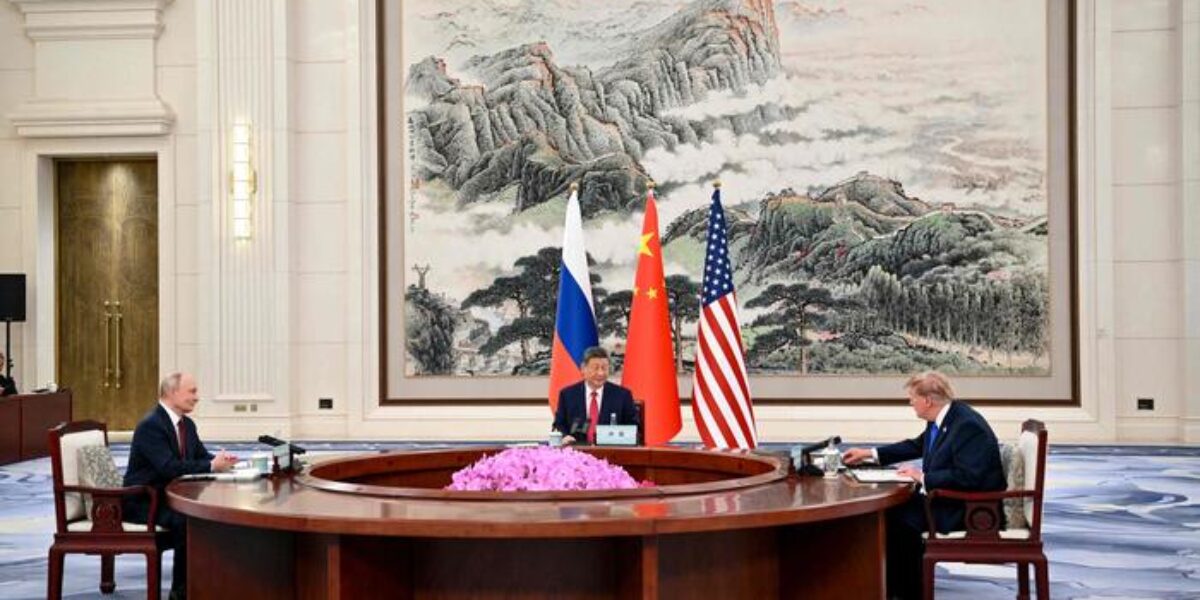
“We made history.” In Shenzhen, the trilateral meeting between Xi Jinping, Donald Trump and Vladimir Putin, which lasted ninety minutes, was the first meeting between the leaders of China, the United States and Russia, in an attempt to lay the foundations for a new world order. Thus with a declaration of peace, a common commitment to avert a nuclear war and the promise of a new season of dialogue between the great powers, the meeting delivered an image destined to weigh on international balances. Having reached a joint document is already a success in itself: but, behind the ambitions, the declaration leaves out some of the most urgent issues of the moment, especially those concerning the wars in Ukraine and against Iran. Dossiers that would have undermined from the start the posture of compactness that the three leaders wanted to show to the world.
The nuclear issue
It is above all on nuclear power that Xi has focused, trying to give the summit its highest meaning: the Chinese president has in fact invoked the need to achieve the complete prohibition and total elimination of atomic weapons, defining them as a “sword of Damocles” suspended over humanity. An objective that goes beyond the caution of Washington and Moscow, and which Beijing continues to present as part of its vision of a more stable international order. In the final declaration, however, the three stop at a more traditional formula: “A nuclear war cannot be won and must never be fought.”
They are committed to dialogue to reduce nuclear risks and prevent proliferation. An effective move but for now without content: no deadlines, disarmament objectives or control tools are indicated. To obtain more, the size of the Dragon’s arsenal is still too far from that of the United States and Russia, which respectively have over 5,000 warheads compared to around 600 (albeit accelerating) in China. The four points of the final declaration include the reform of the United Nations alongside nuclear power, with the reaffirmation of the role of the permanent members of the Security Council (of which all three are part with the strategic power of veto). Then the crucial economic reference to the stability of energy markets: the increase in the production and supply of refined petroleum products for the benefit of all nations is evoked, at a time when China and the USA are dealing with the impact of the escalation in the Gulf and Russia with the sanctions and the Ukrainian crisis. The three leaders did not spare the International Criminal Court with a call to respect the sovereignty of States and the immunities of their officials. Perhaps a courtesy to Putin who ended up in the sights of the ICC which issued an arrest warrant against him. The court “is out of control”, Trump thundered at the beginning of the trilateral meeting in front of Xi and Putin, in the brief passage captured by the cameras.
No reference to the war in Ukraine or the Iranian crisis
However, the statement made no reference to the war in Ukraine or the Iranian crisis. Two too hot dossiers with positions that would have risked stiffening the atmosphere in the villa on the lake, amidst smiles and silk scarves. But there is no doubt that the issues were at the center of the talks, with variable geometries, between the leaders, such as the bilateral one between Donald and Vladimir. Also in light of the phone call from Air Force One to the Volentersos gathered in Berlin: “It went well.” Trump met Putin for about forty minutes, in a climate that Moscow described as particularly positive, which was followed by the tsar’s invitation to the Europeans in Moscow to clarify their position. An invitation that US envoy Jared Kushner then made explicit: Moscow has opened negotiations to the Old Continent. For Xi, the summit represented above all an opportunity to accredit Beijing as a central interlocutor in the management of international crises. As host, he brought together two leaders with very different agendas, presenting great-power cooperation as an alternative to confrontation. In the bilateral meeting with Trump, however, he firmly reiterated China’s red lines on Taiwan, asking Washington to “do the right thing”. While the two also discussed artificial intelligence and the risks associated with its development. The photograph of Shenzhen shows three leaders who have an interest in recognizing each other’s role in managing the world, but who have not yet found a common position on the most difficult crises. The “story” evoked, for now, is above all that of a new table around which none of the three can afford not to sit.