

Add the Gazzetta del Sud as a source
Great success in Rome for the first edition of the Mediterranean Cup, the first inclusive national rugby tournament that brought together LGBTQIA+ clubs and open clubs from Italy and Europe. The event took place at the “Fulvio Bernardini” sports facility and was able to count on the patronage of the Department of Major Events, Sport, Tourism and Fashion of Rome Capital and the Roman Committee of the Uisp.
The event was conceived and organized by Libera Rugby Club, the first Italian amateur sports association founded with the aim of promoting the spread of rugby and combating all forms of discrimination within the LGBTQIA+ community. For over ten years the club has been committed to spreading the values of inclusion and respect, on and off the pitch.
Italian and international teams on the field
The two Libera Rugby teams, coming from Rome and Milan, the Rugby Rende Open Club and the Athenians of the Athenian Centaurs, arriving from Greece, took part in the historic first edition of the tournament. A day dedicated to sport and sharing which sent a strong message against every form of social barrier, using rugby as a tool for integration and comparison.
The success of Rugby Makes Open Club
The first trophy of the Mediterranean Cup was won by Rugby Rende Open Club, an expression of Rugby Rende, a club that this year celebrates fifty years of activity within the Italian Rugby Federation. The Calabrian club has long been carrying out initiatives dedicated to social inclusion, integration and the fight against all forms of discrimination.
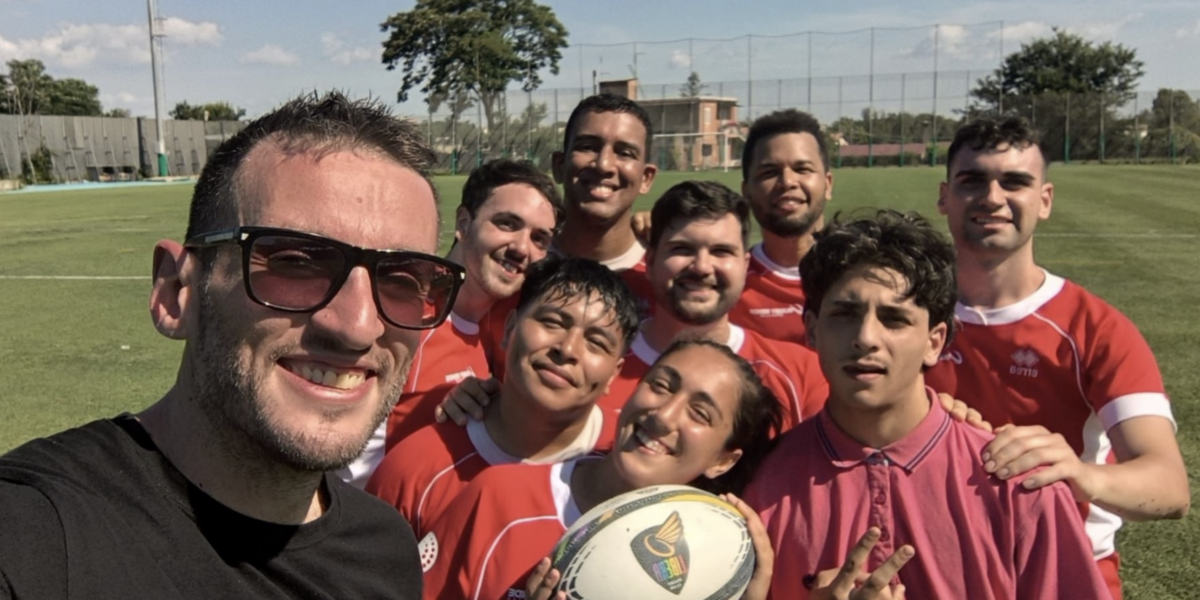
The team led by coach Bruno De Filippis showed up in Rome with a delegation made up of Jonathan Zambrano, Cristiano Iannone, Tommaso Angeli, Emma Cutrì, Giuseppe Alessio, Emmanuel Montilla and Joan Tico, under the guidance of the vice-captain of the Open Club Hindred Peña.
In addition to winning the tournament, Rugby Rende also won two prestigious individual awards. The Player of the Match award went to Emma Cutrì, while Bruno De Filippis was awarded the title of Best Coach.
Beyond the sporting results, the Mediterranean Cup confirmed the social value of inclusive rugby and the role that these realities play daily in their respective territories, promoting participation, respect and integration beyond all geographical and cultural borders.