

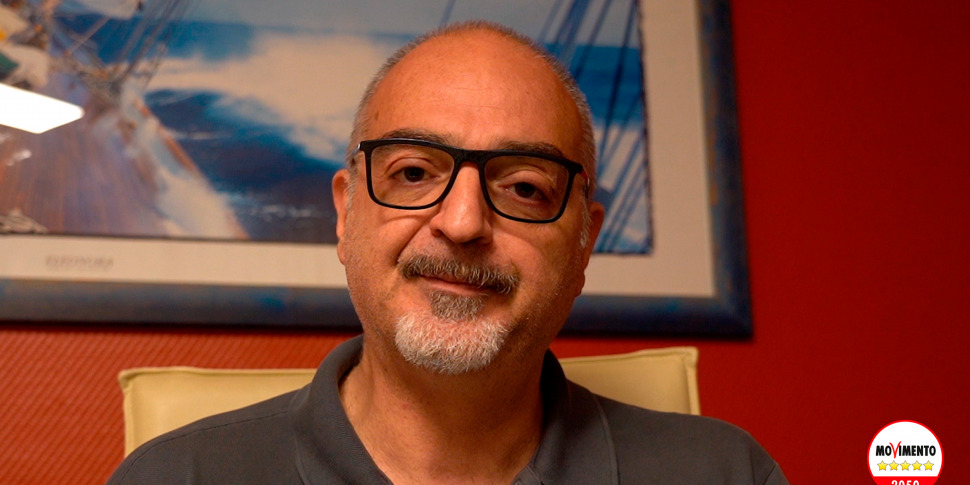
Massimo Misiti, orthopedic surgeon, former parliamentarian, today regional coordinator for Calabria of the civic and political movement “Più UNO”, founded by Ernesto Maria Ruffini, former Director of the Revenue Agency and the Revenue-Collection Agency, in an open letter, urges all Calabrian politicians, parliamentarians and regional ones, to work towards creating in Calabria “an oncology center of excellence – writes Misiti – capable of becoming a national point of reference. On the eve of the discussion of the next Budget Law, why not ask the Government for an extraordinary investment to create a highly specialized center in our region in which to concentrate skills, technologies, research and assistance, where the best professionals, both Calabrian and otherwise, can find space, the most advanced diagnostics, oncology surgery, radiotherapy, innovative therapies and clinical research. Italian and international oncologists. A place capable of attracting professionals, rather than losing them. And above all, a place where a Calabrian, and not only, can find, when clinically possible, top-level care without being forced to leave their region”.
And Misiti focuses his attention precisely on healthcare migration, noting how “thousands of citizens are forced every year to turn to facilities outside the region to receive oncological treatments. Behind those numbers there are people who get on a train or a plane, families who look for accommodation far from home, children who ask for time off from work, spouses who accompany their loved ones. There are patients who, in addition to fighting against their own illness, also have to face the distance. And there are families who, in the most dramatic moment of their lives, have to bear expenses that they often put a strain on the family budget – writes Misiti – it is not just a health problem. And to anyone who might observe that creating an institute of this kind would involve the use of huge economic resources, Misiti invites all politicians to ask themselves “how much does it cost Calabria to continue to do nothing? It costs regional healthcare, through healthcare mobility. And it is an expense for families who have to bear travel, accommodation, meals and other expenses; for workers who have to be absent from their jobs; it costs businesses and the family economy. It is a burdensome cost for patients, who have to face the illness away from one’s emotional network. And it also costs Calabria in terms of skills: because when a territory fails to offer highly specialized opportunities, it risks losing doctors, researchers and young professionals. The real question, therefore, should not be just how much it costs to build an oncology center of excellence. We should ask ourselves – concludes Misiti – how much it costs us to continue not having one”.