

Add the Gazzetta del Sud as a source
The Pasdaran do not give up on the Strait of Hormuz even in the face of the new wave of American attacks. “It will remain closed until the attacks stop,” they forcefully reiterated. Donald Trump, however, not only does not intend to loosen his grip on Tehran, but is increasingly tempted by a real escalation, with the aim of unblocking the paralysis in the Strait and then tackling the nuclear issue.
Trump’s threats
With the memorandum of understanding wobbling under the weight of cross-raids, the commander-in-chief hints that from next week the situation could worsen for Iran. “We will destroy all their power plants and all their bridges, unless they sit at the negotiating table,” he declared, explaining that the US attacks will continue “until I say enough is enough.” The US president has left energy as the last of his targets but now, faced with an Iran that does not bend, he is considering the blow he considers definitive: hitting oil. For this reason he convened the National Security Council, transforming the meeting into a summit to evaluate all the options on the table. Among the hypotheses there is also the taking control of the island of Kharg – from where 90% of Iranian oil exports originate – and Trump does not exclude the possibility of ground troops.
The summit at the White House
After having reimposed the blockade on Iranian ports and ships, the commander-in-chief – who could receive Israeli Prime Minister Benyamin Netanyahu on Monday – took stock with Vice President JD Vance, Secretary of State Marco Rubio, Pentagon Chief Pete Hegseth and CIA Director John Ratcliffe. Trump then defined his next moves: in addition to hitting targets near the Strait of Hormuz, American forces could conduct attacks against strategic targets in the coming days to try to force Iran to return to the negotiating table. If the raids do not prove sufficient, Trump intends to hit Iran’s energy infrastructure, depriving it of oil revenues.
A war of attrition
Having reached 140 days, the war has now entered a new phase, and both Washington and Tehran are aware that time is running out to achieve their objectives. While the 60 days set by the memorandum of understanding to find a definitive peace agreement are ticking away, Trump wants to accelerate before the mid-term elections in November and before oil prices start to rise again. Tehran, however, hopes to be able to resist longer, trying to prevent the American blockade from inflicting a fatal blow on the already weak Iranian economy. According to many observers, both sides seem to have concluded that the best strategy is a low intensity conflict, waiting for the adversary to give in – a war of resistance that could last well beyond the expiry of the agreement reached, on which Trump’s unpredictability weighs, with his announcements and his sudden U-turns, the latest in chronological order being the one on the Hormuz toll.
The Lebanese variable
Another variable could be that of Israel. Negotiations with Lebanon continue: the second day of talks in Rome has ended and in the “next few days” the process of implementing the “pilot zones” from which Israel will have to withdraw will begin, the United States explained. A withdrawal which, together with developments in Iran, will probably be at the center of the expected meeting between Trump and Netanyahu at the White House on Monday, reported by the Israeli media but not confirmed by the US administration.
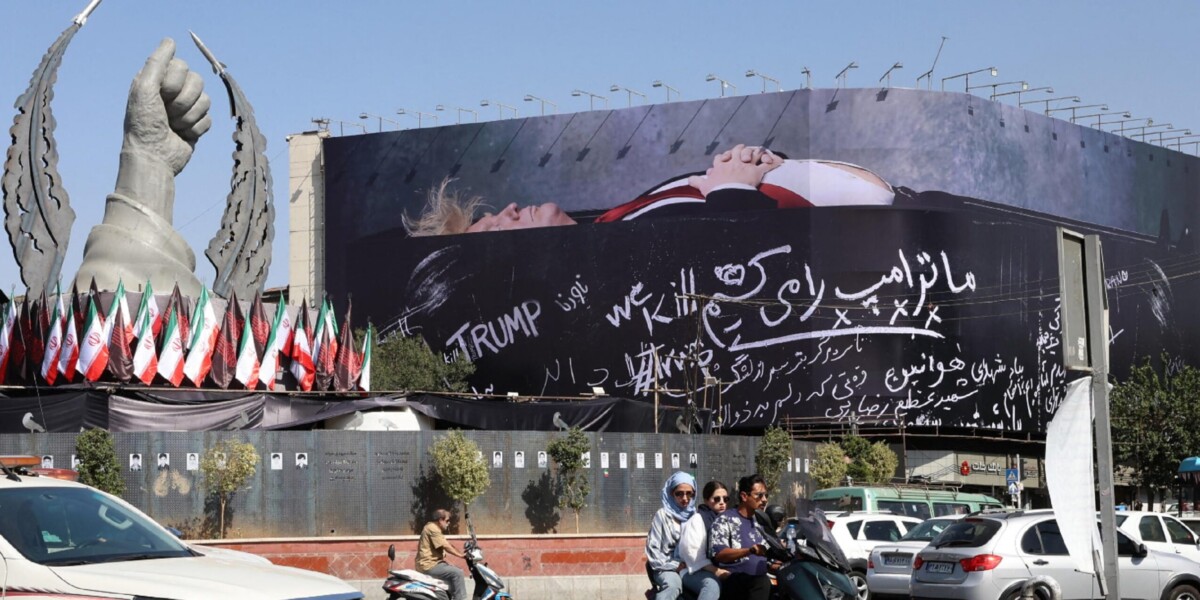
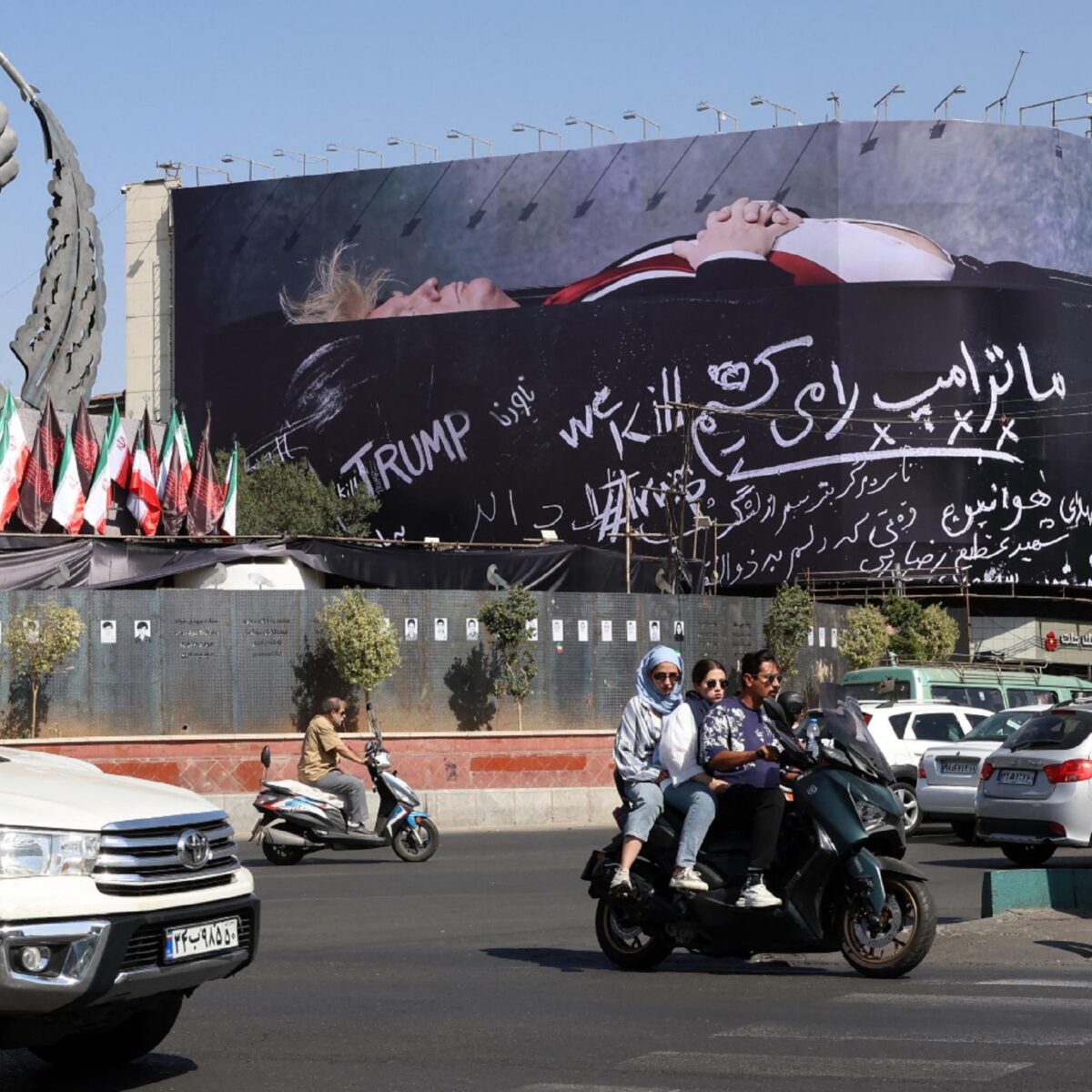
The US president in a coffin, a new mural unveiled in Tehran
A new mural depicting US President Donald Trump in a coffin has been unveiled in Tehran’s Enghelab Square, according to images published by Iranian media. Iran International reports it. The mural portrays the tycoon inside a coffin wrapped in the American flag, with the words “We will kill Trump”. The work is part of a series of calls for revenge by the most intransigent after the killing of the former Supreme Leader Ali Khamenei and is placed in the context of the escalation of the military confrontation between Iran and the United States. In central squares and near strategic sites, the anti-United States murals in Tehran represent a widespread form of state propaganda, works that are periodically updated by the Iranian government to reflect current tensions.