

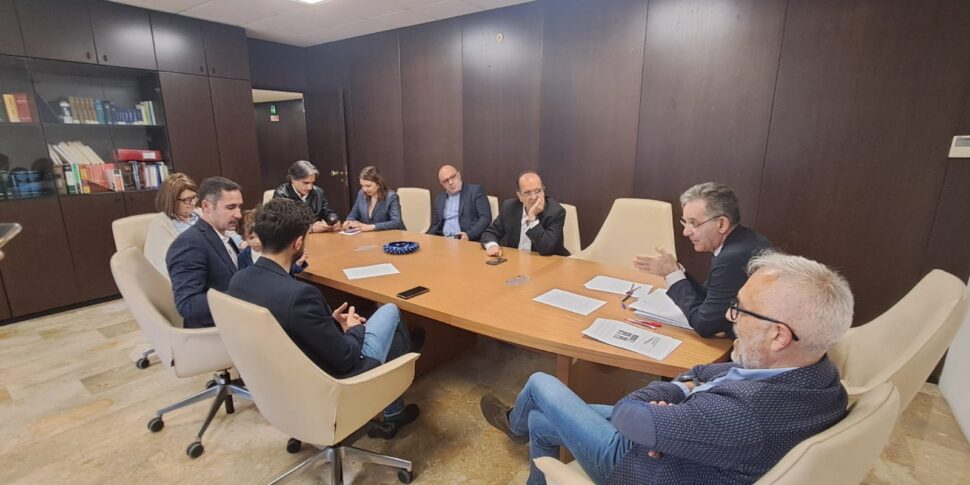
Not just a procedural stop, but an open political clash that affects the heart of regional institutions. The request for a referendum on the reform of the Statute comes to a standstill in the offices of the General Secretariat of the Regional Council of Calabria after a long afternoon marked by tensions and technical checks, transformed into a real chess game.
The filing of the request by the opposition
Yesterday afternoon the regional councilors Ernesto Alecci, Rosellina Madeo, Giuseppe Falcomatà and Giuseppe Ranuccio (Pd); Enzo Bruno (Tridico President); Elisabetta Barbuto (5 Star Movement) and Francesco De Cicco (Progressive Democrats) – representing all the minority council groups united and cohesive on the political path undertaken – went to the general secretary Tommaso Calabrò to file the request “request for a popular referendum for the approval of the regional law of 3 March 2026, n. 9, containing “Amendments and additions to the regional law of 19 October 2004, n. 25 (Statute of the Calabria Region)”, pursuant to art. 123, third paragraph, of the Constitution and articles 5 and 7 of the regional law of 26 November 2025, n. 45″.
The seven regional councilors, in fact, have activated the procedure provided for by article 123 of the Constitution, asking to leave the evaluation of significant changes to the regional structure to the citizens.
The technical block and the reaction of the councilors
But the report signed in the rooms of the General Secretariat is clear: the process “cannot be started”. A passage which, beyond the technicality, is read by the opposition as a blockade of the popular will.
“Citizens are prevented from choosing”, is the political summary that accompanies the story. The request for a popular referendum lodged yesterday for the attention of the President of the Regional Council, the President of the Regional Council and the Regional Secretary represents a clear and legitimate step on a constitutional level: giving citizens the opportunity to express themselves on a significant modification to the Statute of the Calabria Region.
The reference to the Constitution and the regulatory issue
In fact, as provided for in article 123 of the Constitution, laws that affect the statutory structure can be subjected to a referendum if at least a fifth of the regional councilors request it. This is exactly what happened: seven councilors formally exercised this prerogative, asking that the Calabrians evaluate and confirm – or reject – the reform approved by the Council.
“It is not, therefore, a generic political act, but the use of a precise instrument of democracy envisaged by the legal system, designed precisely to guarantee direct control of citizens over the fundamental changes to regional institutions – explain the seven regional councilors -. Yet, in response to this request, the procedure was blocked on a technical level, with the reason that the process cannot be started on the basis of the regional legislation in force. A decision which opens up an evident institutional issue: on the one hand a right recognized by the Constitution, on the other a regional norm which prevents concrete implementation.”
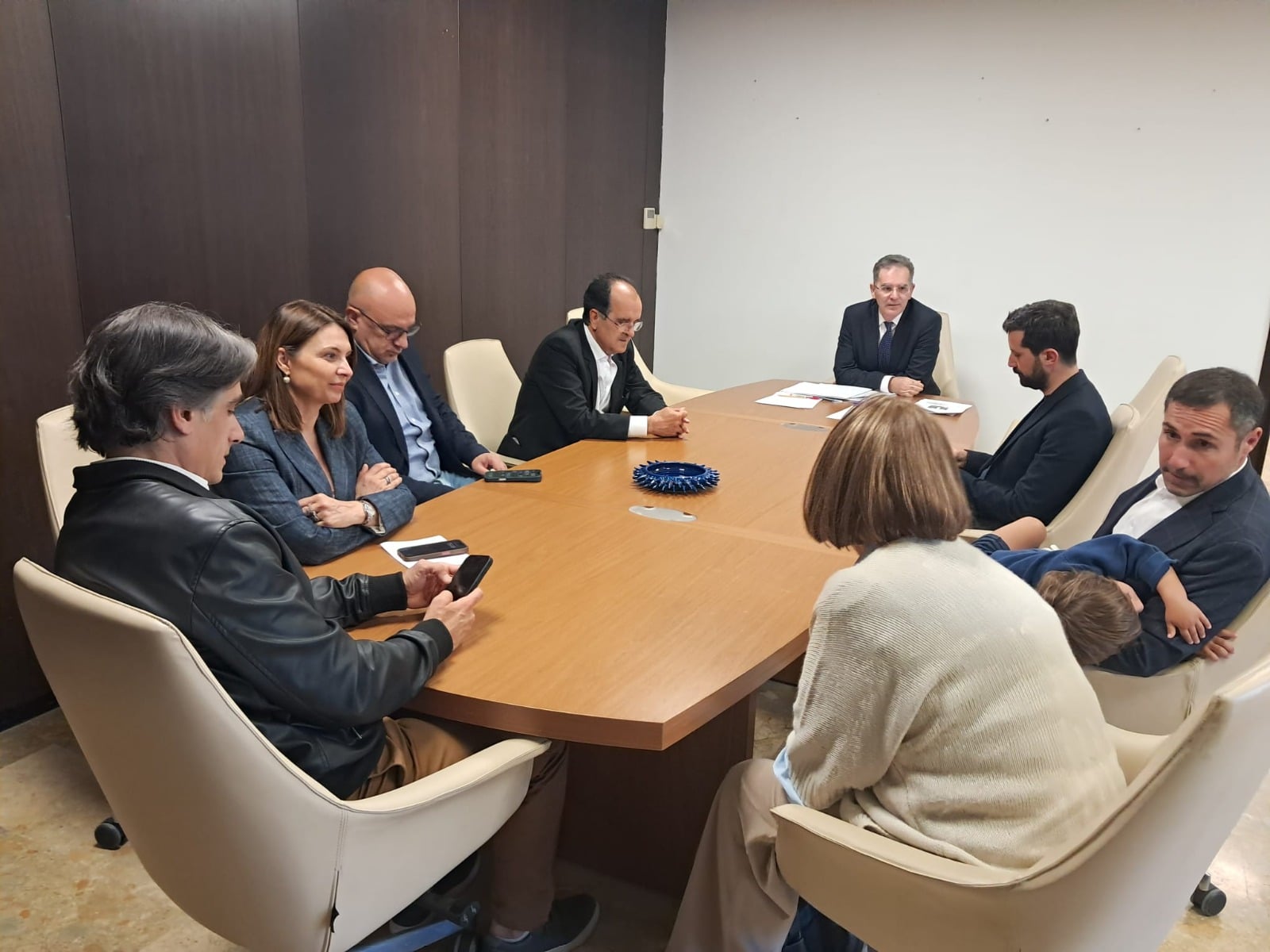
The defense of democratic participation
It is here that the story takes on a precise political meaning. What is at issue is not just a procedural step, but the very possibility of exercising an instrument of democratic participation. In other words, “the possibility for citizens to intervene directly on choices that affect the structure and functioning of the Region is lost”.
“The issue, therefore, is not only legal, but profoundly political: it concerns the relationship between institutions and citizens and the concrete possibility of exercising the rights of participation provided for by the Constitution. The objective remains only one: to guarantee that the Calabrian people have the last word on such important choices”, explain the seven regional councilors.
Towards popular mobilization
The result is a head-on clash that now moves outside the institutions. The declared objective is popular mobilization, also through a popular initiative bill signed by the ten regional opposition councilors which will be presented in the next few days.
The political battle remains open, with a decisive question at the center: who really decides on Calabria’s fundamental choices.