

The picture of the economy in Sicily is growing, but slowing down, driven by the construction sector and in particular by public works, and could worsen due to the “uncertainty” of the international context. The photograph is contained in the Bank of Italy’s «Report on the economy of Sicily» presented today in Palermo.
In 2025, economic activity in Sicily grew by 0.6%, a slightly higher variation than that of Italy, but less intense than the previous year. In industry in the strict sense the economic situation was slightly positive; companies with increasing turnover prevailed over those with decreasing sales: the balance was higher for larger companies.
Exports of non-oil products grew (7.1%) mainly due to the contribution of shipbuilding
naval, agri-food and electronics; foreign sales of petroleum products instead fell by 23.4 percent, both due to the drop in quantities exported and the trend in prices.
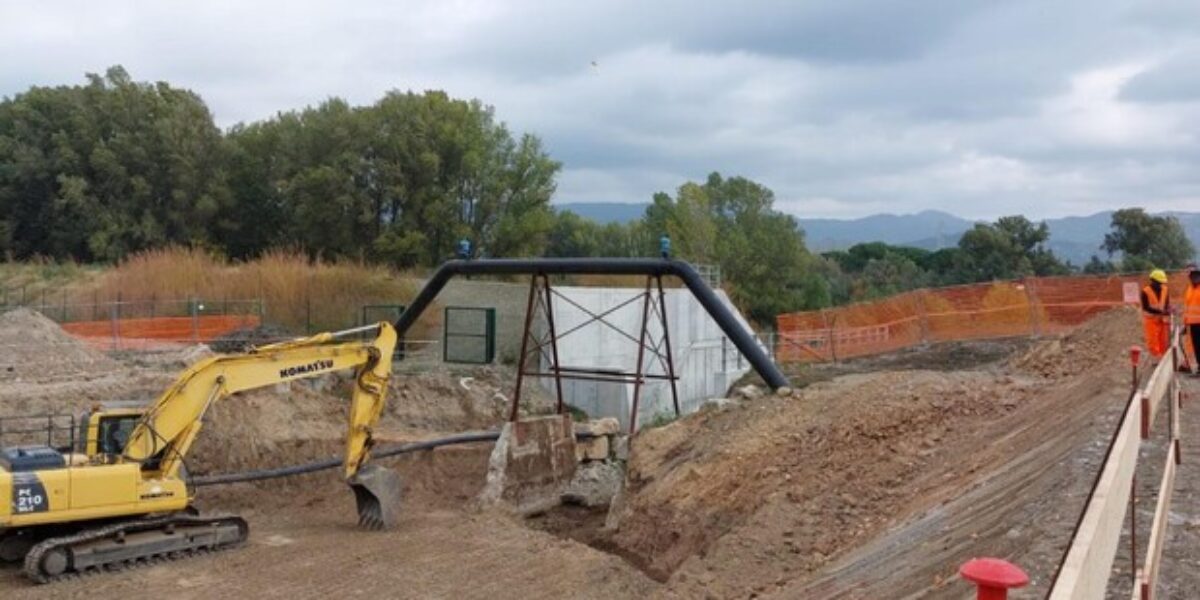
The activity of the construction sector grew: the increase in the public works sector more than offset the reduction in private construction. Sales and home prices increased. In recent years, the growth of construction has been reflected in the strengthening of companies in the sector; the latter recorded an incidence of companies with strong employment growth that was higher than both the other sectors and the corresponding national figure.
The slowdown in growth was particularly evident in the services sector, which accounts for four fifths of regional added value. Among companies, the cases of increases in turnover substantially equaled those of decreases: tourist presences increased, while passenger traffic at the island’s airports remained at the levels of the previous year. Maritime transport, on the other hand, has shown positive trends in the movement of both passengers and goods: the sector generates almost 4 percent of the added value of joint-stock companies.
The economic results of the companies, explains Bankitalia, were overall positive, contributing to the growth of liquidity. Investments, which recovered slightly, also benefited from the reduction in the cost of credit. The “uncertainty deriving from the international context” weighs on future prospects, with the majority of companies hypothesizing “a decline in capital accumulation”.
Public spending on investments +7% and good Region accounts
In 2025, spending by regional territorial bodies grew by 7 percent, driven mainly by the capital component, which increased by almost a third. The dynamic reflected the intensification of investments relating to the implementation of cohesion policies and the National Recovery and Resilience Plan (Pnrr)”. «European policies, in addition to the creation of public works, have also contributed to the technological innovation of businesses and to the digital transition process of local authorities, although the latter still presents delays compared to the national figure – continues the report – The increase in current spending (3.7 percent) is attributable to all types of authorities. Revenue has increased. The improvement in the budget balances of local authorities continued, although the financial imbalances of municipalities persisted more widely than the national average. The Region has achieved full recovery from the deficit, recording a positive balance.”
The income of Sicilian families grows by 2.6%.
The positive trend of the labor market supported the income of Sicilian families which, according to estimates by the Bank of Italy, which today presented the annual report on the Sicilian economy in Palermo, grew by 2.6% in 2025. In the presence of slightly higher inflation than the previous year, income in real terms grew by 1%. Consumer spending in the region increased by 1%, in line with the Italian average. The sustained growth in loans to families, with an annual variation of 3.7% (2.3% in 2024) was favored by the acceleration of housing loans, whose disbursements grew by more than a quarter, reaching 2 billion euros. The trend mainly depended on the increase in demand for new financing in connection with the expansion of home sales. The growth of consumer credit remained strong (4.8%).
The construction sector driven by the increase in public works
Surge in the construction sector thanks to the opening of more construction sites for public works which more than compensated for the reduction in private construction. The added value of construction grew, at constant prices, by 1.5%, hours worked by 3.1%, supported by public works, while investments by local authorities increased by 34.5%. Sales and house prices are soaring
In services, however, from which four fifths of regional added value comes, growth has slowed. Among companies, the cases of increases in turnover have substantially equaled those of decreases. Forward snapshot of tourist presences. Maritime transport has shown positive trends in the movement of both passengers and goods; the sector generates almost 4% of the added value of joint-stock companies. Investments showed a slight recovery, also benefiting from the reduction in the cost of credit. The uncertainty deriving from the international context affects expectations for the current year, with a clear prevalence of companies predicting a decline in capital accumulation.
Employment +0.9%, but that of women and graduates decreases
In 2025, employment in Sicily continued to grow (0.9%), but it is slowing down compared to the strong expansion recorded in the previous two years and “a higher stability of job positions” is accompanied by “still significant difficulties in integrating the unemployed and inactive people into the job market”. The data emerges from the «Report on the economy of Sicily» presented today in Palermo by Bank of Italy. The unemployment rate decreased by 0.8 percentage points to 12.2% (6.1% in the national average); the long-term one, referring to those who have been actively looking for a job for at least 12 months, fell by 0.4 points, to 7.6% (3.1% in Italy). The “critical issues” relating to the difficulty of finding work for the unemployed and inactive “are part of a context characterized by unfavorable demographic conditions, linked to the decline and aging of the population”. Compared to 2019, the Report underlines, the total population resident in the region decreased by 2.1%; the decline was more marked for those of working age, which decreased by 4.4%. Bank of Italy analysts have labor market flows following individual transitions between employment, unemployment and inactivity twelve months later.
“In the annual transitions observed between 2021 and 2024, the labor market in Sicily showed more intense mobility than the national one”, we read in the report, which however underlines: “The permanence rate, or the share of individuals who are still employed after twelve months, increased from 91.1 to 94.1 percent, converging towards the levels observed for Italy”, but “at the same time, the rates of permanence in unemployment and inactivity remain high; this persistence, which is higher in Sicily due to unemployment, however also characterizes the other areas”.
«The chances of the unemployed3 transitioning into employment remain significantly lower than the national average – we read in the report (13.4% compared to 21.4%), with significant heterogeneity: entry rates are higher for the unemployed with previous work experience and decrease for the other categories considered. Observing the personal characteristics of unemployed residents in Sicily, the greatest probability of moving towards employment emerges for men, young people between 15 and 34 years old, graduates and foreign citizens. However, for young people and graduates the negative differential compared to the national figure is wider”.