

Add the Gazzetta del Sud as a source
Tesla launched the Cybercab on Thursday 3 September in Austin, Texas: it is the electric vehicle without a steering wheel or pedals designed specifically for self-driving taxi services. A few hours after the first vehicles were put on the road, the US federal road safety authority, NHTSA, opened an investigation into the way in which Elon Musk’s group self-certified the vehicle’s compliance with safety standards.
A launch behind closed doors
The event was held late Thursday afternoon at ACL Live, in downtown Austin, in front of an audience of invited guests selected from customers of the robotaxi service. Contrary to the company’s habits, there was no live broadcast open to the public – the broadcast was reserved for employees – and the choice aroused disappointment among fans of the brand, who remained waiting on social media. The guests were the first to board; the rides were opened to other users starting from Friday 4 September, in a limited area of the city. Tesla’s head of artificial intelligence, Ashok Elluswamy, had defined the launch as an “important day for the future of transportation”.
The NHTSA investigation
On Friday morning the NHTSA announced the opening of an audit query, provision numbered AQ26002 and referring to approximately one thousand vehicles, to examine the procedure and technical data on which Tesla based itself to certify the Cybercab. In the United States, manufacturers themselves certify compliance with the Federal Motor Vehicle Safety Standards and the authority intervenes only at a later stage: the problem is that many of those standards were written assuming a human driver, therefore the presence of a steering wheel, pedals, mirrors and controls that can be reached from the driving seat. The agency intends to examine the extent to which Tesla’s certification was based on the assessment that some of those standards are not applicable to a vehicle without manual controls.
NHTSA Administrator Jonathan Morrison said the agency supports the development and safe deployment of automated vehicles but, as a federal regulator, must ensure laws are followed. There is a close precedent: Zoox, Amazon’s autonomous driving company, had self-certified its robotaxi in 2022, also without a steering wheel and pedals, and the procedure opened by the authority the following year slowed down its path towards commercial use: the exemption that allows it to charge for rides only arrived at the end of July, more than three years later. The Department for Transport has meanwhile proposed removing the requirement for manual controls for vehicles designed to drive themselves.
What is Cybercab
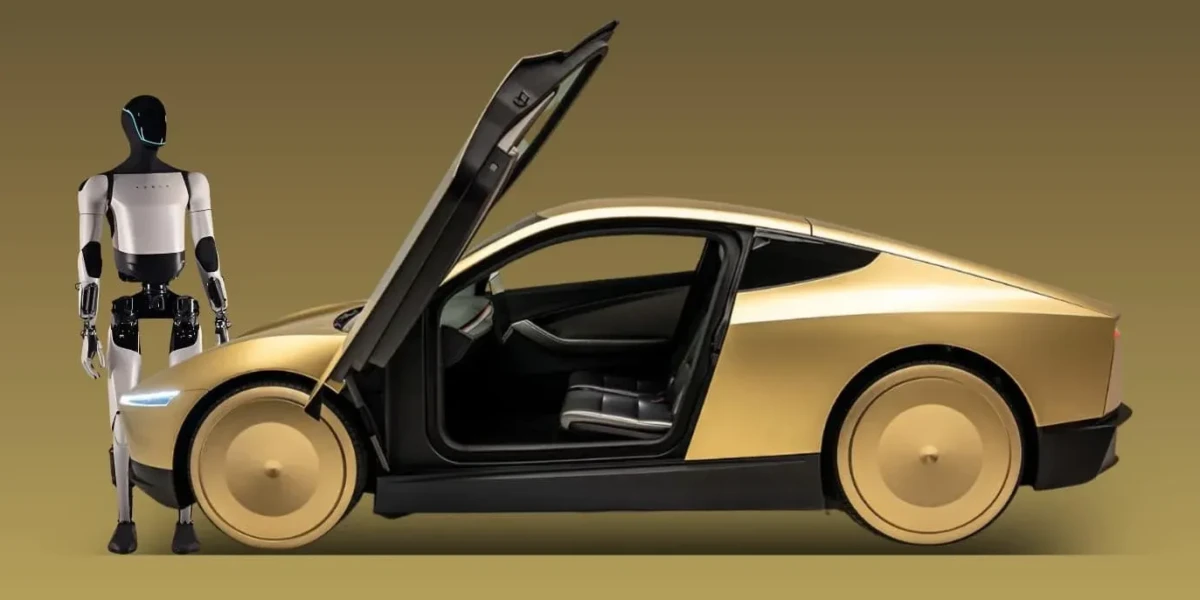
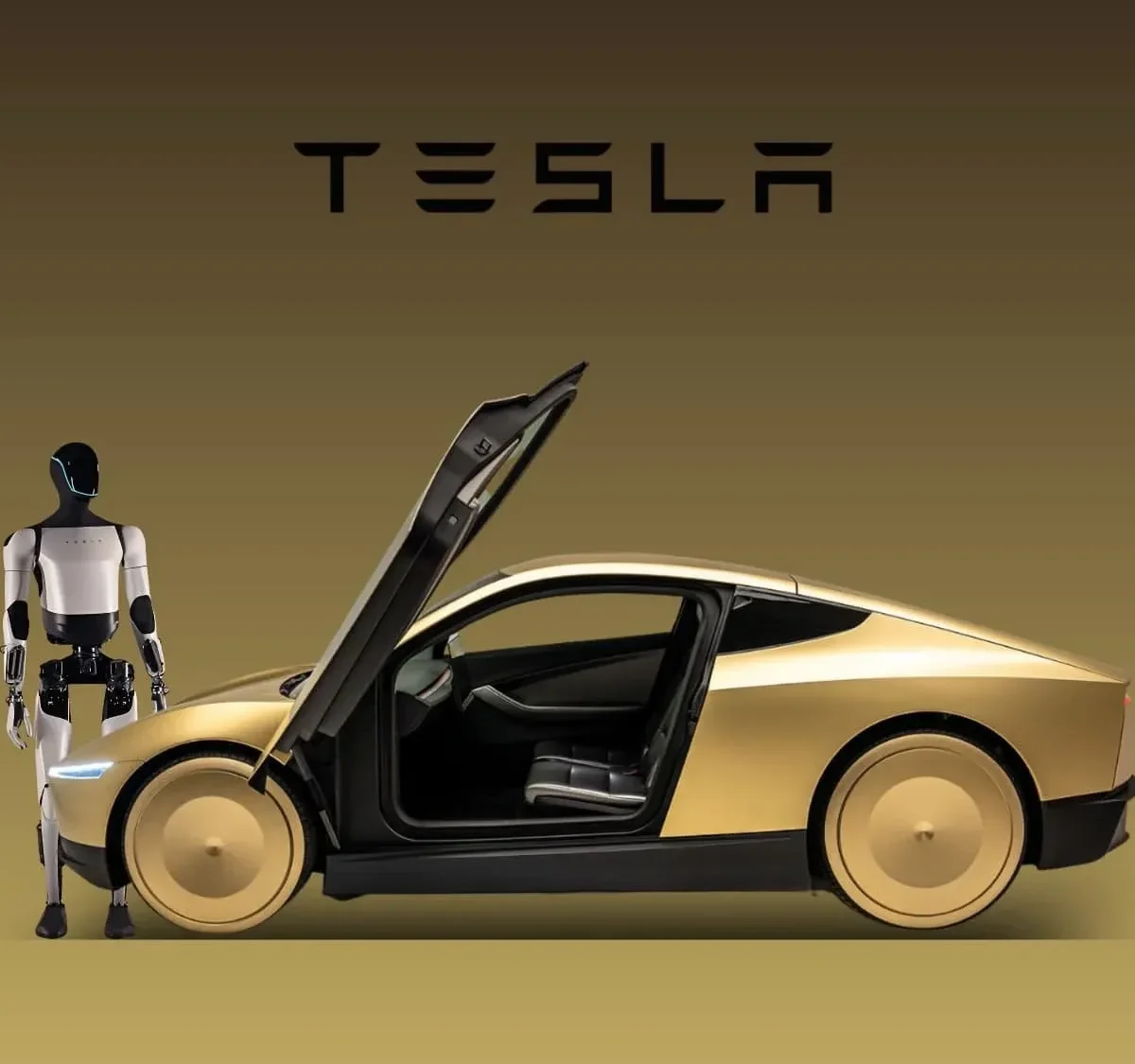
Presented in October 2024 in a Hollywood film studio, the Cybercab is an electric vehicle with a gold body, without a steering wheel, pedals and rear-view mirrors. It was designed primarily for robotaxi services and can only carry two people. At the time of the presentation, Musk had predicted the start of production by 2027. In the weeks preceding the launch, reports of specimens spotted in the streets of various Texan cities, including Dallas, or parked in rest areas had increased on social media.
The robotaxi service and the Texan terrain
Tesla inaugurated its robotaxi service in Austin in June 2025, using Model Y SUVs equipped with self-driving software, because the Cybercab was not yet ready. The service started with a limited number of vehicles, in a very narrow area of the city and with selected users; the operational area was then gradually expanded and the service opened to the public. Tesla robotaxis now also operate in Orlando, Tampa, Miami, Dallas, Houston and San Francisco. Itay Michaeli, analyst at TD Securities, predicts that Cybercab will be introduced in a similar way, proceeding in phases: “It will be a limited launch,” he explained to AFP, underlining that Tesla will take into account the evaluations of the first steps before extending the service.
According to the FSD Database, which collects data from the Texas Automobile Authority, Tesla had registered 314 robotaxis, including 45 Cybercabs, on the launch date. Texas has legislation favorable to autonomous vehicles and has become a major testing ground for services already in operation, such as Google’s Waymo and Amazon’s Zoox, or still in the testing phase, such as Hyundai’s Motional.