

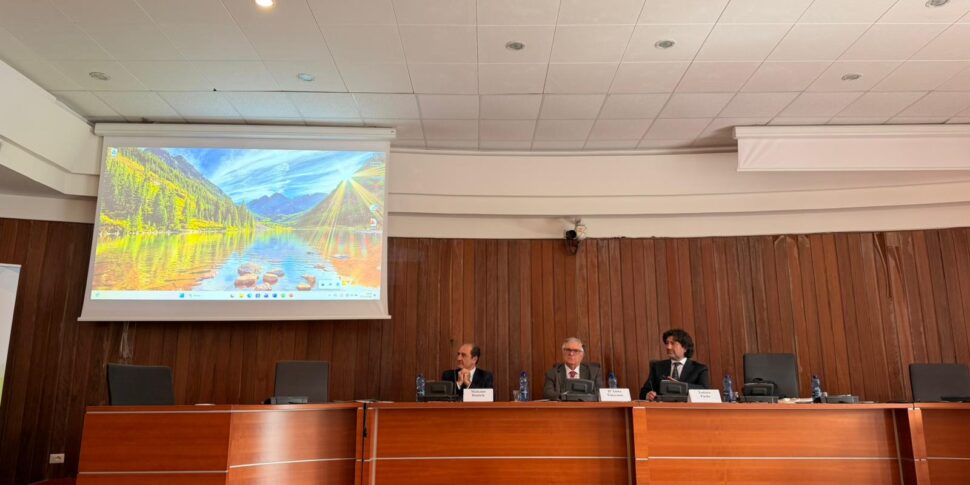
The role of the biologist in contemporary society, his professional skills, ethical responsibilities and new employment opportunities were at the center of the conference “The biologist in the world of work: skills, responsibilities and new professional frontiers”, which took place this morning in the Aula Magna of the Congress Palace of the AOU “G. Martino” of Messina.
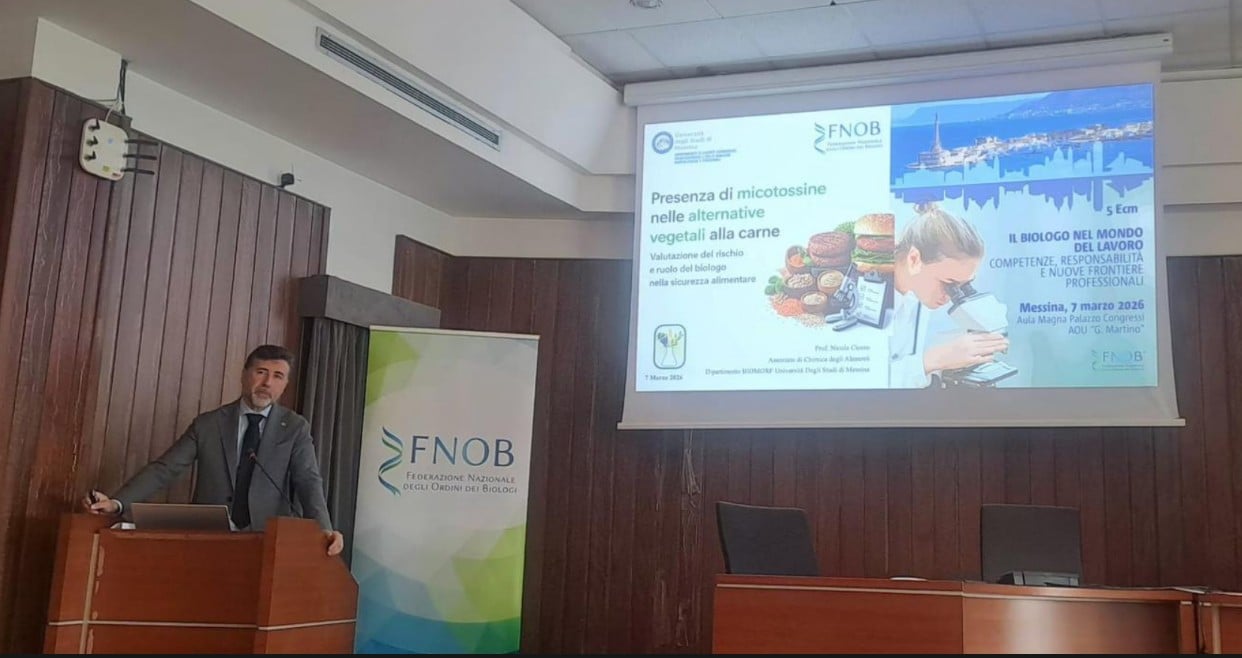
The initiative, carried out under the patronage of the National Federation of Orders of Biologists (FNOB) and organized by doctors Giada Lo Piano, Daniele Maisano and Paolo Todaro, represented an important moment of discussion between the academic world, institutions and professionals in the sector, with the aim of analyzing the evolution of the figure of the biologist and the employment prospects emerging in the various application areas of biology.
The proceedings were opened by institutional greetings from the Rector of the University of Messina, Prof. Giovanna Spatari, who underlined the strategic value of scientific training and dialogue between universities and professions to face contemporary challenges in the health, environmental and food sectors.
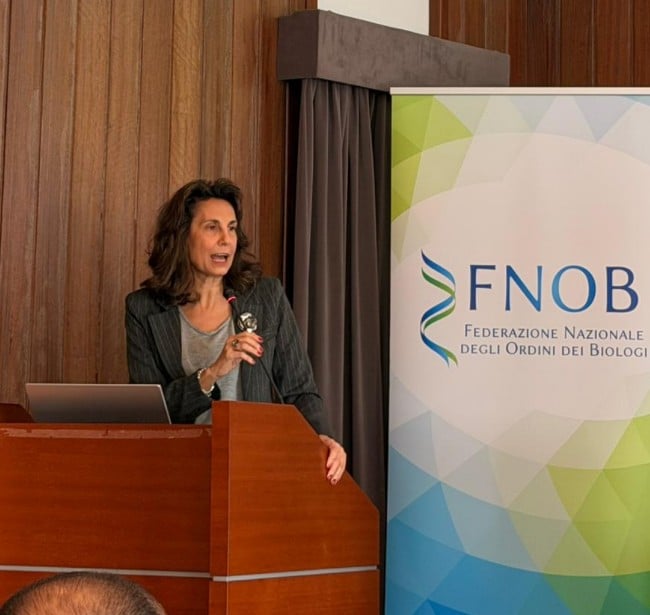
During the morning, there were interventions by teachers from the Universities of Messina and Catania who addressed highly topical issues.
The prof. Nicola Cicero, professor of Food Chemistry at the University of Messina, presented a report entitled “Presence of mycotoxins in plant-based alternatives to meat: occurrence, risk assessment and role of the biologist in food safety”, illustrating the potential risks linked to natural contaminants in plant-based products and the fundamental contribution of biologists in the evaluation of food safety and the protection of public health.
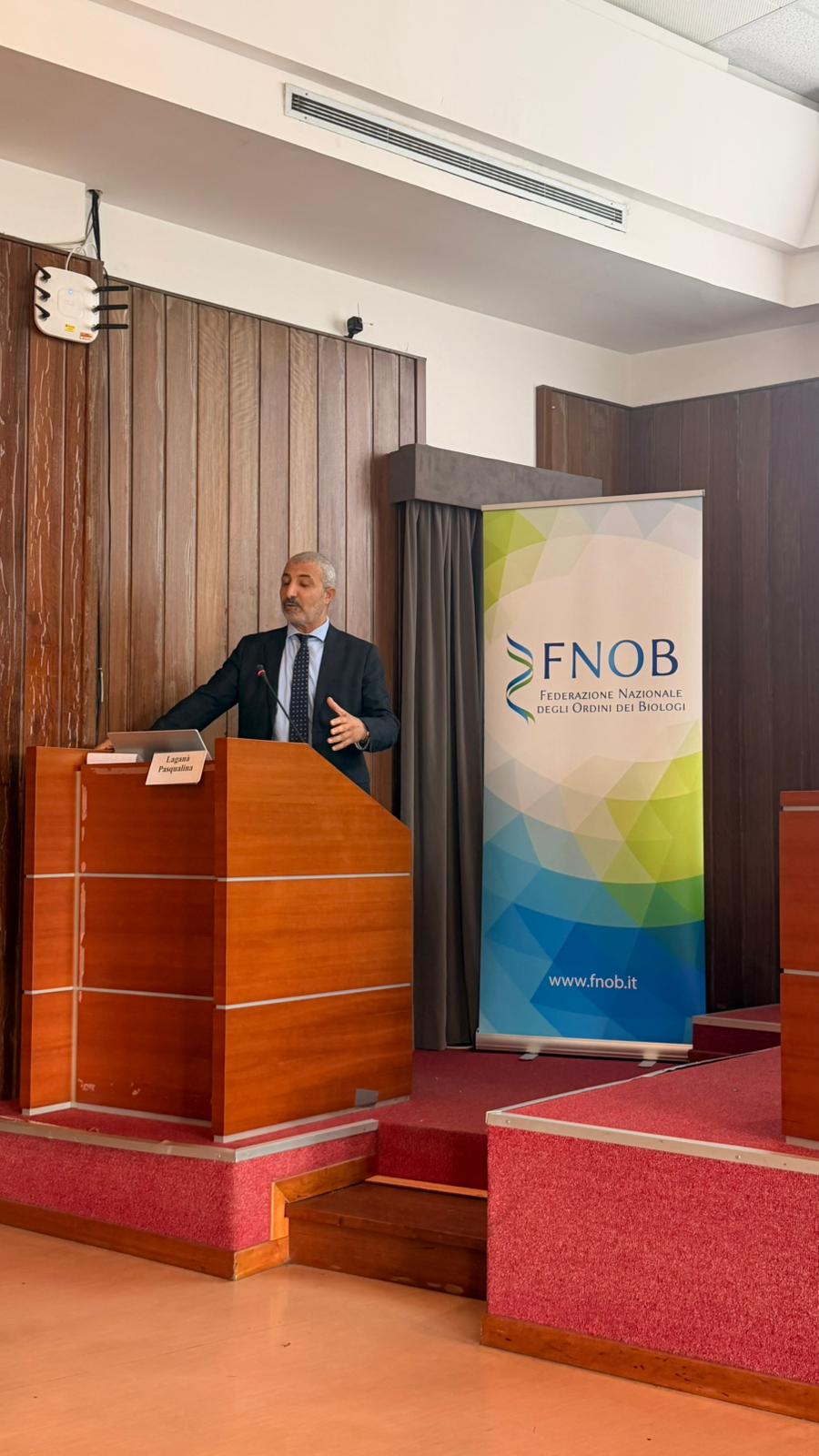
Prof. Pasqualina Laganà, from the University of Messina, addressed the topic of “Nutritional unsustainability and ecology of obesity”, analyzing the relationship between dietary models, sustainability and public health.
The prof. Mhammed Aguennouz, also from the University of Messina, illustrated the role of the biologist in advanced neuroscience, highlighting research perspectives and biomedical applications in a rapidly evolving sector.
Next, Prof. Salvatore Saccone of the University of Catania explored the issues of nutrigenetics and nutrigenomics, highlighting how the study of the interactions between genes and nutrition represents one of the pillars of personalized medicine of the future.
The speech of Senator Vincenzo D’Anna, president of the National Federation of Orders of Biologists, was particularly awaited, as he illustrated the new professional perspectives of the category, focusing on the updating of the skills recognized for biologists, on the new opportunities for nutritionists and environmentalists, on the revision of the access paths to the professional register and on the updates relating to state exams and training internships.
During his speech, President D’Anna also announced the possibility of starting a permanent training school on hygiene in Messina, to be created in synergy with the University of Messina, with the aim of strengthening the specialized training of biologists in the health and food safety fields.
The conference concluded with a moment of discussion between speakers and participants and with the final evaluation and delivery of certificates, confirming the interest and attention of the scientific and professional community towards the increasingly central role of the biologist in the scientific, health and environmental challenges of contemporary society.