

Add the Gazzetta del Sud as a source
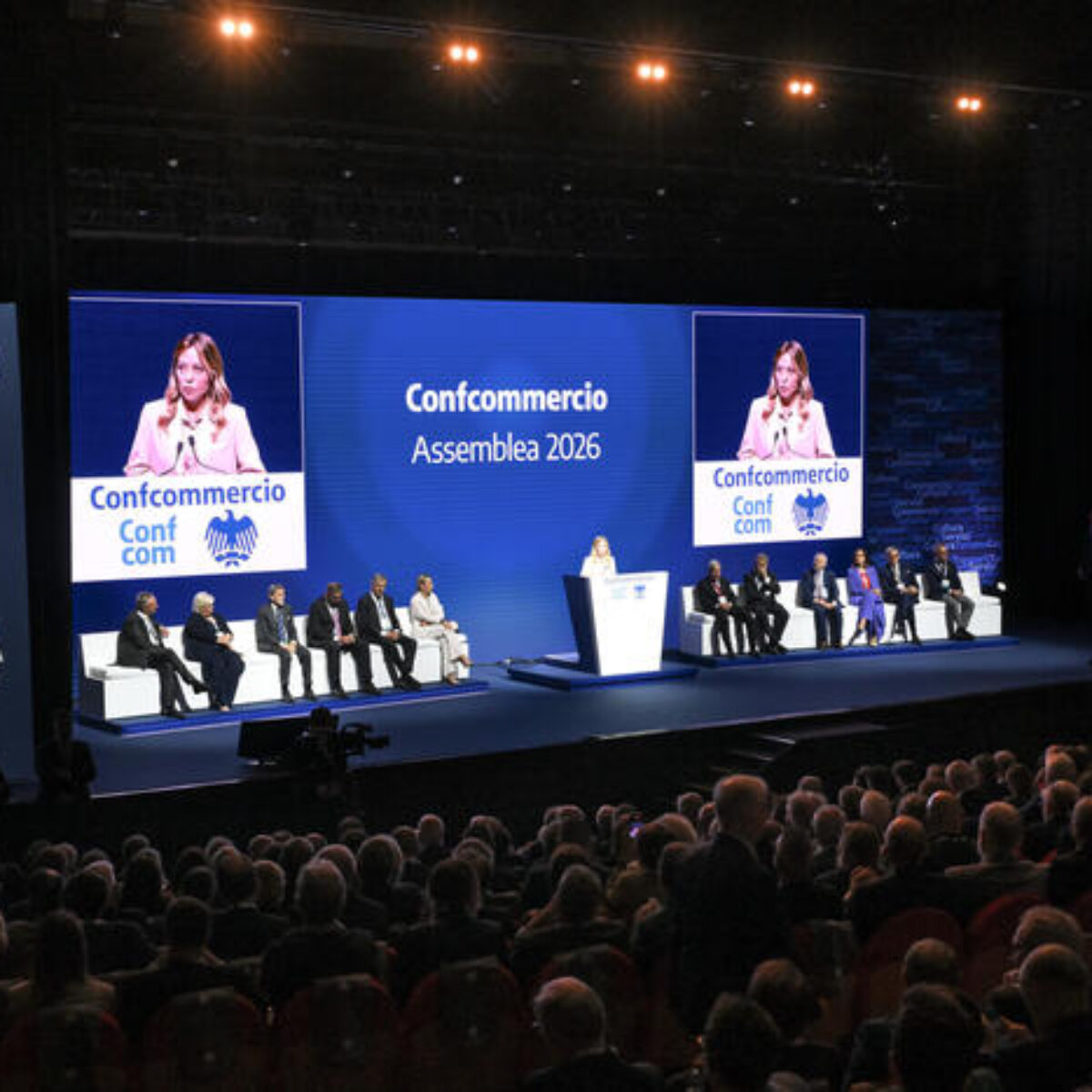
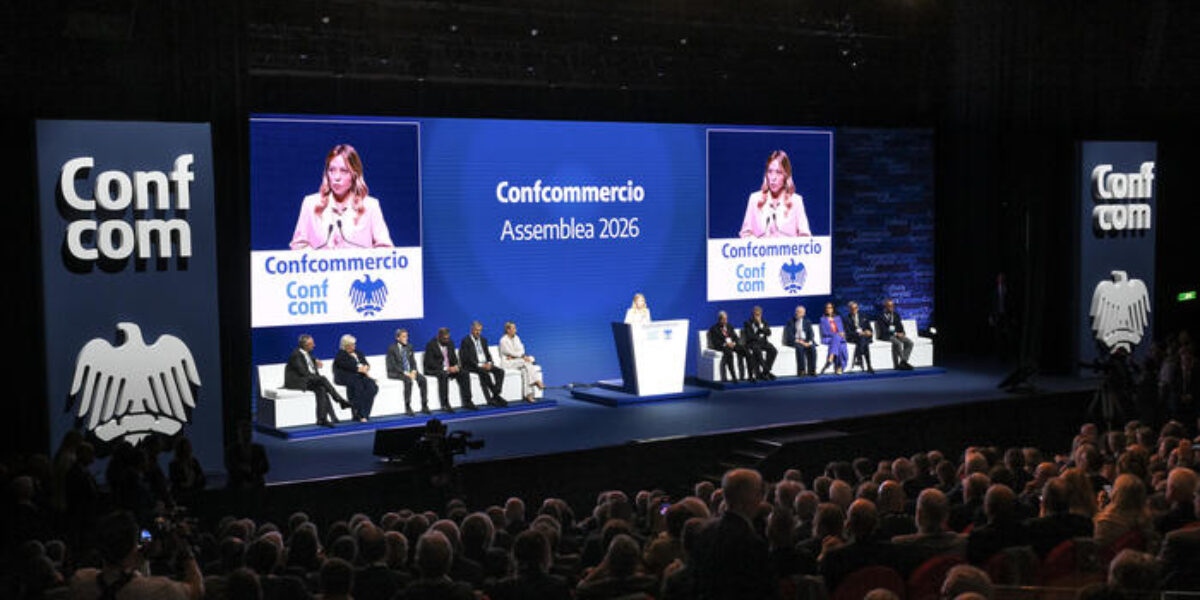
The Conciliation Auditorium in Rome hosts the General Assembly of Confcommercio. The appointment opened with the report of the president of Confcommercio, Carlo Sangalli, followed by the speech of the Prime Minister, Giorgia Meloni.
“This is not the banana republic, here the rules are respected, as President Sangalli recalled, there is no market without rules, there are no healthy businesses and there is no growth” said the Prime Minister in her speech to the assembly, underlining the measures launched by the government against ‘open and close’ activities.
“We don’t intend to stop, we want to do more to reduce the tax burden on the middle class”, added Meloni. “Others talk about taxing wealth, we work so that Italians can aspire to have wealth after decades of sacrifices” he added.
“We have an emergency called young generations, the ability to offer greater and further opportunities to the best energies we have, and on the other hand the need to reverse the demographic emergency, one of the biggest economic problems”, continued the prime minister in her speech to the assembly.
Confcommercio is “one of the pillars of the Italian system, one of the most identifying and dynamic engines of our nation’s economy”, he commented. “As President Sangalli recalled – he added – you are a people’s force, which arises from below”.
Sangalli’s speech: “Italy can do it but uncertainty remains”
In Italy “in general, there is uncertainty, but also a feeling of being able to do it”, Sangalli told the assembly, specifying that “we know well that Italy’s long-term growth is insufficient, and yet, despite everything, the fundamentals of the Italian economy remain comforting”.
According to Sangalli, there are positive signs, “but there are elements of weakness, such as the crisis of confidence among young people” and the low female participation in the world of work. According to Sangalli “energy generally remains a priority for our sector too, with particular attention to the issue of nuclear power which remains a decisive step”.
“On the subject of networks – he added – let’s think about the extreme difficulty of our transport companies on the Alpine passes, on the reform of the port system and on the costs of the ETS which are so penalizing for the motorways of the sea. Only from a European perspective, is it possible to face the acceleration of the great transitions. The environmental one with climate change”.
Italian cities “are constantly transforming, sometimes without an organic plan, and with “conflicting” risks”, indicated the president in his speech at the Confcommercio assembly, specifying that “on the one hand, just think of the entrepreneurial desertification, with the dramatic closure of over 156 thousand commercial establishments in the last 13 years”.
On the other hand, moreover, “phenomena of intensive exploitation of cities emerge such as indiscriminate short-term rental which penalizes hospitality businesses and the balance of times and places of community”https://gazzettadelsud.it/articoli/economia/2026/06/10/meloni-all assembly-di-confcommercio-litalia-non-e-la-repubblica-delle-banane-no-alla-patrimoniale-4e0cc0da-d971-4a60-b30c-1c8433925e02/.”To react – suggested the president of Confcommercio – it is essential to level the playing field: clear, stable, fair rules.”
Mattarella’s message: “The social partners contribute to social cohesion”
Italy finds itself in an “increasingly difficult and challenging international reality which requires the courage to make difficult choices”. This was stated by the President of the Republic Sergio Mattarella in the message sent to the Confcommercio assembly, underlining how “the Italian productive-entrepreneurial fabric is faced with complexities that require authentic dialogue between institutions and society, to promote a development model consistent with social and environmental sustainability criteria”.
“Special responsibilities – according to the head of state – call upon the social partners, who are primarily responsible, in the contractual dialogue, for regulating the labor market, to contribute, by adhering to the constitutional provisions, to the affirmation of social cohesion, with the elimination of those distortions and practices which translate into setbacks in the standards of protection for workers”.