

Add the Gazzetta del Sud as a source
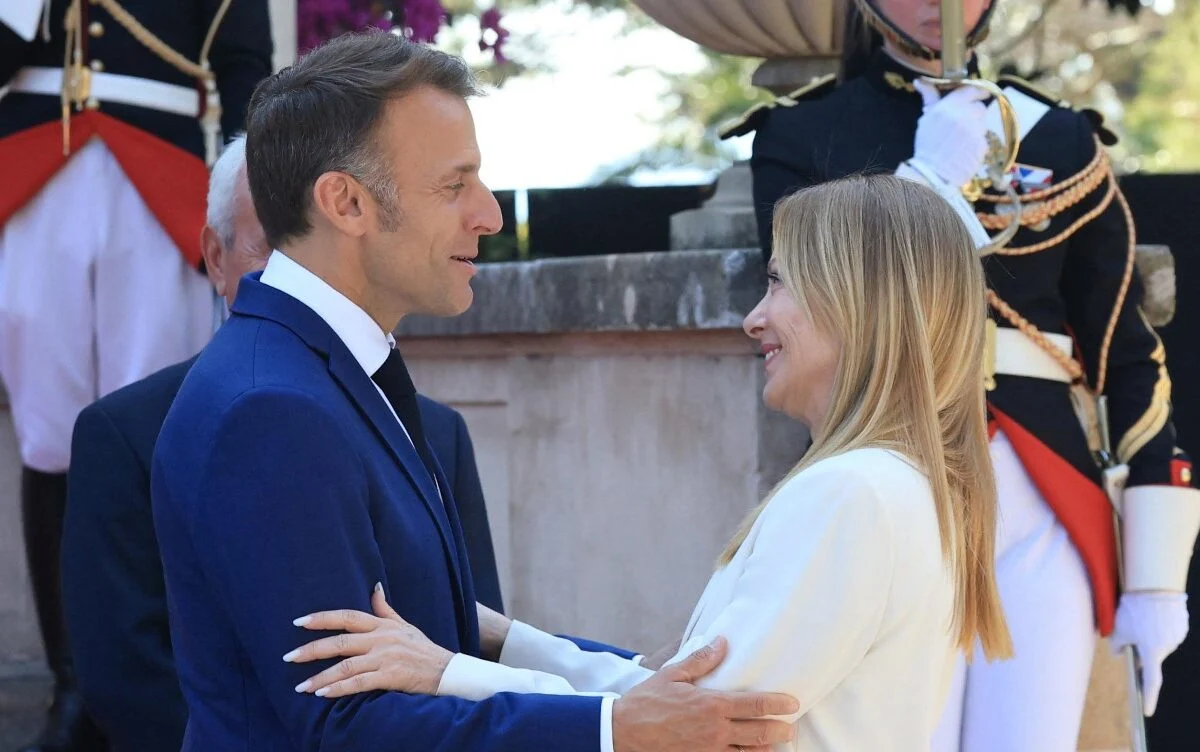
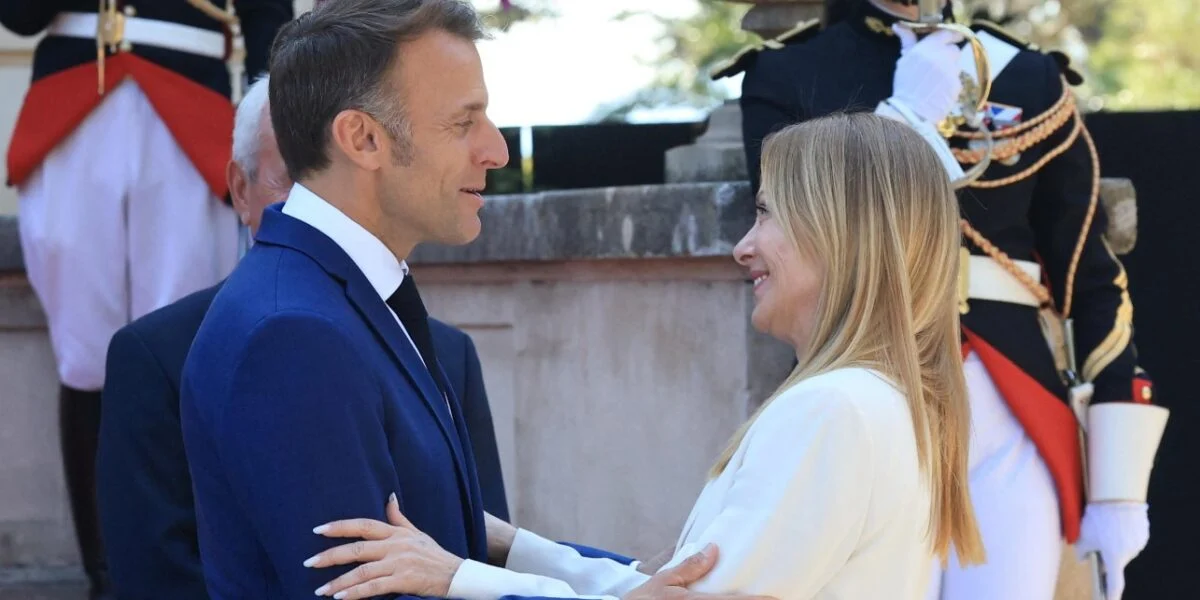
The Italy-France intergovernmental summit in Cap d’Antibes marks a tactical turning point in relations between Rome and Paris, redefining the perimeters of a convergence that the two leaders claim as structural. In the bilateral meeting that redefined the geopolitical priorities of the two countries, Prime Minister Giorgia Meloni and French President Emmanuel Macron recalibrated the specific weight of the two nations on the European and Western scene.
The Rome-Paris axis beyond the behind-the-scenes narrative
“Without Italy and France, Europe and the West would not be what they are: we are two great nations with converging interests,” Meloni said in a press conference, dismissing the rumors about alleged personal distances as a pure media distraction. A pragmatism fully shared by the Elysée. Macron has definitively put an end to the season of diplomatic coldness: «We all live under the same climate which is hot: there is no longer anything glacial. We defend the interests of our countries but in a respectful and committed way.” According to the French president, cross-border cooperation and alignment on strategic dossiers – from the European budget to security in the Strait of Hormuz, up to the posture on the Ukrainian conflict – demonstrate the solidity of the bilateral axis. Meloni herself confirmed the distinctly political nature of the relationship: «I confess that I also had a bit of fun seeing the background on our relationships. We are two people who defend their national interest, but who know how to work together. This requires frankness when you disagree and the ability to cooperate when you agree. Ours have been serious relationships between people who talk about politics.”
The Lebanon dossier: the post-Unifil coalition
The operational pivot of the meeting focuses on the Middle Eastern crisis, where Rome and Paris intend to exercise real joint direction. Faced with the deadline of the Unifil mission, set for the end of the year, the two governments decided to move in advance to avoid a vacuum of power and security on the ground. «Italy and France can make a difference regarding the crisis in Lebanon. We have decided to launch a coalition to support post-Unifil Lebanon, imagining an international conference soon.” — Giorgia Meloni The initiative aims to secure the stability of the area through international coordination that sees Europe at the forefront, capitalizing on the historical influence of France and the credibility of the Italian contingent in the field.
Sovereignty over the bases and frictions with NATO: the clarification on Iran
The most politically delicate passage of the press conference concerned the Italian posture with respect to the conflict in Iran and the use of military bases on national territory. Meloni shielded the actions of Defense Minister Guido Crosetto, rejecting any hypothesis of Rome’s direct involvement in kinetic operations.
The Italian positioning is detailed by the Prime Minister according to criteria of strict constitutional and parliamentary legality:
Nature of support: Italy has granted the use of its bases exclusively for logistical and technical activities of a non-kinetic nature.
Denial of exceptions: Faced with allied requests that went beyond this perimeter, the government denied authorization to use the infrastructure.
Washington’s confirmation: A line of caution which, as recalled by Meloni, explains the “repeated disappointment” of the US president and which Mark Rutte himself confirmed directly from the Oval Office.
The scolding of Mark Rutte
Precisely towards the Secretary General of NATO, Mark Rutte, Meloni reserved a clear course correction, criticizing a reading deemed too “enthusiastic” and imprecise of the authorizations granted by Rome. “In his enthusiastic reconstruction, the Secretary General put together things that are actually different from each other, confusing the type of authorized flights, and he himself then corrected and clarified”, declared the Prime Minister. Dismissing the exit of the allied summit as an “attempt to better prepare the next NATO summit”, Meloni sent a message of firmness to the Atlantic partners: “In any case I believe that we must be prudent when talking about these matters”.