

Add the Gazzetta del Sud as a source
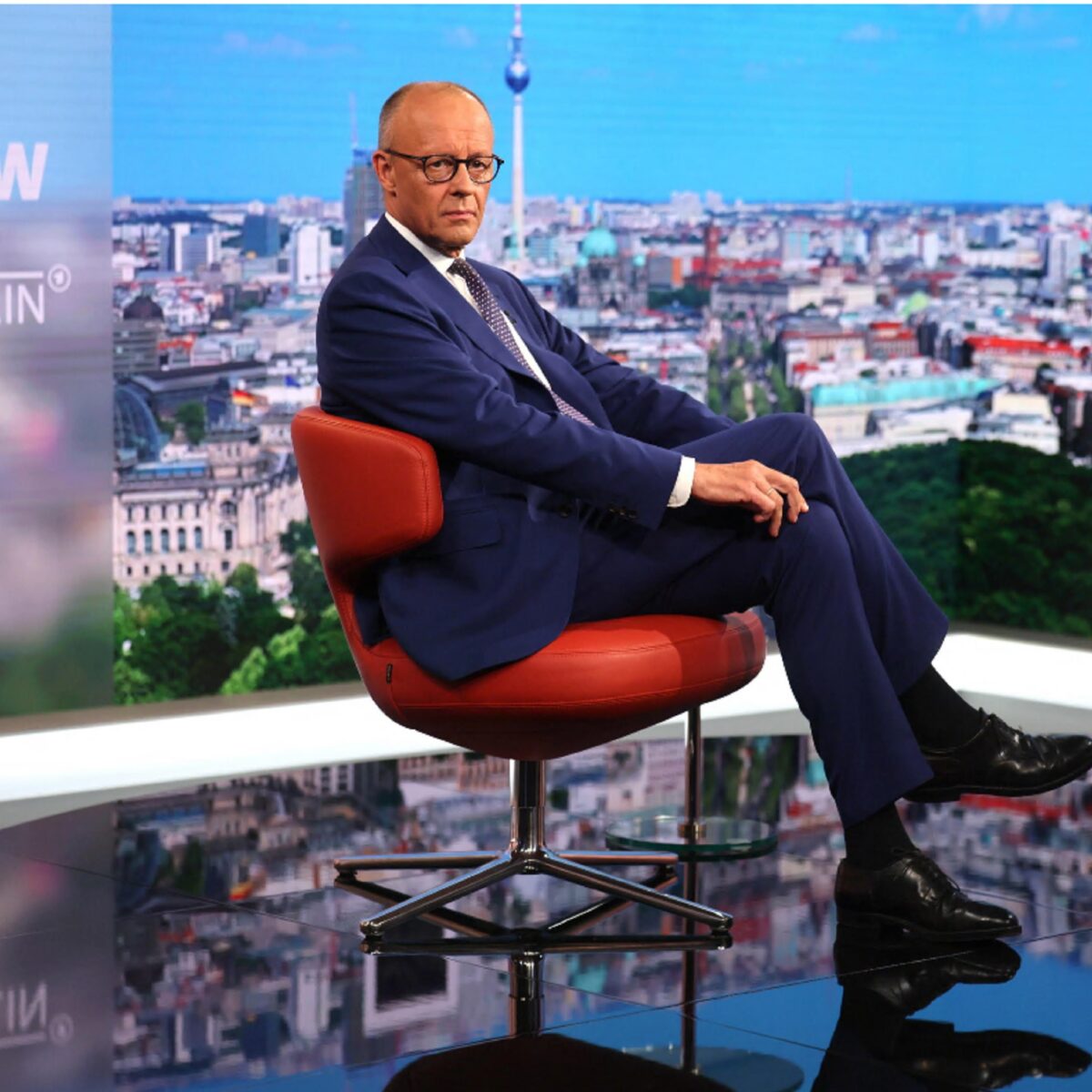
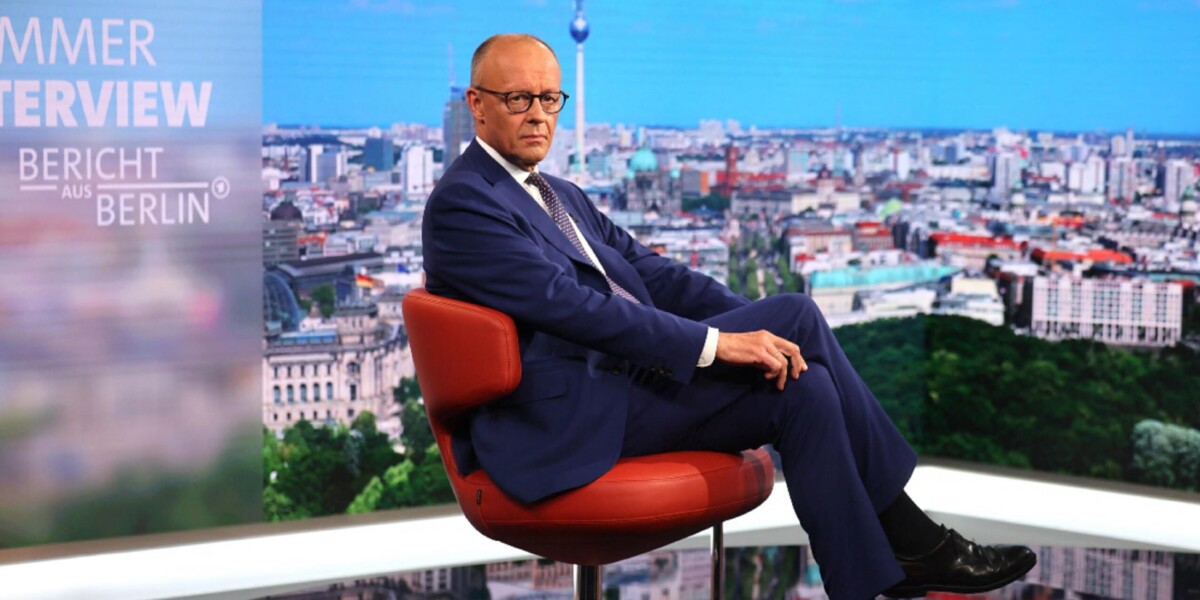
The tension between Berlin and Moscow, palpable for weeks, leads to what is now an open conflict. Germany now has evidence that the Russians were behind the Leipzig drone bomb attacks. And the government of Friedrich Merz announced a series of retaliatory measures: the closure of the consulate general in Bonn from September 18, the termination of the contract with the controversial Russian House of Berlin (believed to be a den of spies), the increase in pressure on the shadow fleet.
The threat from Moscow: «Devastating responses»
Soon, the reply from Sergey Lavrov’s spokeswoman: «We will react to all of Germany’s anti-Russian decisions», threatened Maria Zakharova: «And they will be devastating responses» in the case of «crazy anti-Russian adventures» in the Baltic. A warning directed not only to Berlin but to all of Europe and the Atlantic Alliance.
The solidarity of the EU and NATO
The harsh reaction of the EU and NATO alongside the Germans and against Moscow’s hybrid war suggests an unprecedented escalation. “We will respond,” promises Ursula von der Leyen, who suggests unprecedented actions. “Russian attempts to intimidate us, to undermine our unity and will to support Ukraine are in vain and will fail,” echoed Alliance Secretary General Mark Rutte. Both telephoned Merz to express that solidarity which also came from the words of Giorgia Meloni and Antonio Tajani: «In moments like this – said the Prime Minister – it is essential to remain steadfast, continue to work united and maintain a credible posture of deterrence to defend the safety of our citizens».
Drones over the Baltic and bombs in Brandenburg
That the threat does not only loom over Berlin was also demonstrated in the night between Monday and Tuesday: some drones triggered the alarm in Latvia and entered the skies of Estonia, with NATO fighters taking off. The last of the many episodes that covered the skies of half of Europe. But Germany “remains the daily target of a hybrid war”, stated Interior Minister Alexander Dobrindt in a statement with his foreign counterpart Johann Wadephul, who returned in a hurry from Algiers in the hours in which “several home-made unconventional explosive devices” were found in Brandenburg and which damaged a power line without however causing injuries or blackouts, as the Potsdam police confirmed to ANSA.
The three drones of Leipzig
The German reaction to the explosive-laden drones launched against Leipzig airport had been expected for days. On the night of August 4, a first flying object was found on the taxiway of the airport in the city of Saxony, next to some Ukrainian Antonovs, while a second collided with a DHL plane in flight, damaging its nose. The third drone, also packed with explosives, was identified ten days later on land in the neighboring Land. And after weeks of investigations, for the 007 and the German investigators there is no doubt: these are attempted attacks and the Russian services are undoubtedly behind them.
Disinformation and voting in the East
Furthermore, Moscow’s destabilization activity with espionage and sabotage actions in Germany is also becoming increasingly pressing on the political front, with disinformation campaigns in view of the elections in the east of the country: the first on Sunday in Saxony-Anhalt. Disinformation campaigns that spare – several observers point out – only the far-right AfD which triumphs in the polls heading towards an increasingly probable victory.
Zelensky: «Russian airspace is not safe»
Meanwhile, after yet another massacre in the Kiev region with at least 12 deaths due to Russian raids, Volodymyr Zelensky announced a de facto “closure” of Russian airspace: “The escalation cannot and will not remain confined to Ukrainian territory. Today we want to warn every airline using Russian airspace, every insurer and anyone still using Russia’s major airports: Russian airspace is becoming completely unsafe.” “There will be drones in Russian skies on a scale that needs to be taken into account,” the Ukrainian president added.