


Add the Gazzetta del Sud as a source
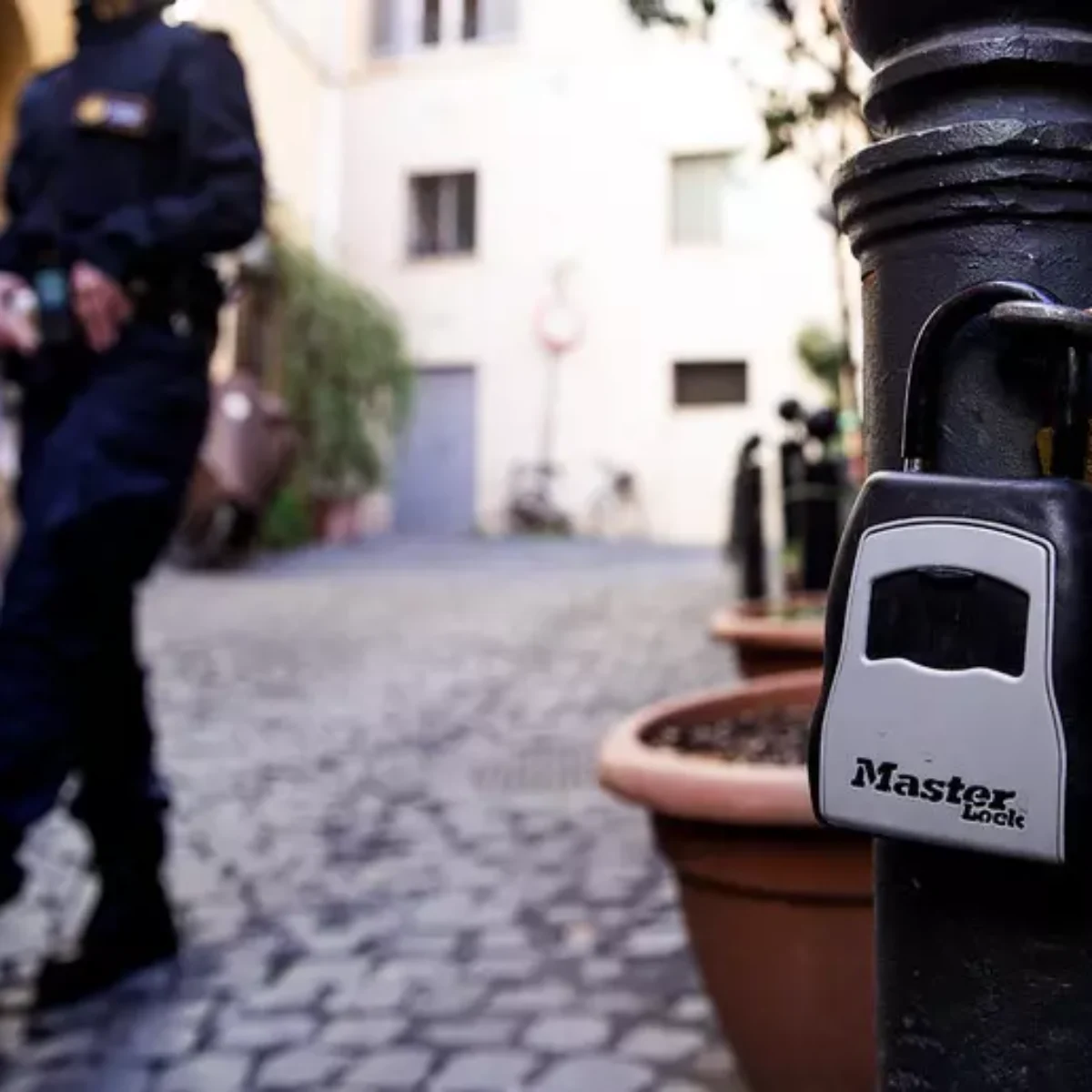
The long-awaited turning point from the EU Commission against the housing crisis has arrived, but there is already controversy over the new rules in European capitals.
In particular, the measures on short-term rentals are dividing. “They will be useful in many cities but we must admit that this is far from solving all our problems. Far from it”, underlined the EU Commissioner for Housing, Dan Jorgensen, recognizing the limits of the new regulation proposal presented by Palazzo Berlymont.
In fact, the only element introduced by the Affordable Housing Act is to give local authorities the possibility of defining an area under housing pressure, i.e. in which the selling prices of houses exceed eight times the annual disposable income per capita. In this case, local authorities will be able to introduce limits on rents for tourist rentals without incurring appeals for violation of internal market rules, such as the well-known Services Directive.
The text provides that above 10, the threshold is considered sufficiently high and significant that it is not necessary, in addition, to examine the last 10 years. The Affordable Housing Act introduces, for the first time, a common European framework for the evaluation of housing measures that impact the single market.
The decision whether to intervene and what measures to adopt lies with the competent authorities; housing policy choices remain a national, regional and local responsibility.
The issue of high rents and the right to housing had been one of the points on which the EU socialists had insisted in order to support a second mandate for Ursula von der Leyen at the European Commission. The socialist group had also requested and obtained a special commission on housing policies and initiated a broad discussion, also supported by the president of the European Council Antonio Costa, with an alliance of mayors.
Net of the other issues – Gaza, Green Deal, Climate – the housing dossier is the most politically spendable for the minority partner of the Ursula coalition. The college of commissioners has been divided on the dossier for a long time, with the EPP members who sit in the EU executive tempted to remove most of the measures initially envisaged. Jorgensen managed to save the rule on short-term rentals, while some indications are contained only at the level of recommendation, as housing is a matter of national competence.
However, the entire Italian centre-right has promised to fight in the European Parliament. FdI accused the Commission of “compressing the right to property” and invading national competences, with the risk of reducing supply, slowing down investments and making homes less accessible. Forza Italia asked to withdraw or rewrite the proposal while the League warned: ‘hands off the house, the right to property remains inviolable’.
The Democratic Party welcomed the proposal. Dario Nardella, who was the first in Italy as mayor of Florence to block new short-term tourist rentals in the UNESCO area, has invited the government to listen to the mayors and announces that in the European Parliament, work will be done “to ensure that this regulation is strengthened” with “more incisive tools against speculative income and social housing”. The M5s defined the text as “disappointing and unforgivable”: the only advancement would be the possible limits on tourist rentals, which however “risk remaining only on paper” because they are entrusted to the States.
“We are not at all against tourist rentals”, replied J›rgensen, recalling that the EU “is in the midst of a housing crisis” and that short-term rentals are “part of the problem in many city”https://gazzettadelsud.it/articoli/economia/2026/09/10/ecco-le-norme-ue-sugli-affitti-brevi-centrodestra-in-rivolta-268598f0-b086-4325-81b8-efd6fd0ddccf/.”We are not imposing obligations. The decision to intervene and the choice of measures to be adopted remain the exclusive responsibility of the competent authority”, specified Vice President Teresa Ribera.