

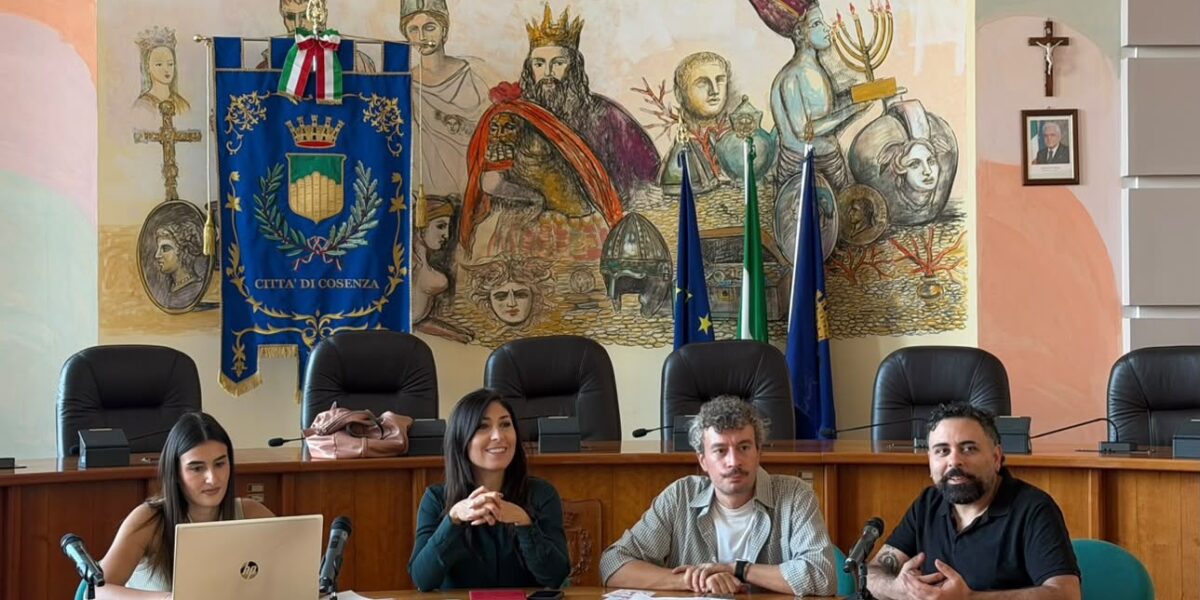
The Council Commission on Legality and Institutional Activities, chaired by councilor Chiara Penna, dedicated a session to the presentation of a popular initiative law proposal aimed at expanding access to medically assisted procreation (PMA).
The proposal, supported by president Chiara Penna and councilor Alimena, arises from the desire to promote an institutional discussion on a topic that directly concerns rights, freedom of choice and the possibility of building one’s own family project.
Councilor Alimena intervened during the proceedings, underlining the importance of the initiative and, more generally, of the work carried out by the Legality and Institutional Activities Commission, highlighting the value of discussion with associations and civil society. The councilor also drew attention to the importance of policies capable of also impacting the issue of birth rates.
«The Legality Commission – underlined Alimena – is carrying out important work, addressing issues that closely concern people’s lives and creating opportunities for discussion with associative realities. This is the role that an institutional commission must have: listening, investigating and contributing to building a city that is increasingly attentive to rights.”
The proposed amendment to law 40
The initiative was illustrated in detail by Massimiliano Benincasa, representing the Certi Diritti association, who presented the contents of the proposal to amend law no. 40 of 2004. The initiative aims, in particular, to extend access to PMA also to single women and female couples. To start the legislative process, the collection of 50,000 signatures is expected.
President Chiara Penna highlighted how the Commission’s activity continues in the direction of constant dialogue with the world of associations and on the issues of protection of rights, equal opportunities and the fight against all forms of discrimination.
The commitment of the Municipality was also remembered, having entered, thanks to the work of the Commission, into the RE.A.DY network. The network offers local public administrations a space for sharing and exchanging good practices aimed at protecting the human rights of LGBT people and promoting a social culture of respect and valorization of differences.