

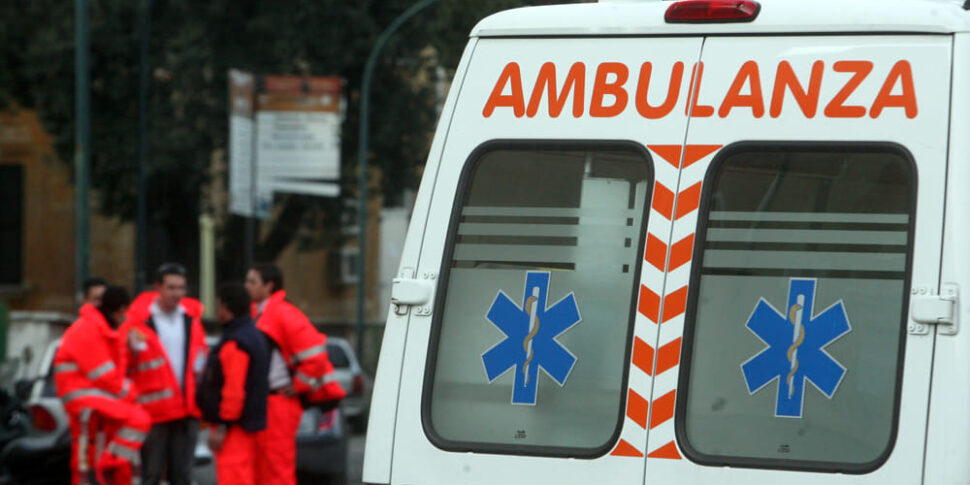
Out of all 110 Italian healthcare companies, 41 have waiting times exceeding 20 minutes for an ambulance. Agenas indicates this in the latest report on the performance of local health authorities and hospitals, anticipated by «la Repubblica». According to the guidelines, the national target is 18 minutes. «The ASL of Vibo Valentia has the black jersey, with a dramatic average of 35 minutes. On the half hour also in the other Calabrian companies. Oristano is 26 minutes away, Messina 25.” The local health authorities with the best times are Giuliano Isontina (Trieste and Gorizia), with 12 minutes, followed by Piacenza, Chiavari, Reggio Emilia, Parma, Genoa, with 13 minutes.
Breast screening: Catanzaro and Cosenza next
Screening and territory are improving, but waiting times for interventions and emergency rooms remain critical. It is the new photograph taken by Agenas in the new edition of the national system for evaluating the performance of health and hospital companies anticipated by La Stampa and then published by Agenas on its website. The data speaks of an area in recovery but hospitals in difficulty regarding accessibility, with waiting times and stays in the emergency room still far from standards. The percentage of accesses with a stay of more than 8 hours confirms a suffering in particular for the Tor Vergata Polyclinic in Rome, the Sant’Andrea also in Rome and the Aou in Cagliari where over 1 in 5 patients remain waiting for more than 8 hours. As regards inappropriate access for patients over 75 to the emergency room where the worst performances (1 access in 4) are recorded in the Azienda delle Dolomiti, in the Ulss Polesana and in the Azienda Scaligera. Good performances for the Parma Local Health Authority and the Roman Local Health Authorities. On the contrary, Dulbecco of Catanzaro, San Carlo of Potenza and that of Perugia stand out for their efficiency. Screening is also recovering in the South: breast screening is at the top in Asti ASL with 82.5% followed by Ferrara ASL and Trento ASL. The worst data in the local health authorities of Bari, Catanzaro and Cosenza. For cervical screening, the ASL of Imola is in the lead, followed by Modena and Brianza. Worse data for the local health authorities of Cosenza, Sulcis and Alto Adige. On colon screening, better data for the ASL of Aosta, followed by Polesana and Alessandria. Worse performance for the ASL of Bari, Cosenza and Foggia.