

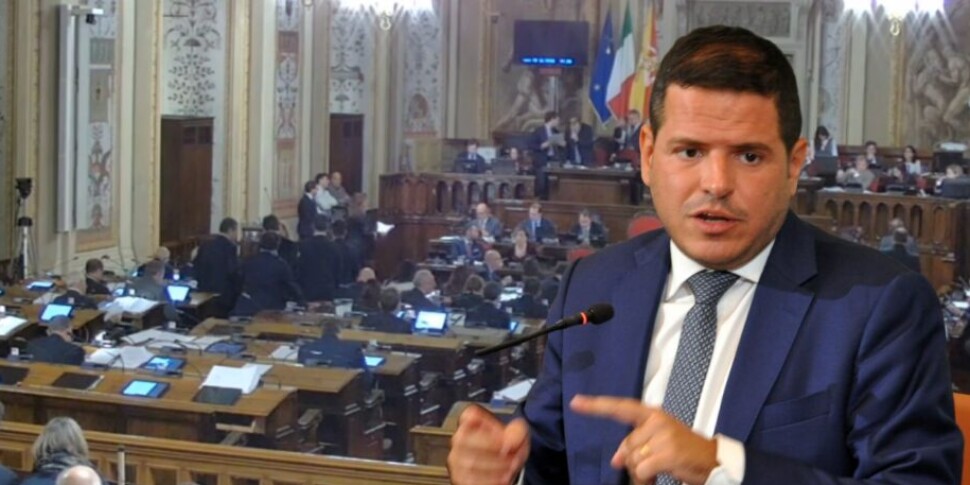
About fifteen articles to approve, then the final vote on the 2026-28 stability package. No excerpt, though. Because, by parliamentary regulation, it had to be done at the beginning and not now.
A quarter of the text was thus struck out, to avoid further rewriting and secret vote ambushes while respecting the timetable dictated by Palazzo d’Orleans, but all with balances substantially unchanged, with more than a billion euros.
It is the Budget in smart format outlined yesterday at Ars, with an initial acceleration in the afternoon followed by a long suspension to try to find a balance with the opposition and within the majority, and then, upon resumption, by another step on the pedal, even more decisive, at least in intent, with a good part of the measures dear to governor Schifani effectively emerging unscathed.
Yet, after the day of passion recorded last Thursday and two knockouts suffered by the executive, the process had started uphill yesterday too, this time due to a discussion hinged by the opposition on the highly contested article which transfers 19 million euros to Siciliacque to cover the Municipalities’ debts on water bills: according to the Pd and M5S, a loan that is too heavy to repay in ten years given the economic suffering of the local authorities. From there, the rumors that a reduction of the bill was probable began to gain momentum, until the president of Sala d’Ercole Galvagno announced the deletion, with around fifty provisions skipped, even if technically we cannot speak of removal, which, by regulation, had to be done at the beginning of the work. The result, however, is the same. Too many 134 articles came out of the Budget commission compared to the 28 transmitted by the Schifani government, and so, too, all the regulatory provisions, but also the territorial ones, which dispense funding to some Municipalities, the object of the desire of some deputies. All material which, as has already happened in the past, will end up in a report linked to the Budget, to be presented again in the chamber next year, with the “hope” that some parliamentarians will understand how “some measures can be postponed to January”, declared Galvagno himself between one round and another.
The full article is available in the print and digital editions