

The conflict in the Middle East continues to put financial markets in check, which move in uncertainty. In Europe, the stock markets recorded a new decline, smaller than on Monday and Tuesday, but still a sign that higher energy costs are fueling inflationary expectations. Milan leaves 1.61% on the ground as does Frankfurt while Paris loses 1.49% and London 1.45%. Yet the day didn’t start off badly with the rebound in the Asian markets.
An enthusiasm that did not last long at least in Europe and, even less so, in the United States with Wall Street immediately heavy, «Europe’s energy sources are more diversified compared to the beginning of Russia’s war in Ukraine, while inflation was close to the ECB’s target of 1.9% in February 2026», summarizes in a Scope rating report. In this context, gas prices are unlikely to return to their previous high levels in 2022, when they averaged 133 euros.
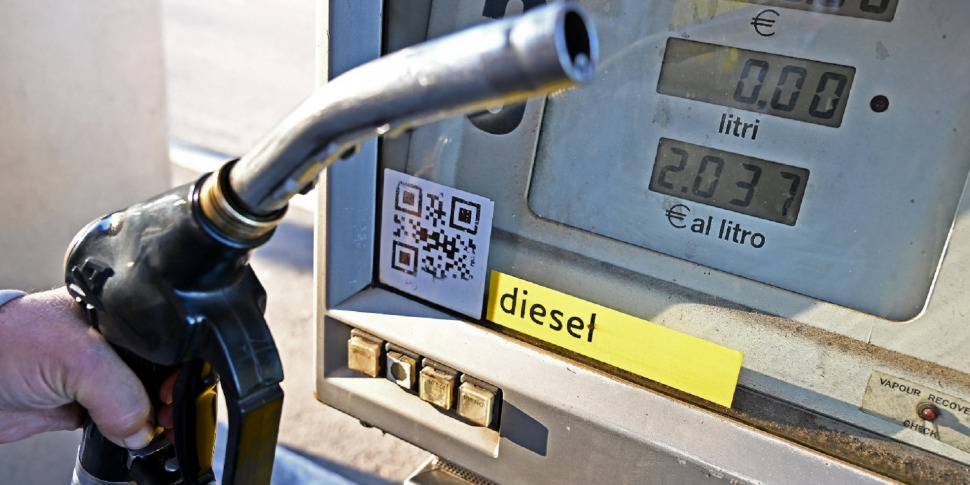
However, the persistence of high gas prices, now at 50 euros per megawatt hour, and oil which is around 85 dollars a barrel with Brent, “could still – according to analysts – have macroeconomic implications”. One above all is the increase in prices of consumer goods and services with the fall in purchasing power. Yet another sell-off on the price lists is also a consequence of this. And among investors, in consideration of the fear of inflation, the belief in a tightening of monetary policy by central banks is increasingly taking shape. The first alert came from the rise in government bond yields with the 10-year BTP rising by 13 basis points, almost to 3.56%. The French Oat was not far behind at 3.46% (+12 basis points) as was the German bund at 2.83% (+9 basis points)