

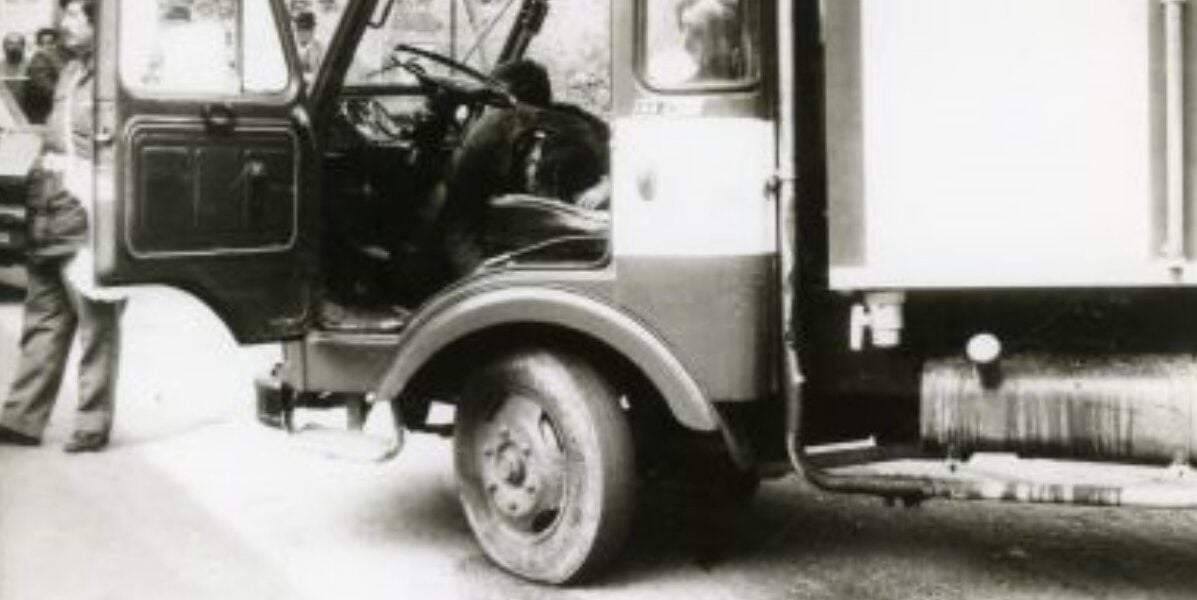
35 years after the tragic double murder of Pasquale Cristiano and Francesco Tramonte, which occurred on 24 May 1991 in Sambiase, a light of hope has been rekindled for the families of the victims, who have never stopped demanding justice and truth, thanks to the decision of the Anti-Mafia District Directorate of Catanzaro, under the leadership of Salvatore Curcio, to officially reopen the file to shed light on a crime that occurred in a context of violent disputes between criminal groups for control of the waste collection service, at the time the subject of a controversial privatization and opaque administrative choices.
Doubts about the political management of that period had already been raised in the past, both by the Court of Assizes of Catanzaro – which in 1993, while acquitting the only accused Agostino Isabella, forcefully highlighted how the dynamics of the contract had enticed and pitted the gangs against each other – and by the accounting judiciary, called to scrutinize the actions of the municipal administrators of the time. It all began on 23 August 1988, when the municipal council, through resolution no. 1750, approved the specifications for the contract for the municipal solid waste collection and transport service, allocating 220 million lire for a two-month period, justifying this outsourcing with the insufficiency of municipal structures and with the legal prohibitions that prevented new hires; yet, this narrative clashed with the reality of the facts, given that the Municipality had 14 vehicles and 49 workers at its disposal at that time, of which 39 were already suitable for the task, while the Cise company, which won the tender after the exclusion of other competitors due to formal defects, managed to manage the task with only 15 workers and making use, for the first assignment, of means provided by the Municipality. After the conclusion of the contract with Cise on 31 March 1990, the Municipality resumed direct management for six months, and then entrusted the service again, until 15 September 1991, to Sepi, a company born from the transformation of the previous Cise, with the use of a mixed workforce of private and municipal workers.
Now, decades later, the DDA is reopening the case, to try to identify the person or persons responsible for that double crime.