

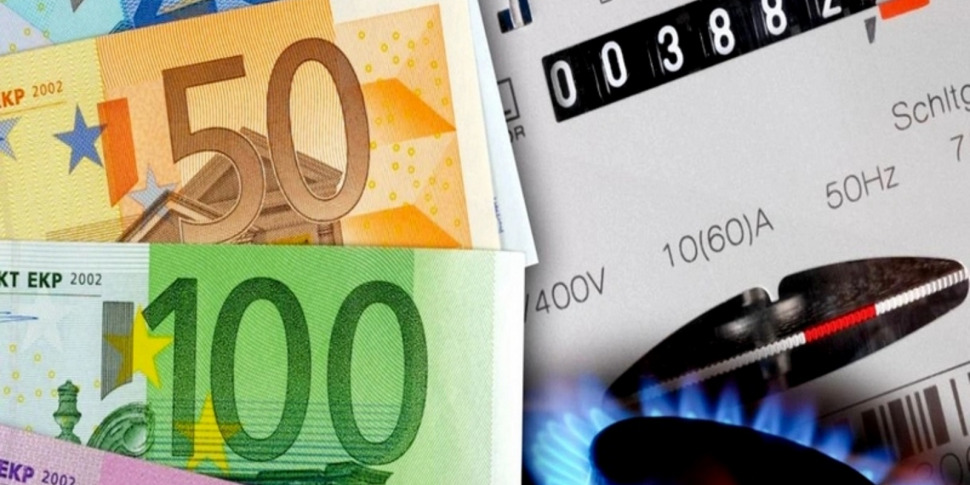
A country in debt and a region on its knees. The energy crisis is like a malignant fever that threatens businesses on a daily basis. A disease that weakens the already fragile immune system of a front-line productive tissue. According to the Sdi Confcommercio Study Center, in Calabria the bill risks being particularly high, because it arrives in the folds of a regional economy in which trade and tourism are largely the expression of micro and small businesses, with often reduced margins and a limited capacity to absorb new increases in costs.
To better understand the scale of the problem we need to start from the prices of electricity on the market. According to the latest analysis by Confcommercio, in September, the single national electricity price increased by 73.3% compared to the 2025 average and by 271.1% compared to pre-pandemic levels. The gap with the main European markets also remains high and risks creating gaps within the Eurozone: the Italian price is 65.3 euros per megawatt hour higher than Germany, 67.2 euros higher than Spain and 69.4 euros higher than France.
A dynamic that spills toxins on the tertiary sector. Shops, bars, restaurants, hotels and large-scale retail trade use energy in a structural way. Refrigeration, lighting, air conditioning, kitchens and electrical equipment are an integral part of operating costs. At a national level, Confcommercio estimates an increase of more than one billion euros on electricity bills in these sectors for the second half of 2026. In Calabria the size of the problem is measured, first of all, in the consistency of the entrepreneurial fabric. As of May 31, 2026, approximately 155,825 companies were active. Trade represents 28.9% of the total, with around 45 thousand activities, but at the same time records a contraction of 3.7% on an annual basis. The catering sector exceeds 11 thousand businesses, while the hotel sector has around 850 structures.
The full article is available in the print and digital editions