

Google Discover

Preferred Sources
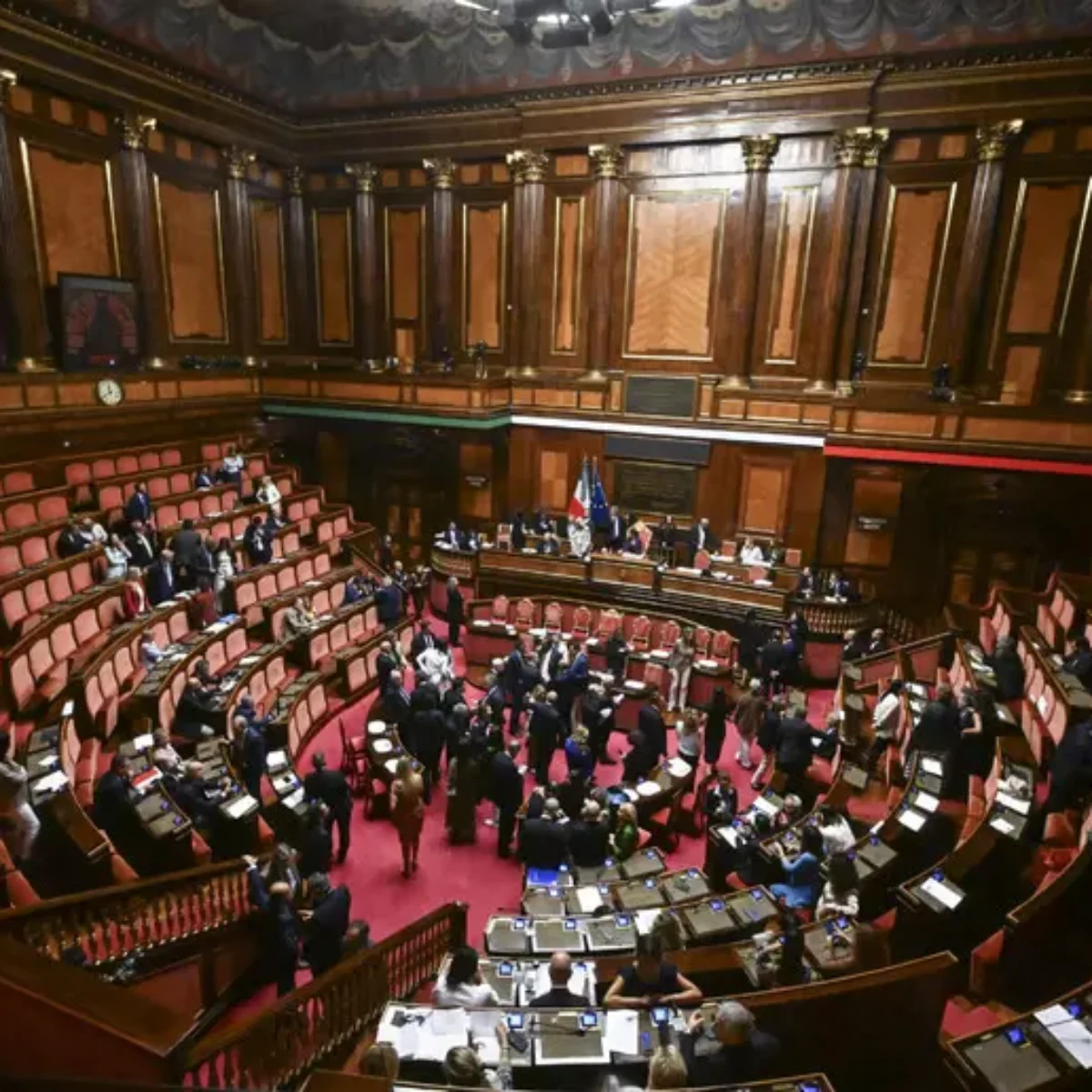
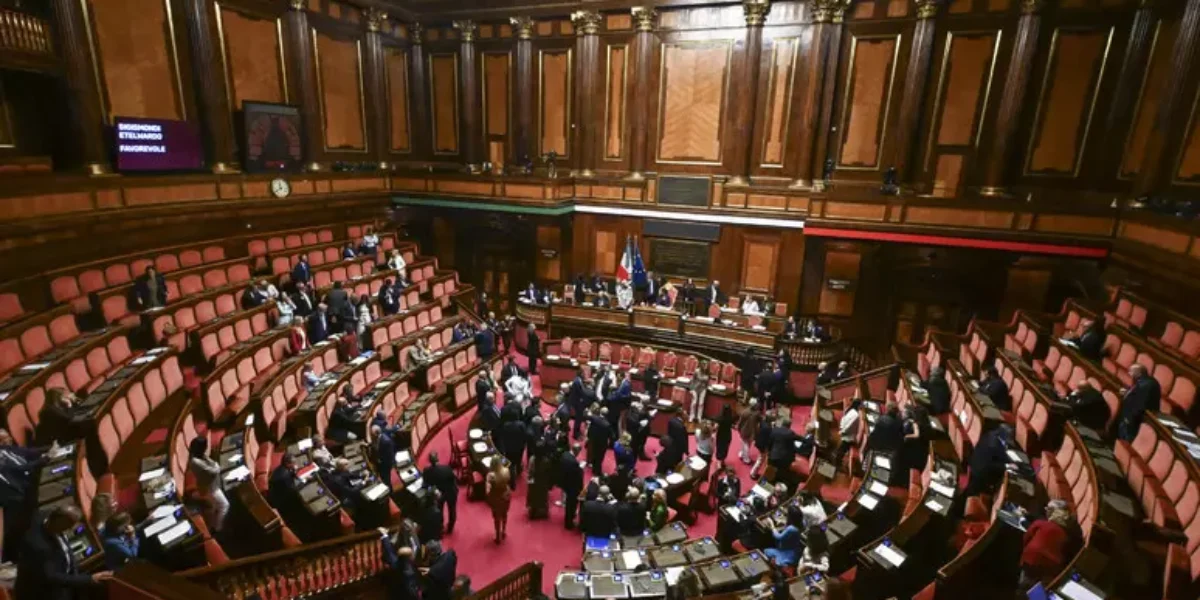
The Senate chamber unanimously and definitively approved the new law on cinema, collecting 123 votes in favor followed by long applause. The text, already voted by the Chamber in September, introduces an organic and structural reform of the national cinematographic and audiovisual sector. Present to follow the historic vote from the stands were the director Pupi Avati – considered the “father” of the measure – together with his brother and screenwriter Antonio, and the secretary of the Democratic Party Elly Schlein, the first signatory of the bill.
The key points of the reform
Protection and Development: Recognizes cinema and audiovisual as pillars of the national cultural heritage, promoting regulatory stability, industrial sustainability and pluralism.
Artificial Intelligence: Introduces the commitment to promote the responsible use of AI in the sector, guaranteeing transparency towards the public and the protection of the rights of authors and performers.
The Cinema and Audiovisual Forum – Consultation Body: Establishes a permanent body for analysis, participation and strategic support for the Ministry of Culture and for the new Agency, replacing the previous Superior Council of Cinema. Composition: It is made up of 16 members in total (8 high-profile experts, some of whom were selected via public notice, and 8 representatives designated by trade associations, including authors, exhibitors, platforms and the videogame sector).
The Agency for Cinema and Audiovisual – New Operational Body: Starting from 1 January 2028, a non-economic public body based in Rome will be created, with autonomy and supervised by the MiC, to which the management and implementation functions previously held by the General Cinema and Audiovisual Directorate of the Ministry are transferred. Main tasks: Management of incentives, coordination of regional Film Commissions, internationalization of companies, systematic collection of economic and industrial data and attraction of foreign productions.
Delegation to the Government for Reform and Reorganization – Multi-year Planning: Delegates the Executive to adopt legislative decrees (within 24 months) to introduce three-year planning for the sector, guaranteeing certainty of times and resources for operators.
Cinemas and Film Tourism: Provides a national plan for the reopening and regeneration of cinema theaters (with particular attention to historic and arthouse cinemas) and the simplification of regulations on film tourism.
Extension to the Videogame Sector: Extends the lines of support and measures to enhance cultural identity to the videogame industry as well, aiming to attract foreign investments in the multimedia and interactive sector.
Commission for the evaluation of cinematographic and audiovisual works and projects for the management of funding and the selection of projects. The Commission is established directly at the new Agency for cinema and audiovisual. It formally takes over the functions that were previously assigned to the individual evaluation commissions provided for by articles 26 and 27 of law no. 220/2016 (relating to selective contributions and promotional activities). Composition: It is made up of twenty experts with proven qualifications and professional experience in the cinema and audiovisual sector. Evaluation Criteria: The Commission evaluates the projects based on the artistic quality and cultural value of the work to be created. As part of the preliminary work, it has the right to convene and hold hearings with the subjects who have applied for access to contributions. Duration and Meetings: The members remain in office for one year and can resubmit their candidature only three years after the termination of their last role. The Commission meets at least every two months to carry out its operations. Transparency and Incompatibility: Upon taking office, members must declare the absence of situations of incompatibility based on current legislation, thus guaranteeing transparency and impartiality in the allocation of public funds.
Furthermore, the Government is delegated to adopt, as part of the reform, legislative decrees aimed at:
Reform of the Discontinuity Allowance: Redefining and optimizing the regulation of the structural discontinuity allowance for entertainment workers, ensuring greater adherence to the real employment dynamics of the sector.
Reorganization of Social Safety Net: Rationalize category-specific protections and income support measures, adapting them to the intermittent and flexible nature of artistic, technical and creative professions. Support for Conditions of Fragility: Introduce targeted measures of protection and economic support for entertainment workers who find themselves in situations of particular vulnerability or socio-economic fragility.