

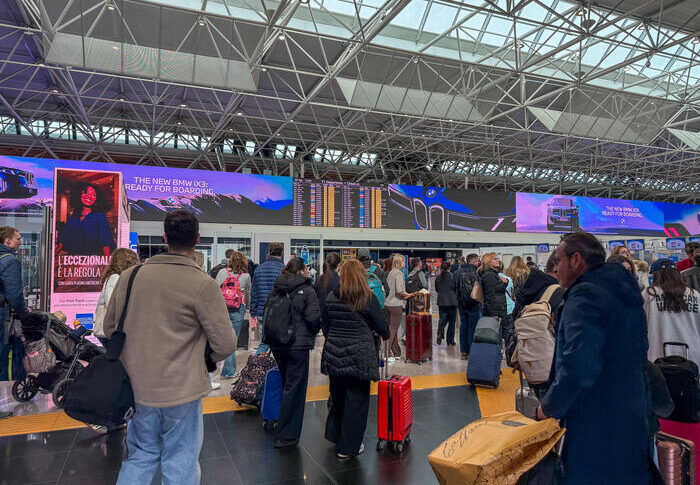
European airports risk a “systemic” shortage of jet fuel if the Strait of Hormuz is not fully reopened within three weeks.
ACI Europe, which represents EU airports, said jet fuel reserves were running out as “the impact of military activities” was further straining supplies. This was reported by the Financial Times, which viewed a letter sent by the association to the European Transport Commissioner Apostolos Tzitzikostas.
In the letter, Tzitzikostas was warned about the “growing concerns of the airport sector regarding the availability of jet fuel, as well as the need for monitoring and proactive intervention by the EU”.
“If transit through the Strait of Hormuz does not resume in a significant and stable way within the next three weeks, systemic jet fuel shortages are set to become a reality for the EU,” it said, adding that the approaching peak summer season, “when air transport fuels the entire tourism ecosystem on which many (EU) economies rely,” has intensified these concerns. Some Asian countries, such as Vietnam, have started rationing jet fuel because of shortages, but Europe has so far not seen widespread shortages, although fuel prices have doubled and airlines have warned of the possibility of cancellations.
The IEA: “Global food crisis at risk”
The world is experiencing the worst energy crisis in history. This was stated by IEA president Fatih Birol in an interview with Spiegel. Asked whether the situation will improve in light of the truce in Iran, he replies: “I would like to say yes, but prices will remain high and volatile for some time to come. We are experiencing the most acute energy crisis in world history. Disruptions in the production and supply of oil, natural gas and products such as fuel are more serious than those recorded in the three previous energy crises combined,” he added, referring to the oil crisis of the 1970s and the gas crisis of 2022.
Birol underlines that at the moment “other fundamental products from the Gulf states are missing, in particular fertilisers. And this could risk a global food crisis”, he added. “The fate of the world economy depends precisely on the Strait of Hormuz.”