Salvino Nucera composes in Greek, the Hellenic idiom that still resists in Calabria. In Locri his verses were pronounced aloud by the Hellenophone Association «Jalò tu Vua», sound proof of a relationship with Greece that has never been interrupted. The reading is part of the program of the third edition of MitiCu! Festival of Greek Myth and Culture, supported by Gal Terre Locridee, which will end tomorrow.
The theme chosen this year is the sea, in all its forms: route traveled by men and gods, political frontier, religious matter, philosophical question. There are the waters crossed by Odysseus and the Argonauts, with their series of storms, shipwrecks and landings. There is the Mediterranean of today, where migration, climate crises and wars weigh heavily, together with the demand for new responsibilities.
It opened with a choral performance that anticipated the themes of the following days. For Classici Contro, Filippomaria Pontani and Silvia Bigai worked with the students of the Locri High School Center on a montage of authors who were distant from each other: Alvaro next to Seferis, Homer next to Pasolini, Aeschylus next to Seneca. The journey started from marine vocabulary and arrived at “xenía”, the ancient practice of hospitality towards strangers, with Odysseus and Medea as guides. Maddalena Giovannelli then dealt with today’s Odysseys, and Pontani himself was responsible for the commented reading of some Homeric passages.
Medea appears twice. Gianfranco Adornato and Maurizio Paoletti reconstruct the historical story and the depictions; i Sacchi di Sabbia brought her back on stage with the Argonautiche by Apollonio Rodio, directed by Giovanni Guerrieri and interpreted by Silvio Castiglioni, in a comparison with the Greek scholar Francesco Morosi and Cristina Pace. The interventions of Antonella Bellantuono, Carmelo Nicolò Benvenuto, Francesco Massa and Arianna Rotondo were dedicated to the Mediterranean of ancient religions. The performative side is completed with Achille Fulfaro and the TRA.tTe collective, who created a theater workshop and the show «Pangea – When the sea arrives».
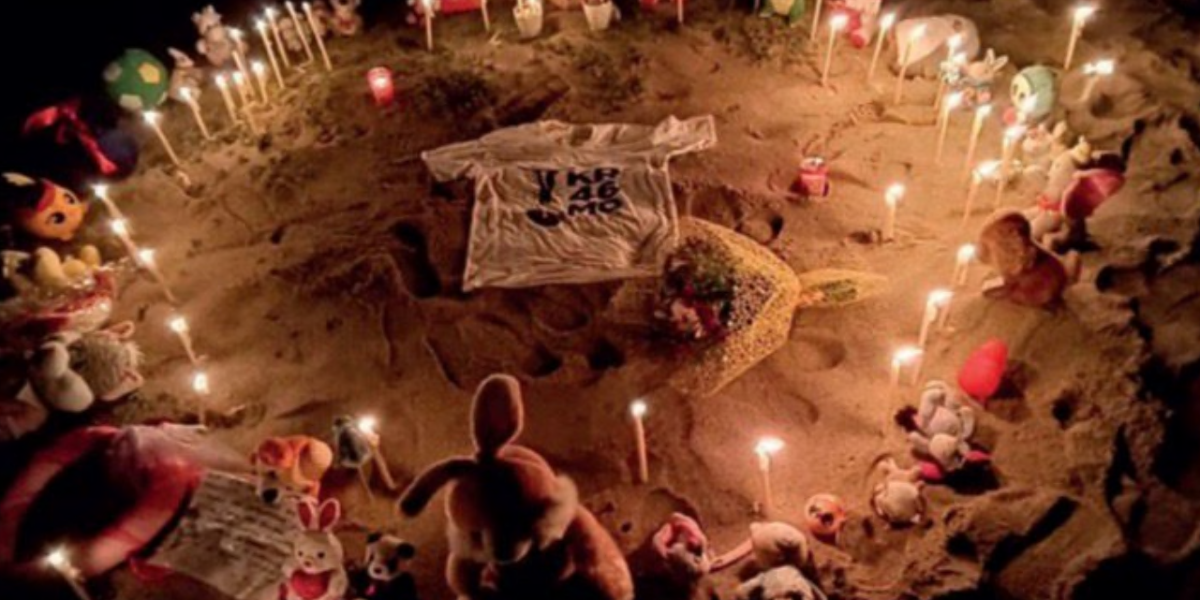
The final part looks at the news. Gabriele Montalbano, Vincenzo Romania and Vittorio Zito tackle the migratory phenomenon with the tools of history and sociology, to the point of measuring themselves with what happens in the territory, in a discussion on reception and the relationship with those arriving from outside. «Cutro, 94…and more» will be presented tomorrow by director Angelo Resta together with Unical professor Carlo Fanelli: it tells of waters that remain a passageway, a source of life and a scene of mourning.
Finally, the farewell will be up to «The awakening of the cicada», the result of the Risalat project, where two women, one in Palestine and one in Italy, write to each other and recognize each other thanks to letters that travel from one bank to the other. Almost three thousand years have passed from Odysseus to the letters of the Risalat project, and the Mediterranean continues to deliver the same two things to its shores: shipwrecked people and messages. In Locri we tried to read them together.