

The Market Place appeal process, the operation on the maxi drug trafficking in the Giostra district, brought to light in 2021 by an investigation by the Flying Squad coordinated by the District Anti-Mafia Directorate, ended yesterday afternoon in the early afternoon. In the dock were the seventeen defendants convicted in the first instance. The statute of limitations has “reset” eight convictions, while nine others remain standing, six reduced and three confirmed. The criminal section of the court of appeal presided over by judge Katia Mangano decides everything. For the prosecution, last December the deputy prosecutor Giuseppe Costa had urged the judges to fully maintain the first instance decision. Reduced sentences for Davide Puleo (10 years and 6 months), Alessandro Ragonese (11 years), Santo Pizzi (5 years), Samuel Alessandro Urbino (10 years and 6 months), Antonino Stracuzzi (11 years and 6 months) and Melania Gallo (one year and 6 months, granting of general mitigating circumstances and suspension of sentence).
Compared to the first degree, three sentences confirmed to Antonio Bonanno, Veronica Vinci and Luigi Vinci. The statute of limitations for all the crimes against them was declared instead for Joachim Maximilian Attardi, Alessandro Bombaci, Marco Fazio, Carmelino Ingemi, Massimo Ingemi, Marco Trimboli, Luigi Vinci, Antonio Ardizzone and Santo Giannino.
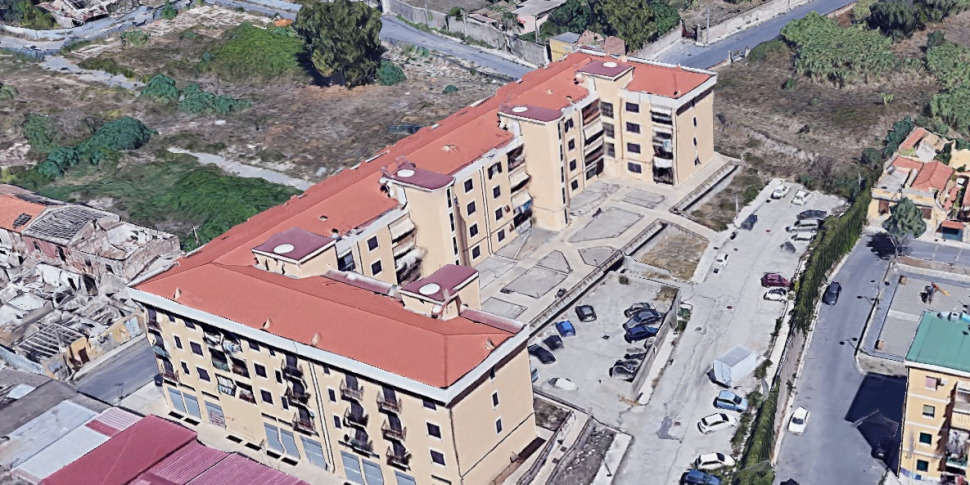
Operation Market Place began in 2021. At the time, 39 arrests were made, some in prison and others under house arrest, and 13 signature obligations were also carried out, as well as seizures of apartments and garage-cellars, cars, motorbikes and other economic utilities. In the Giostra district, which a justice collaborator had defined as “the Scampia of Messina” in some buildings on via Seminario Estivo, investigators revealed an impressive trafficking in narcotic substances. According to what emerged from Mobile’s investigations, there were two organizations capable of moving large quantities of narcotic substances (cocaine, marijuana, hashish and skunk) and of managing a widespread distribution of drugs, through numerous pushers, both in the city and in the province. The telephone and environmental interceptions and the images from the surveillance cameras revealed a real “drug dealing center” located in the complex of public housing in via Seminario Estivo. Just one significant fact: between 2016 and 2017 the monitored groups “collected” as many as 1062 charges, which in total were purchases and sales of drugs of all types and prices.