

Add the Gazzetta del Sud as a source
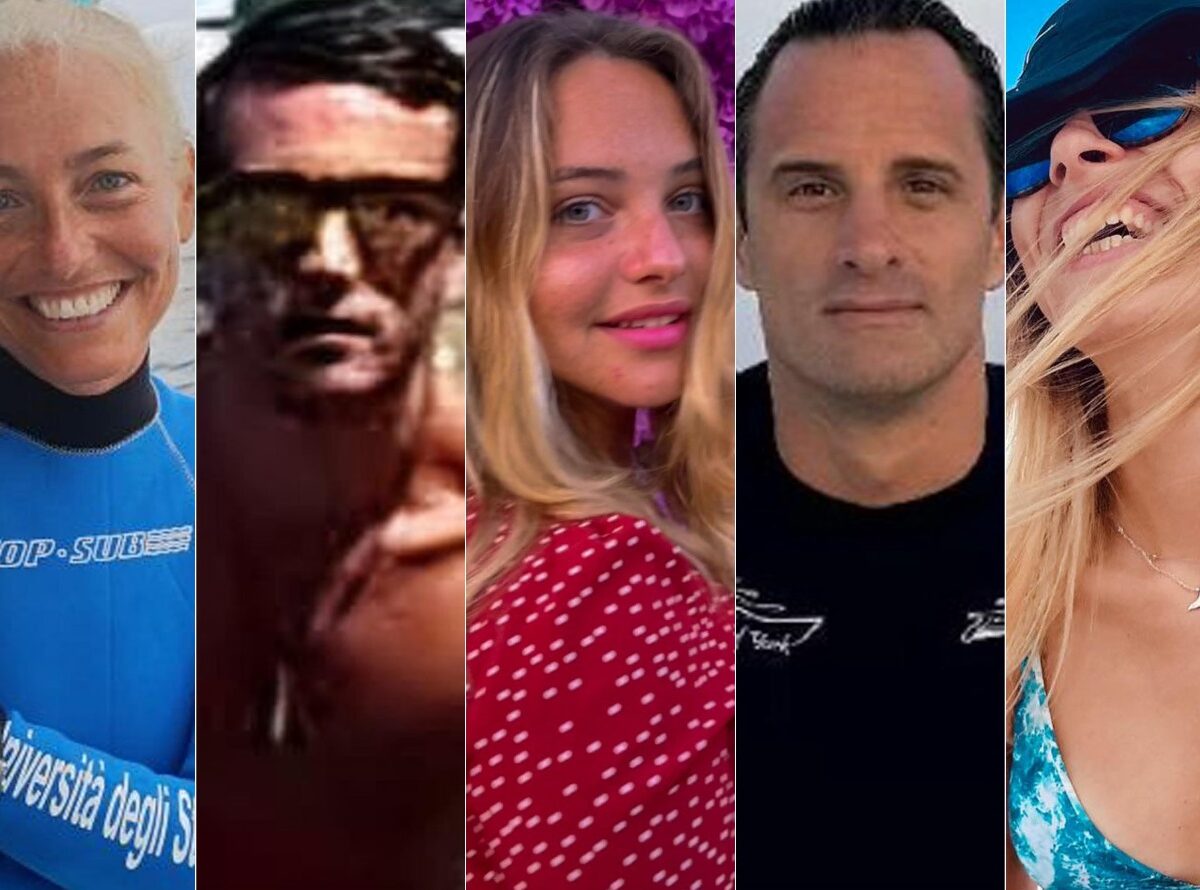
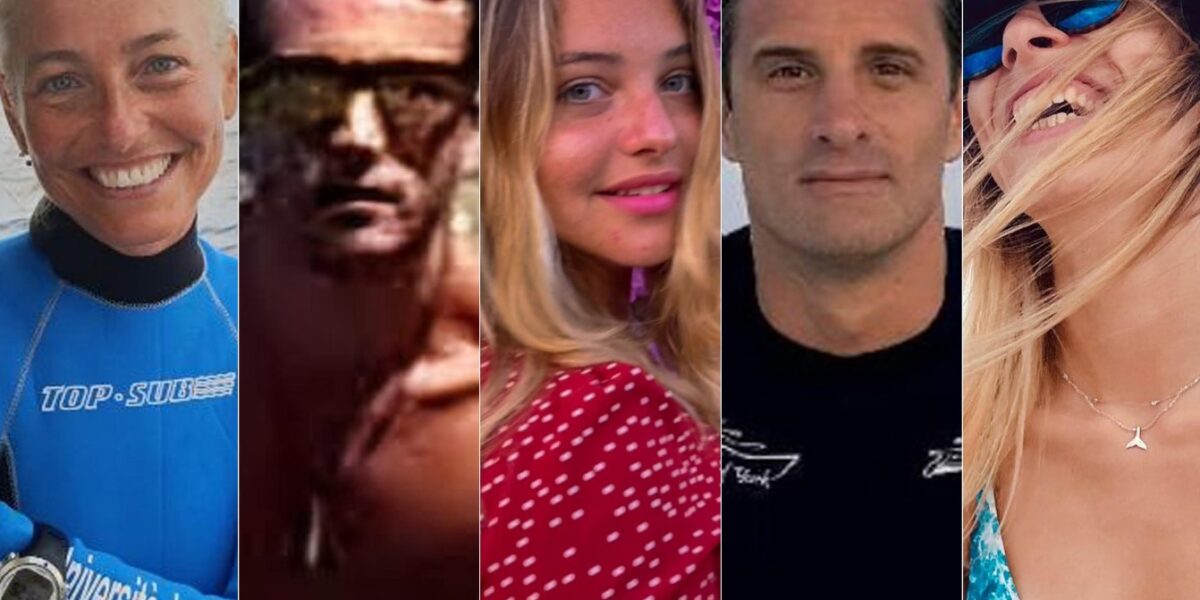
The cylinders, the equipment, the wrong corridor. Once the recovery mission of the bodies of Monica Montefalcone, Giorgia Sommacal, Muriel Oddeenino and Federico Gualtieri has been concluded, we have a clearer picture of the Dekunu Kandu tragedy in the Maldives.
The investigation opened by the Rome prosecutor’s office will try to connect the dots: additional elements will come from the results of the autopsies of the five dead divers, scheduled for next week; from the analysis of the equipment they had during the dive (wetsuit, tanks, go-pro camera, lights, computers, etc.) and of the mobile phones, PCs, pen drives, hard disks, which they had left on the Duke of York.
The latter objects have already been brought back to Italy by one of Professor Montefalcone’s colleagues and have been seized by the Genoa flying squad. Sami Paakkarinen, Jenni Westerlund and Patrik Grönqvist dived today for the fourth and final day. They entered the cave again to collect all the material left in the previous days. They were then interviewed by the Maldivian authorities who are investigating.
Their testimony could also be acquired by Roman magistrates. It is difficult to predict whether responsibilities will eventually emerge. From what has emerged so far, the tragedy seems to have been caused by an underestimation of the risks of the excursion into what Laura Marroni, the CEO of Dan Europe, the organization that sent the recovery team, defines, speaking to ANSA, as “a complex and deep cave, the penetration of which requires experience and adequate equipment”.
A cave that probably could not be visited in its entire width, two large rooms divided by a narrow 30 meter corridor, carrying 12 liter cylinders like the ones the 5 Italians had. In the second chamber the cave descends to 60 meters.
“At those depths – explains Marroni – you have an autonomy of 10-12 minutes with that type of cylinder”. The five Italians, after the external cave, the one connected to the sea, took the corridor – three meters wide, about one and a half meters high and 30 meters long – and entered the second chamber. Here they probably tried to go back along the same corridor whose entrance, however, due to an optical effect also caused by the sand present, seen from the lower room does not seem like a way out; then took another one to the left. It was the fatal choice: it was in fact a closed tunnel from which the 4 were no longer able to go back (the guide, Gianluca Benedetti, had been found in the first room, perhaps he had managed to find the right way but too late).
There, one close to the other, the Dan team of subspeleologists found them. To attempt the recovery they had equipped themselves with much more “heavy” equipment: from the “rebreather”, a system that allows you to stay underwater for more than 5 hours, to underwater scooters, to the line, the Ariadne’s thread to be fixed on the walls of the cave and essential for finding the way out. It is unclear whether the Italian expedition had it.
The Finnish divers found lines on the walls but they may have been fixed by the Maldivian divers who dived to recover the bodies before them (one even died). Laura Marroni does not comment on a possible underestimation of the risks by the five Italians, but warns against the phenomenon of “overconfidence”. This is the excess of confidence that the most expert people sometimes have and which leads them not to adequately consider the dangers of what they are doing.
More precise answers will be obtained from the investigation by the Rome prosecutor’s office which will have in hand all the elements – including the testimonies of the other people who were on the Duke of York – to reconstruct the dynamics of what happened. Answers that will not ease the pain of families.