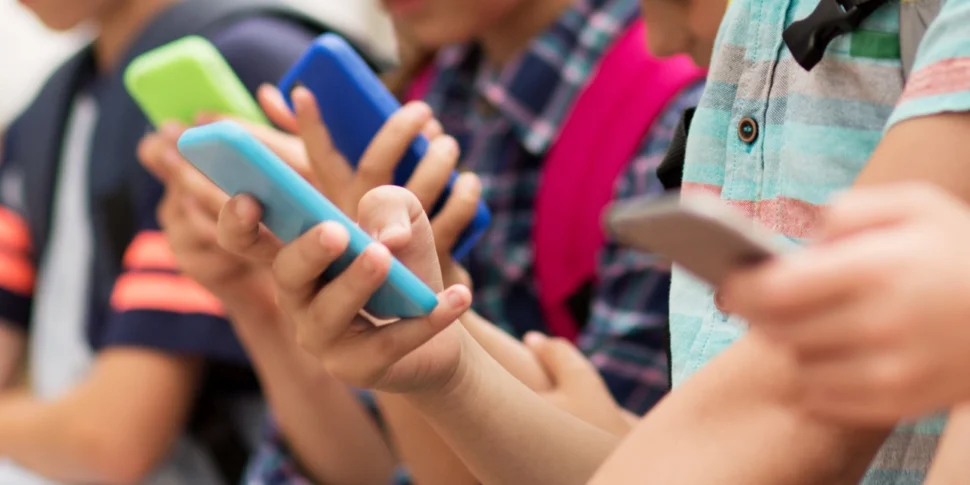
It is the size of a small box, which we keep next to us every moment, it has become the additional limb of almost all of humanity and is the most extraordinary object ever invented. A little box that contains everything, entertainment, useful services, futile vices, secrets, knows what you want and what you hate, but also a detonator which, if operated with insufficient caution, will blow up all the other connected boxes and transform the panorama we know.” This is how the cell phone on which we depend is described by the journalist and writer Carlo Verdelli (columnist for the “Corriere della Sera”) in his essay “The devil in his pocket” (Einaudi) in which he addresses, between investigation and socio-anthropological reflections, the theme, connected to what he indicates as the third alarm that threatens us closely, with nuclear weapons and environmental catastrophe: artificial intelligence.
From social media to AI, the main and most frequented transit channel is the mobile phone: that little box, that Aladdin’s lamp but “with the turbo” that seems to satisfy our every desire or need or whim, makes us experience the illusion of being equal to God, of having him in our pocket. But perhaps the devil is in his pocket. Because we are all always connected “as if real life and virtual reality overlapped to the point of confusing and confusing us”, adults and children, parents and children and this is the big problem: adults “prisoners like children of the same stunning spell” do not exercise due control, often closing their eyes to the discomfort of adolescents or children seduced by that illusory magic lamp. Verdelli speaks of an underestimated social pandemic, without cures or vaccines, a contagion which, if it is attributable to technological change, requires measures that must be taken by family and school. Which is obviously not easy, as is evident from the cases listed by Verdelli, because “putting the genie or the devil back into the lamp is enormously more complicated than letting him out”. We proceed between those who call for strict rules and those who consider bans to be of little use in “stamping out the worst”. Perhaps digital education would be necessary starting from elementary school, which would bring the two opposing worlds of adults and very young people closer together, starting with the reflection on this new language, an e-Italian, as the linguist Giuseppe Antonelli calls it, made up of truncated words, emoticons, symbols and “English-style” jargon for which Verdelli draws up a minimal vocabulary.
In a world in which Big Brother has been replaced by a myriad of Little Brothers, who take images, spy, undermine, propose extreme challenges and do business and digital tribes create a strong experience of identity and belonging, there is no shortage of good intentions and initiatives aimed at containing the immoderate use of the magic “box”, while trials against the social media giants and that AI-digital advisor of many young people and also of many horror stories increase.