

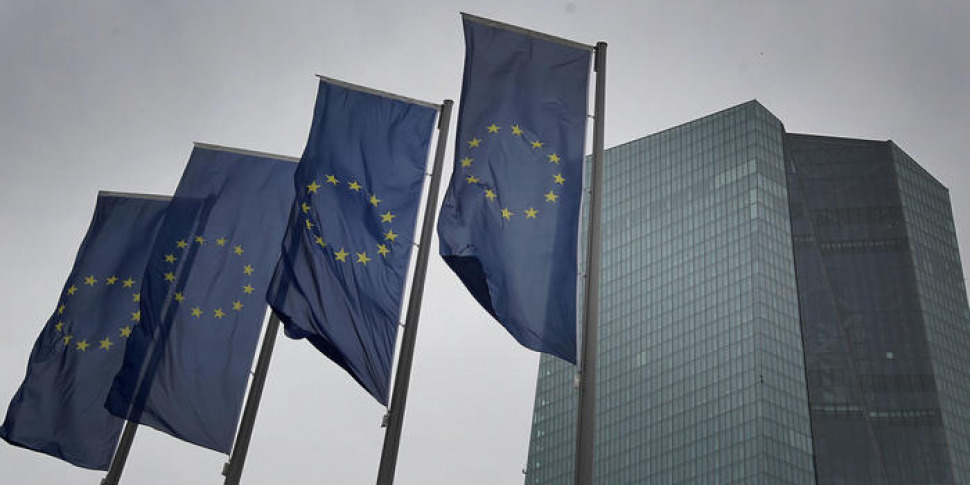
European manufacturing is putting on the brakes. But not enough to shake the foundations of the attitude of the ECB, which in the absence of any clarification on the war in the Middle East seems inclined to raise rates in June. The latest signal comes from Isabel Schnabel, member of the executive committee of the central institute: in the face of the energy shock “we can no longer look beyond it” as if it were temporary. Schnabel’s stance, considered hawkish even if often open to moderate positions in the ECB Council, comes after, in May, expectations of a lasting truce between Israel and the US on the one hand, and Iran on the other, seemed to have evaporated. Precisely those expectations, a week ago, had pushed President Lagarde to be cautious: what the ECB will decide “you will know on 11 June”, she told Che tempo che fa. In the meantime, between Donald Trump’s posts on social media and new mutual attacks in the theaters of Hormuz, the US bases in Kuwait and with a new resurgence in Lebanon, oil is back on the roller coaster and the uncertainty is very high. Morgan Stanley estimates inflation to accelerate in May to 3.2% (in line with analysts’ consensus). In Italy too, meanwhile, prices reached 3.2% in May, the highest since September 2023. For the American investment bank, underlying inflation, net of food and energy, would accelerate in May to 2.5%, against an ECB inflation target of 2%. That’s why Morgan Stanley gives 90% a quarter-point rate hike on June 11.
The numbers, in fact, prove Schnabel right when he says that the energy shock is spreading from fuels to other sectors of the economy. According to the German economist “the risk is rising that inflation expectations will become unmoored”, that consumers and businesses will prepare to “hedge” themselves in terms of wages or by raising prices. It is increasingly difficult for the ‘colombè’, like former ECB vice-president de Guindos recently, to call for patience. While the words of a prudent governor such as the Italian Fabio Panetta must be recorded, who in his final considerations on Friday opened up to a “recalibration” of ECB rates. The road seems clear. Of course, as Erik Nielsen of Independent Economics says, the promise of bringing inflation back to 2% “will come at the price of slowing the economy further.” The ECB will record the data arrived today by S&P: its PMI indices, particularly followed in Frankfurt, indicate a drop in manufacturing activity for May to 51.6 from 52.2 recorded in April, which had been a four-year high. If Germany at 50.1 is one step away from stagnation, Italy, thanks to the accumulation of inventories given the winds of uncertainty, accelerates to four-year highs at 52.9. Putting services and manufacturing together, S&P reported a euro area GDP likely to decline by 0.1% in the second quarter. Since then nothing has improved. But for the ECB, the price to pay with a monetary tightening in June continues to be lower than the risk of inflation which, if it took off, would then hit European GDP even harder.