

Add the Gazzetta del Sud as a source
The two strong earthquakes that hit Venezuela are a case of a seismic double, a less common phenomenon than a main earthquake followed by smaller aftershocks. It occurs when the rupture of a fault triggers the rupture of another segment of the same fault or one very close to it. The two tremors, with magnitudes 7.2 and 7.5, were recorded 40 seconds apart, 23 and 28 kilometers from the city of Yumare, according to the United States Geological Survey (USGS).
What is a seismic doublet
We speak of a double “when two earthquakes of very similar magnitude occur at a very short distance in time and space”, explains Lucia Lozano, seismologist of the Spanish National Seismic Network. «It is not a very common event – he adds – it is more frequent that a main earthquake occurs along an entire fault and releases all the tension accumulated in the earth’s crust». Sometimes, however, that first rupture can trigger another “in another segment of the same fault, or on a very nearby fault, as has happened now in Venezuela”. A signal, according to the expert, of a “very complex” failure zone, with interaction processes between the faults.
The precedents
Among other cases, Lozano cites an episode again in Venezuela, “two very close earthquakes in September 2025, but of lower magnitude, 6.2 and 6.3”, and one in Pakistan in 1997, with shocks of magnitude 7.0 and 6.8. Precisely the temporal proximity makes it difficult to distinguish the two shocks: “The seismic waves merge in the recordings”, unless the measuring instruments are very close to the epicenter.
Because the damage is so extensive
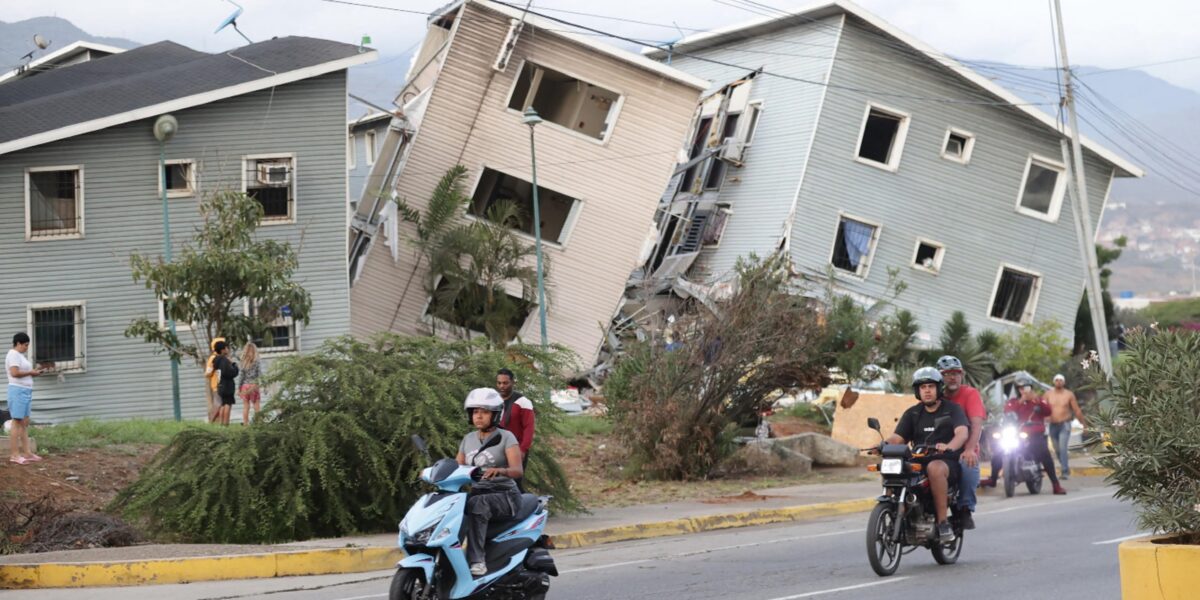
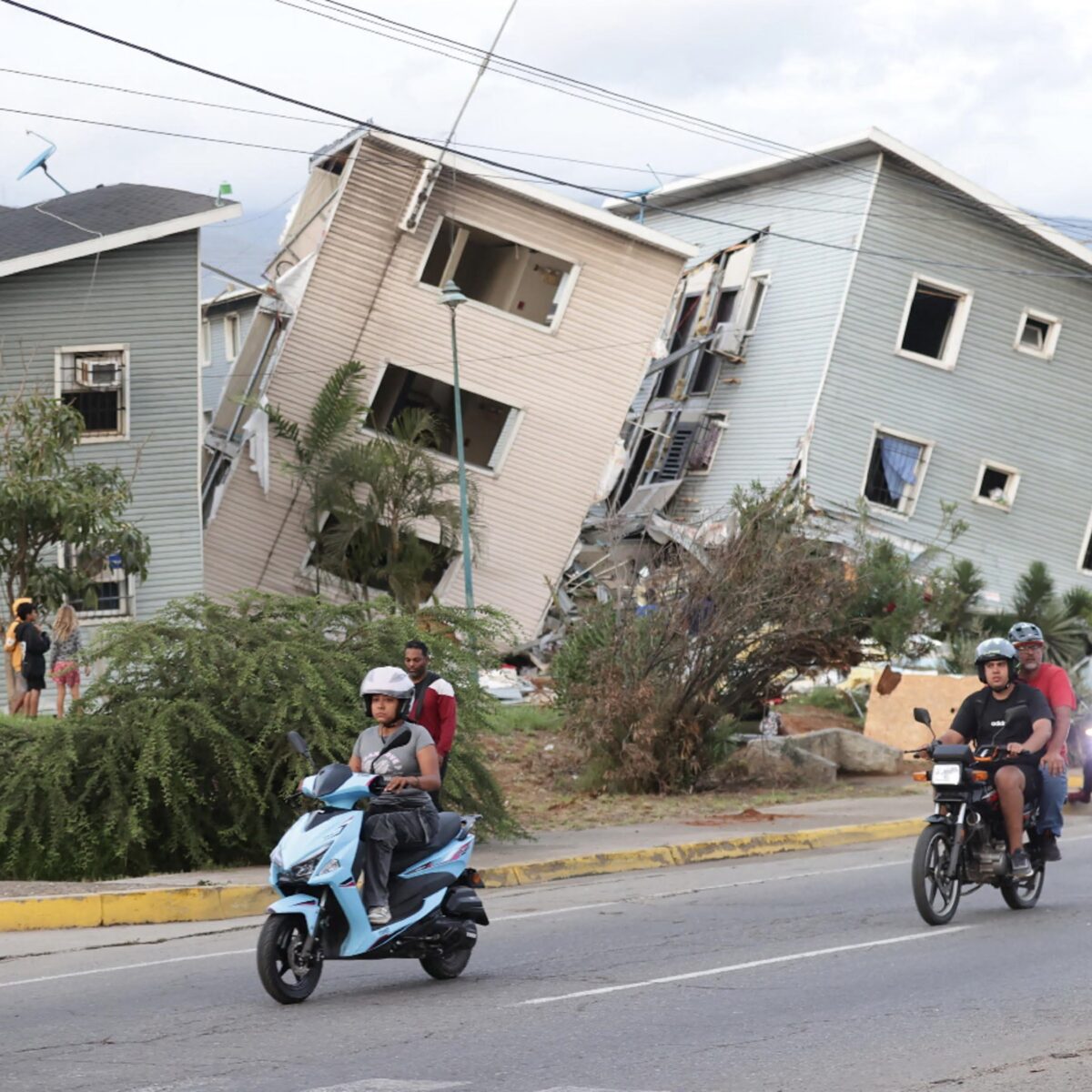
The most relevant aspect of earthquakes of this magnitude, the seismologist underlines, is that “they do not occur in a single point, but propagate along a fault”. For similar intensities we can speak of “rupture lengths of 150 kilometers, with a width of about 20 or 40 kilometers”: a very large area. This also explains the breadth of the USGS estimate of possible victims, between 10,000 and 100,000: «In addition to the magnitude – explains Lozano – information is needed on the intensity, geology of the area, population density and vulnerability of the buildings. Not all data is known precisely, which is why the ranges are so wide.”
The aftershocks
As for the future, “with earthquakes of this magnitude it is foreseeable that the seismic activity will continue in the coming days, weeks and months, even up to a year”, although with a number of tremors destined to decrease over time, without the possibility of strong-magnitude repeats being excluded. The affected area is located in a border area between the Caribbean and South American plates, characterized by “systems of large strike-slip faults” and therefore subject to significant earthquakes.