

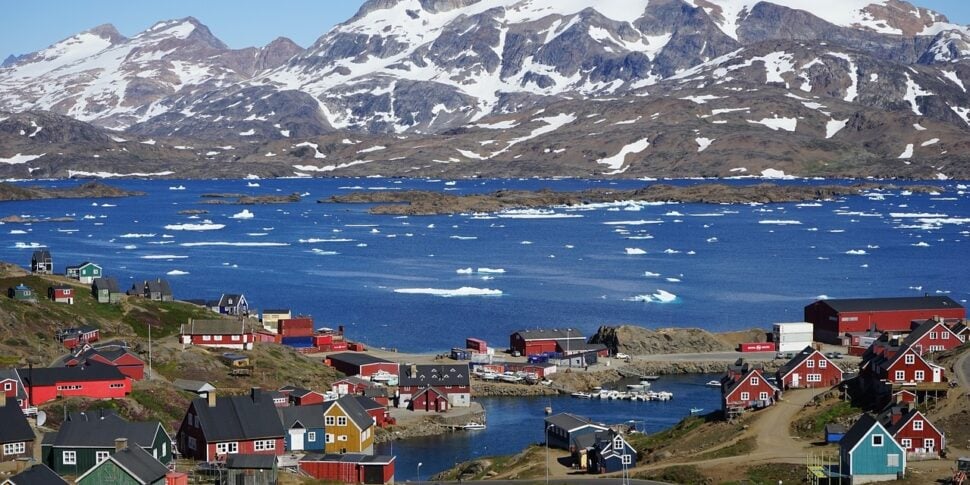
The British government is considering, together with European allies, sending a military force to Greenland to strengthen security in the Arctic and respond to fears expressed by former President Donald Trump about the presence of Russia and China in the region, the Telegraph reported.
In recent days, Downing Street officials have started talks with representatives of Germany and France, laying the foundations for a plan still in its early stages that could involve the use of British soldiers, warships and planes.
The declared objective would be to protect the island and, at the same time, dissuade Trump from the idea of a possible annexation of Greenland. However, the Nordic countries have denied the former US president’s claims, calling the alleged military activities of Moscow and Beijing near the island unfounded. As reported by the Financial Times, Nordic diplomatic sources with access to NATO intelligence briefings have confirmed that there have been no significant traces of Russian and Chinese ships or submarines in the area in recent years. The position was also reiterated by the Norwegian Foreign Minister, Espen Barth Eide: «It is not correct to say that there are many Russian or Chinese operations near Greenland. There is activity in our surroundings, but very little there.”
Germany has also expressed its opinion on the topic. Finance Minister and Vice Chancellor Lars Klingbeil declared on the eve of the G7 Finance meeting in Washington that Berlin is ready to increase security in the Arctic “together as NATO allies, not against each other”.
The German government also underlined that “it is exclusively up to Denmark and Greenland to decide on the future of the island”, reiterating the importance of respecting international law, “which applies to everyone, including the United States”.
The British initiative and the declarations of the Nordic countries highlight the growing geopolitical tensions over the Arctic, an increasingly strategic region from an economic and military point of view, but also subject to different interpretations on the real risks and the presence of external powers.