

Ukraine commemorates the 40th anniversary of the Chernobyl disaster, the worst civilian nuclear accident in history, while the plant remains exposed to risks linked to the war with Russia. Four decades later, the site continues to be among the most vulnerable in the world, with fears of new radioactive releases.
The 1986 explosion
It was 1:23 am on April 26, 1986 when reactor number 4 of the Soviet power plant exploded during a safety test, due to human errors and serious design flaws. The explosion destroyed the building and released a radioactive cloud into the atmosphere, while the nuclear fuel continued to burn for over ten days. Thousands of tons of sand, clay and lead were used to contain the fire.
The cloud and the consequences
The contamination hit Ukraine, Belarus and Russia hard, then spread to much of Europe. Public alarm came only after Sweden detected anomalous levels of radioactivity. The death toll remains controversial: the United Nations estimated around 4 thousand deaths, while Greenpeace spoke of up to 100 thousand deaths. Around 600,000 “liquidators” were exposed to high levels of radiation during cleanup operations.
The power plant under threat
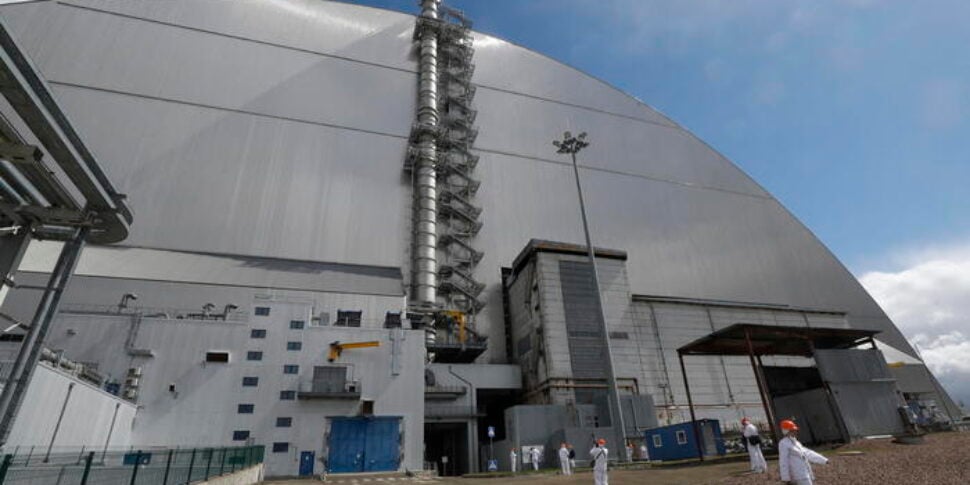
Today the remains of the reactor are protected by a double containment system: an internal sarcophagus and a more recent external structure, installed between 2016 and 2017. However, in February 2025, a Russian drone damaged the cover. According to Greenpeace, the structure cannot be fully restored, increasing the risk of radioactive leaks.
The situation is worsened by the continuous attacks on the electricity grid: since 2024 the plant has suffered four total blackouts, requiring the use of diesel generators to keep the cooling systems active. Even an accidental impact from a drone could cause the collapse of the sarcophagus.
A symbol for Ukraine
The Chernobyl disaster profoundly marked Ukrainian history. Historian Serhii Plokhy considers it a key moment in the birth of national consciousness, capable of revealing the fragilities of the Soviet system.
Even during the Russian invasion of 2022, the plant returned to the center of the conflict, with troops crossing the exclusion zone to advance towards Kiev. Today, 40 years after the tragedy, concern remains high: «There is a real risk of a new episode. It could happen at any time”, is the alarm raised by the authorities of the site.