

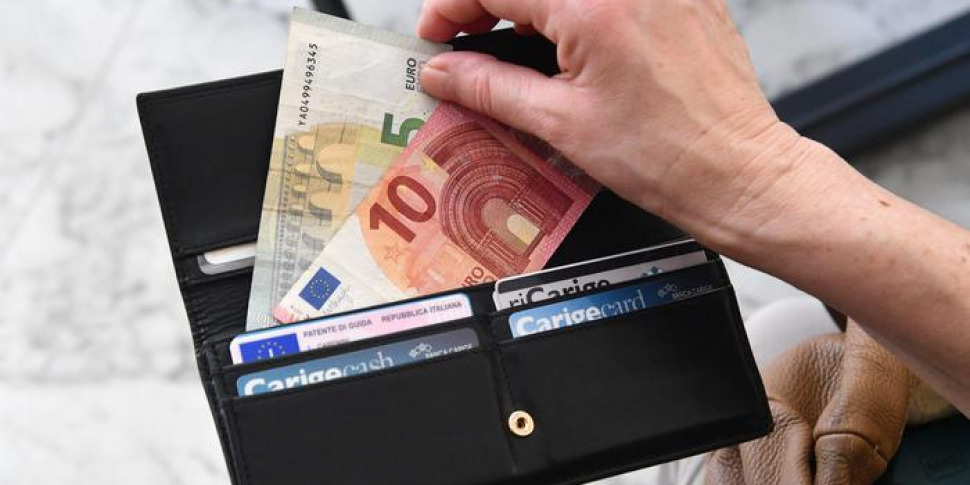
For 82% of Italian citizens, prices have increased in the last year, with 38.9% estimating increases of more than 8% and 35.7% between 3% and 8%. Over half give up going out and traveling while almost 4 out of 10 Italians, 38%, have resorted to paying for some services illegally. This is what emerges from the consumption survey contained in the Italy 2026 report by Eurispes.
The categories most affected by the price increases are food (93.3%), fuel (91.2%), meals away from home (83.4%) and travel and holidays (82.2%). Significant increases also for transport (75.4%), clothing and footwear (72.4%), personal care (70.9%), health expenses such as tickets and medicines (68.8%), technology (61.7%), home furnishings and services (61.4%), cinema and cultural activities (61.1%) and rent (60%). Lower quotas for the purchase of a house (56.8%), gym and sports (56.3%) and telephone costs (49.9%).
To contain expenses, purchases considered necessary are also postponed (60.2%), trips away from home are reduced (54.1%), travel or holidays (52.1%), less is spent on personal care (43.5%), domestic help (42.6%), work or renovations (39.6%). Almost 4 out of 10 Italians, 38%, have resorted to paying illegally for some services. Even the share of those who used payment installments (41%) fits into this picture, with the use of deferral tools to cover expenses that would otherwise be difficult to manage. The more specific waivers, linked to care services such as babysitting (36.1%) and carer (37.3%), show significant incidences, despite referring to subsets of the population (“only for those who need it”).
The most difficult sacrifices are those relating to higher health care in periodic medical check-ups (34.6%; they were 27.2% in 2025) and dental care (32.1%; 28.2% in 2025). This is followed by specialist visits (23.4%), veterinary expenses (20.4%), medical therapies or interventions (19.8%), and the purchase of medicines (15.7%). Cuts on treatments and aesthetic interventions also marked a significant increase from 26.4% to the current 34.9%.