

Add the Gazzetta del Sud as a source
At the “Renato Dulbecco” University Hospital in Catanzaro, the path of innovation in the diagnosis and treatment of cardiac arrhythmias continues. A further step forward is represented by the introduction of pulsed field ablation, known as PFA – Pulsed Field Ablation, one of the most advanced technologies available today for the treatment of atrial fibrillation, one of the most frequent heart rhythm pathologies.
First successful interventions by the Electrophysiology team
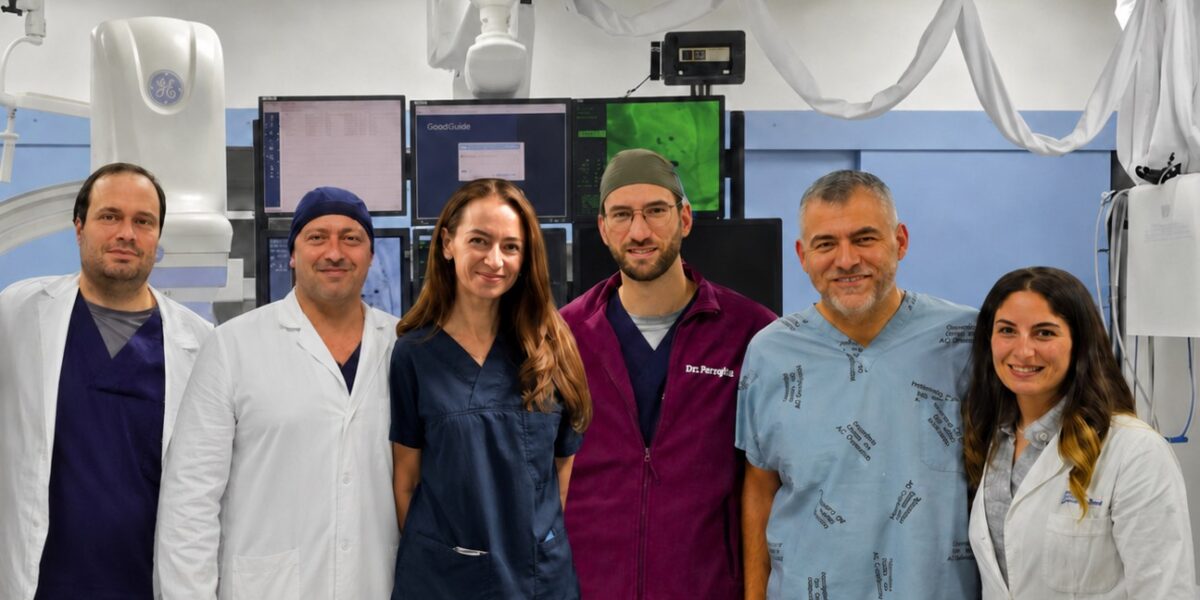
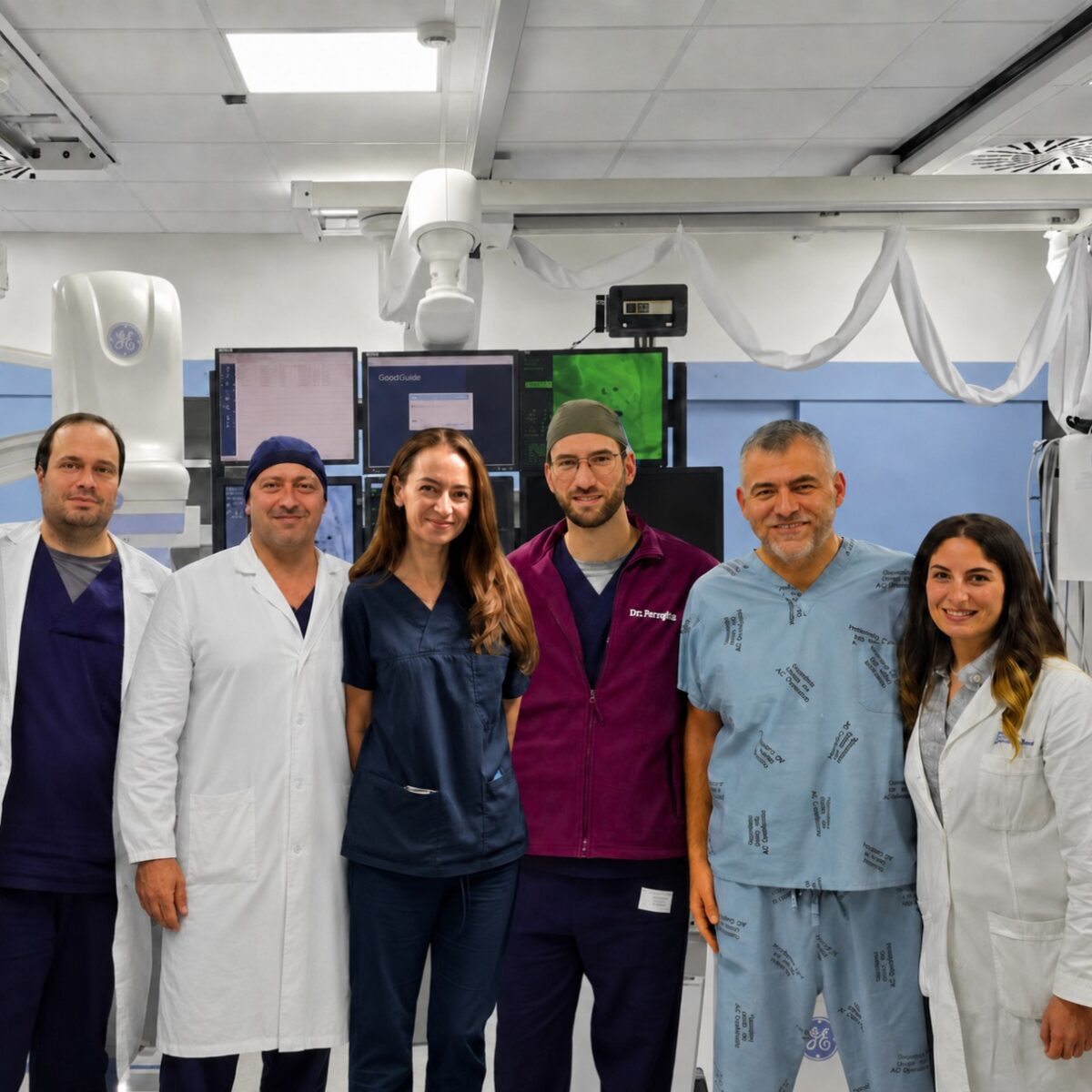
In the University Cardiology Unit of the AOU “Renato Dulbecco” and the Magna Graecia University of Catanzaro, directed by Professor Daniele Torella, the Electrophysiology team composed of doctors G. Santarpia, A. Strangio, F. Passafaro, J. Ielapi and A. Di Costanzo recently successfully performed the first ablation procedures using PFA technology, confirming the high specialist level achieved by the university center Calabrian.
The procedures were carried out under the supervision of Dr. Francesco Solimene, international reference expert in the ablative treatment of atrial fibrillation and Head of the Electrophysiology Laboratory of the Montevergine Clinic in Mercogliano. Its presence represented an important added value in the process of launching the method and allowed the Center to be certified in the use of the new technology.
The impact of atrial fibrillation and the role of ablation
Atrial fibrillation is the most common arrhythmia, characterized by an irregular and often accelerated heart rhythm. It can cause symptoms such as palpitations, fatigue, difficulty breathing, reduced exercise tolerance and, in more complex cases, increase the risk of cardiovascular complications. For this reason, timely diagnosis and adequate treatment are essential to improve patients’ quality of life and reduce the risks associated with the disease.
Transcatheter ablation today represents one of the main therapeutic strategies for the treatment of atrial fibrillation, especially in patients in whom pharmacological therapy is not sufficient or is not well tolerated. The procedure is performed in a minimally invasive way, through the introduction of catheters that reach the heart to intervene on the areas responsible for the arrhythmia.
How PFA technology works and the benefits for the patient
PFA technology introduces a new form of energy, different from those traditionally used, such as radiofrequency or cryoablation. It is based on the phenomenon of electroporation, i.e. the application of short electrical impulses capable of creating microscopic alterations in the membrane of the target cells, leading to their elimination.
This method allows you to act more selectively on the cardiac tissue responsible for the arrhythmia, reducing the risk of damaging the surrounding structures. For the patient this means being able to count on a more targeted, safe and rapid treatment, with fewer procedural risks and faster recovery.
Precisely because of these characteristics, pulsed field ablation stands out for a better safety profile for the patient, greater precision of action and a significant reduction in the risk of side effects linked to damage to nearby tissues. The procedure is also quicker and better tolerated, with increasingly shorter recovery times for patients.
Prof. Daniele Torella’s comment: a brake on healthcare migration
“The introduction of PFA at our University Cardiology of the AOU Renato Dulbecco represents a result of great importance for Calabrian healthcare”, states Prof. Daniele Torella. “This technology allows patients in our area to access highly specialized and technologically advanced treatments directly in the region, without the need to turn to centers outside Calabria. It is a concrete contribution to reducing healthcare migration and strengthening the regional healthcare offering.”
The strategic vision of the Extraordinary Commissioner Simona Carbone
“This achievement”, declares Dr. Simona Carbone, Extraordinary Commissioner of the “Renato Dulbecco” University Hospital, “is the result of investments in innovative technologies and of the constant work to strengthen professional skills and highly specialized clinical-assistance paths. The Renato Dulbecco AOU continues to focus on innovation, on the integration of assistance, teaching and research and on the valorisation of the professionalism present within it, also thanks to the synergy with the Magna University Grace of Catanzaro”.
“The activity of the University Cardiology of the AOU Renato Dulbecco confirms the central role of the Company in the field of healthcare innovation”, concludes the Extraordinary Commissioner, “and testifies to the constant commitment to guaranteeing patients modern, effective, safe and increasingly accessible care”.
The satisfaction of the Rector of the Magna Graecia University
Great satisfaction was also expressed by the Rector of the Magna Graecia University of Catanzaro, Prof. Giovanni Cuda, who applauded the University Cardiology and the Electrophysiology team for a result that enhances the University’s role in promoting clinical innovation, applied research and the quality of healthcare in the area.