

Add the Gazzetta del Sud as a source
The Sicilian public has already encountered Leoš Janáček’s theater through “Jenůfa” which returned to the Teatro Massimo in Palermo in 2016 after the historic performance in 1979. Today it is another of his masterpieces, Příhody lišky Bystroušky (The cunning little fox), which has conquered the European public. An opera which, despite having its roots in the Moravian woods, speaks a universal language: that of the relationship between man and nature. A theme that also finds particular resonance in Southern Italy, guardian of some of the most important forest heritage in the Mediterranean, from Sila and Aspromonte to the Nebrodi, Madonie and Ficuzza.
We could start from Dante and the memorable verse of “love that moves the sky and the other stars”. Or from the powerful Canticle of the Creatures by Saint Francis of Assisi, who, precursor of a modern ecological sensitivity, attributes equal dignity to all beings, human and non-human. In both of these visions a universal force animates nature in all its forms. It is the same one that passes through the forest imagined and transfigured into music by Janáček, where the animal world becomes a mirror of man and his fragile existence.
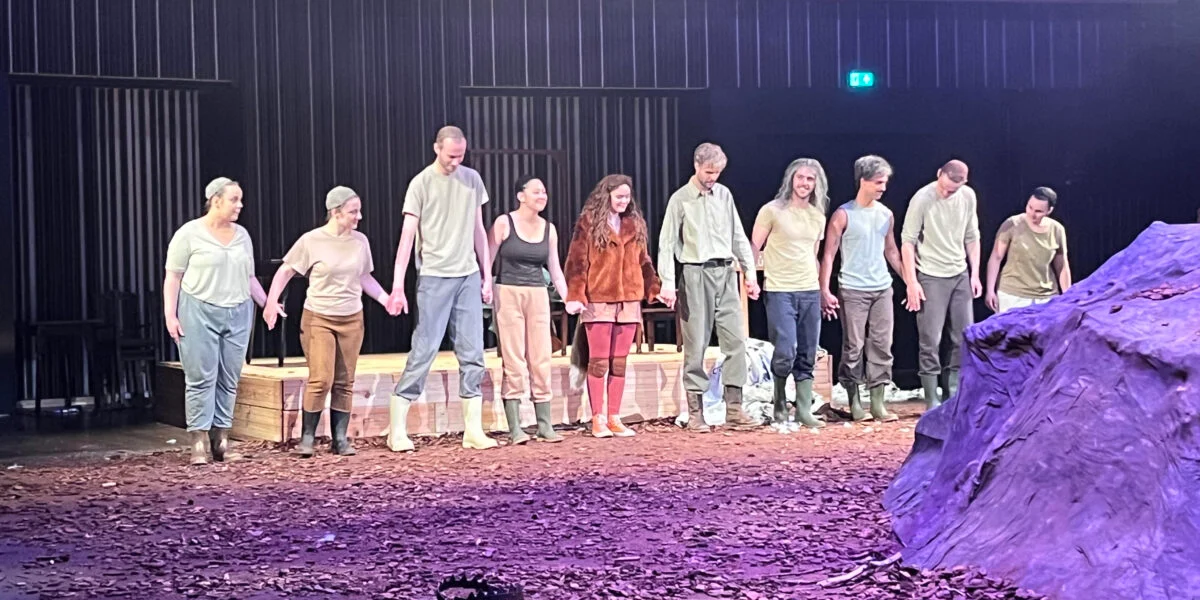
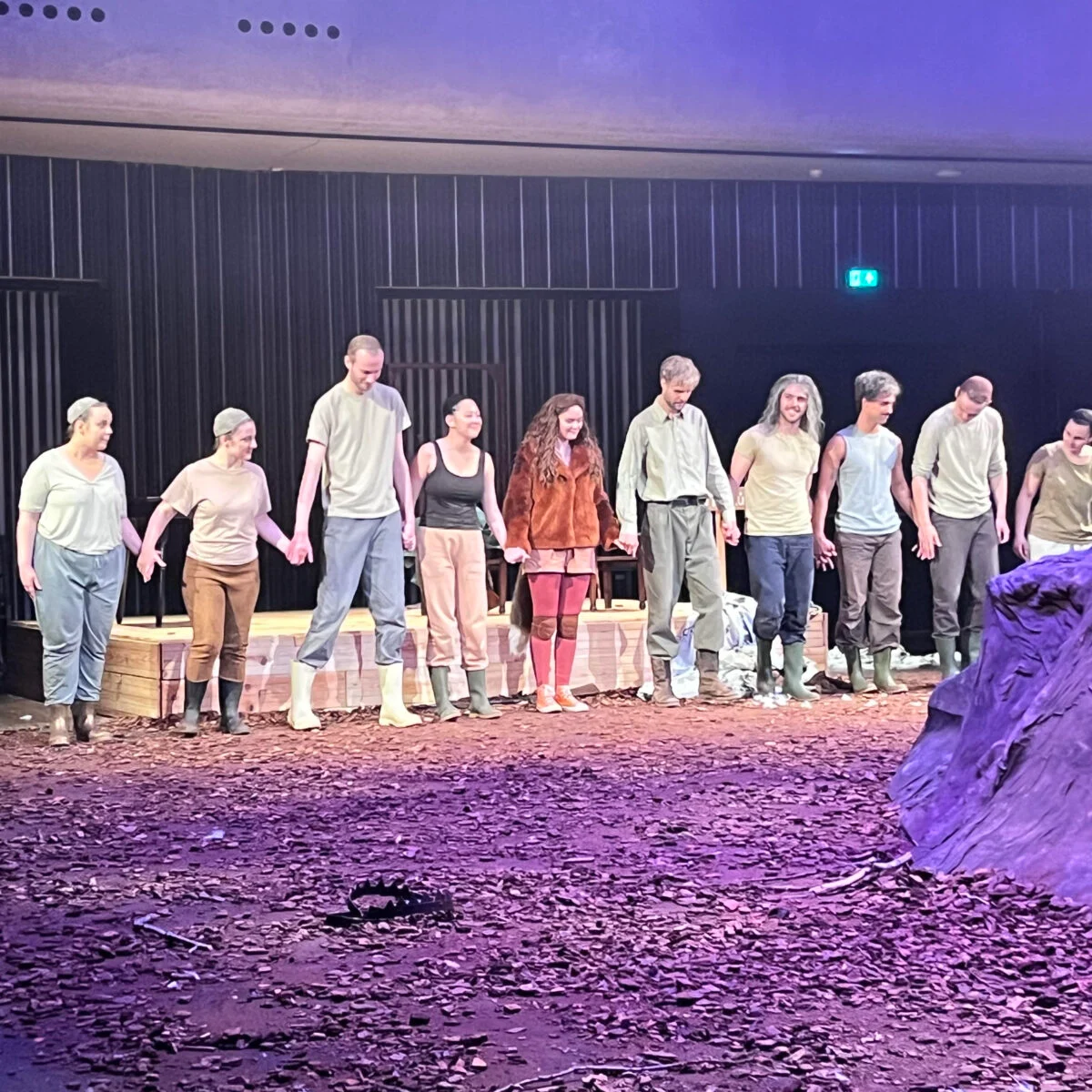
Composed between 1921 and 1923, “The cunning little fox” tells the story of the fox Bystrouška, captured by the forester, capable of regaining freedom, falling in love, giving birth to her young and finally succumbing to the violence of man, while around her the cycle of nature continues inexorably. This primordial vital energy is the heart of the Czech composer’s masterpiece, which last week won over the audience in the Amare Conservatoriumzaal, The Hague, in a new production by the Dutch National Opera Academy, created in collaboration with the Residentie Orkest.
The four performances saw two different casts of young performers alternate, offering the public two complementary readings of one of the most poetic and profound works of the twentieth century. Janáček’s universe was brought to life by Mathilde Guedj, Aimee Kearney, Maura Wesseling, Madeline Lee, Pavel Zelenev, Jaap van der Wel, Kasia Mandla, Román Bordón, Milan de Korte, Cathal McCabe, Salvador Simão, Clarisse Planchais and Laura Pimenta, protagonists of a choral work that returned the extraordinary poetic richness with freshness, intensity and pathos of the work.
The Dutch National Opera Academy has entrusted Janáček’s masterpiece to a new generation of artists, confirming its vocation to combine high education and professional production. The production was created under the artistic direction of Paul McNamara, with Maddalena Deichmann leading the Academy program. On the podium the young director Chloe Rooke, while Daniel van Klaveren signed the direction and the innovative scenic concept.
Performed for the first time in Brno in 1924, The Little Cunning Fox is today considered one of the absolute pinnacles of twentieth-century musical theatre. Behind the apparent lightness of the tale lies a profound meditation on life and death, on the renewal of the seasons and on the often conflictual relationship between man and nature. Over a century after its composition, the work retains its modernity intact and continues to excite because it reminds man of being part of nature, and not its master. This is perhaps the reason for its extraordinary relevance: from the Moravian forest imagined by Janáček to the great woods of Sicily and Calabria, its message continues to speak to every place where nature asks to be heard.