

Add the Gazzetta del Sud as a source
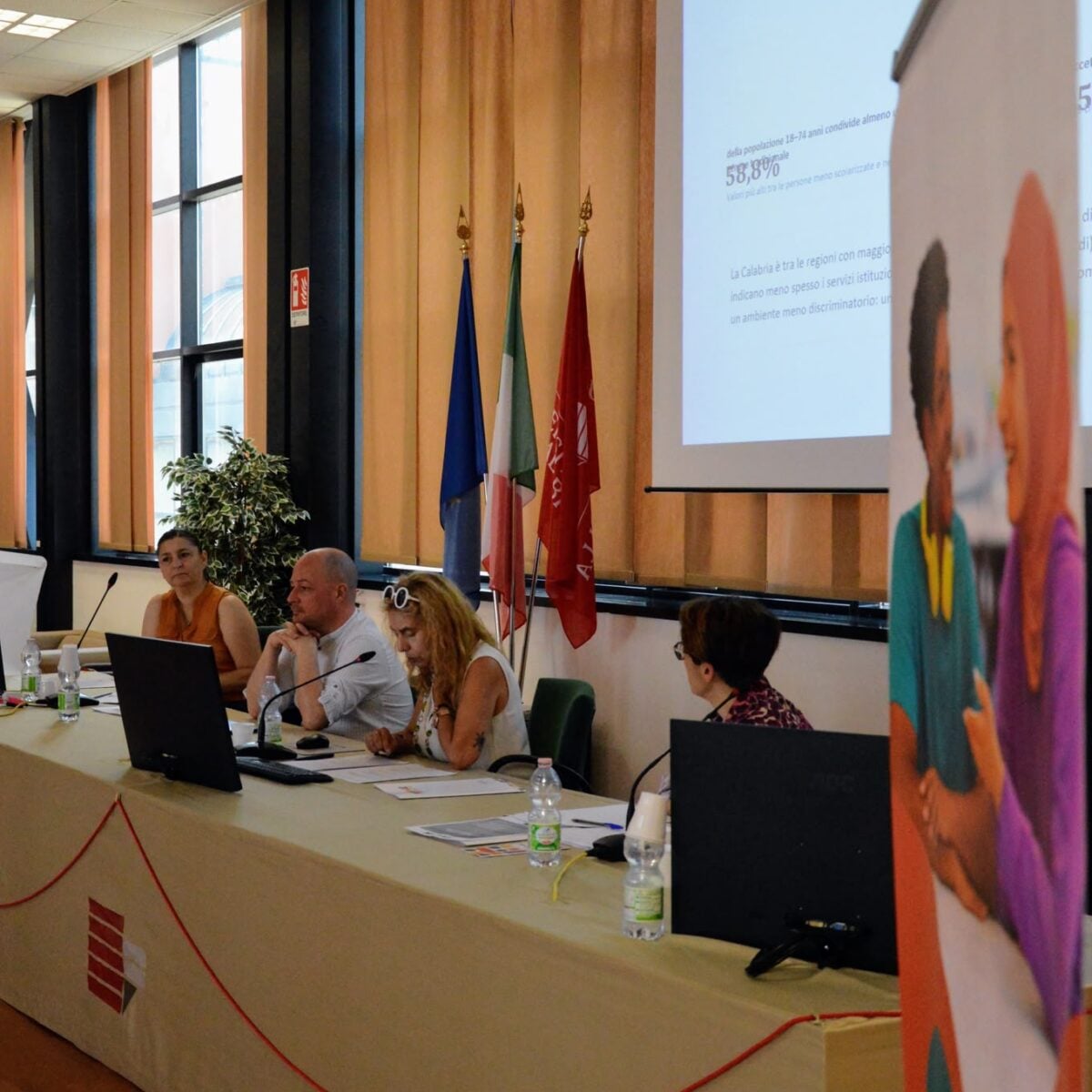
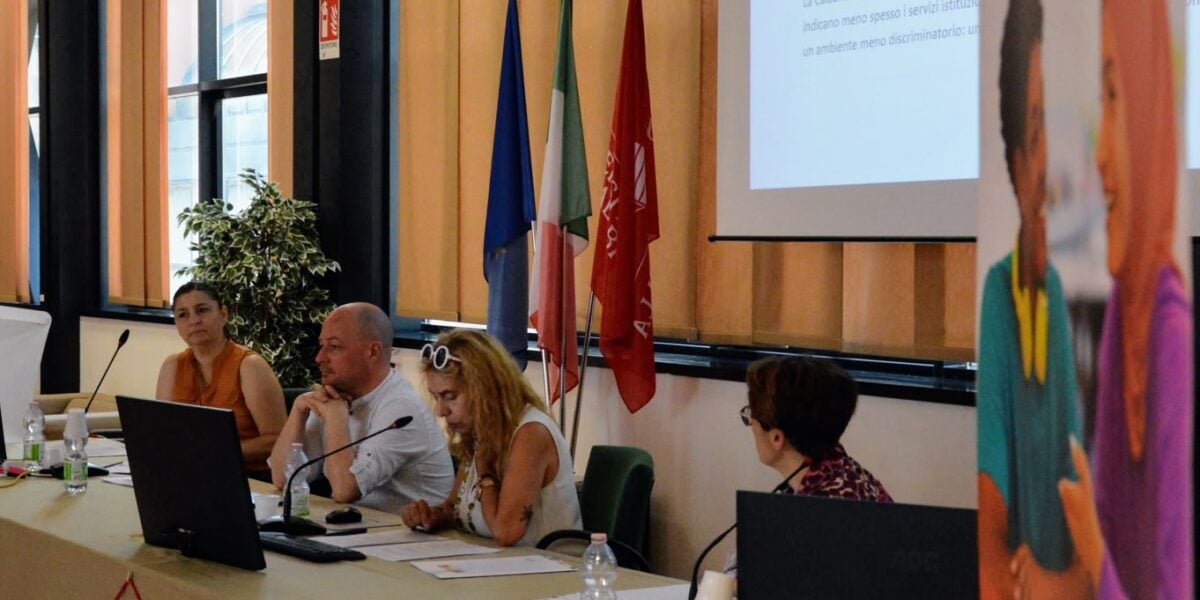
On the occasion of the International Day against Hate Speech, the public meeting “Invisible Hate Speech – Data and experiences in Calabria” was held yesterday, 18 June 2026, at the University Club of the University of Calabria in Rende, promoted as part of the European project MYTHiC – Mobilize Youth Tackling Hate in Calabria, financed by the European Union and coordinated by the L’Albero della Vita Foundation, in partnership with Dataninja and Calabrian Solidarity Center ETS.
Institutional greetings and the objective of the meeting
The proceedings were opened by institutional greetings from Professor Elvira Brunelli, Pro-Rector of the University of Calabria with responsibility for Equal Opportunities and Wellbeing, and from Manuela Viola, regional representative of the L’Albero della Vita Foundation, who underlined the value of a shared commitment between institutions, universities and local realities to promote a culture based on inclusion, respect for differences and the fight against all forms of discrimination.
The initiative represented an important moment of discussion between universities, institutions, the third sector, social workers and citizens on the topic of hate speech, discrimination and crimes motivated by prejudice, phenomena that are increasingly widespread but still largely hidden, especially in the territorial contexts of Southern Italy.
Research data: hate moves digital
At the center of the meeting was the presentation of the research “Mapping Hate and Discrimination in Italy: Structural Invisibility, Multi-Source Monitoring and the Calabrian Case Study”, curated by Professor Giovanna Vingelli, professor at the University of Calabria and director of the UNICAL Women’s Studies Centre, carried out as part of the MYTHiC project.
The study provides an extremely significant picture: today the main space in which hatred manifests itself is digital, where 71.6% of the hate speech detected is concentrated, while the remaining 28.4% manifests itself in physical contexts, such as schools, workplaces and public spaces. In 2024 alone, the UNAR system recorded 17,640 overall reports, of which 93.7% emerged from monitoring the web and the media, confirming how the digital ecosystem has today become one of the most vulnerable environments to the spread of discriminatory languages.
The Calabria case: a structural invisibility
The focus dedicated to Calabria is particularly relevant, defined by the research as a case of “structural invisibility”: not because discrimination and violence are less present than in other territories, but because they are less reported, less monitored and more difficult to intercept. A condition linked to cultural factors, mistrust in institutions, the normalization of some forms of discrimination and the fragility of emergence and support networks.
Testimonies from the area
During the discussion, moderated by the journalist Maria Rita Galati, in addition to Professor Giovanna Vingelli, speakers also included Silvio Cilento, president of ARCI Cosenza APS and coordinator of the CAD LGBT Cosenza, who focused on the growth of violence and discrimination against LGBTQIA+ people, and Stefania Bevilacqua, vice-president of UCRI – Union of Roman communities in Italy, who shared a direct testimony on the multiple discriminations experienced by those belonging to minorities ethnic and gender.
The impact and future of the MYTHiC project
The MYTHiC project was created with the aim of combating hate speech and hate crime by directly involving the new generations through educational paths, training and active participation. To date, the project has already involved over 840 students, trained 80 local operators and more than 30 teachers, building a regional network of subjects committed to preventing discrimination and promoting more inclusive communities.
“With MYTHiC we are building concrete tools in Calabria to recognize and combat online hatred, investing in the new generations and in the ability of the territories to respond in a coordinated manner to discriminatory phenomena”, underlined Lara Colace, EU Project Coordinator of the L’Albero della Vita Foundation. “The most important phase will open in the coming months with the activation of field laboratories and an innovative referral system that will allow victims of discrimination to report the abuse they have suffered in a protected manner, activating a network of care and support”.
Yesterday’s meeting confirmed how the fight against hate speech cannot be limited to the repression of the phenomena alone, but requires a structural investment in education, prevention, listening and participation, so that discrimination and violence have no place in society, online and offline.