

Add the Gazzetta del Sud as a source
Tehran accused the United States of “excessive demands”, Iranian media reported, while US media speculated that Washington was considering new attacks and that the Islamic Republic’s leaders were considering the latest peace proposal. Iranian Foreign Minister Abbas Araghchi said in a phone call with United Nations Secretary-General Antonio Guterres that Tehran is committed to the diplomatic process despite the United States’ “repeated diplomatic betrayals and military aggression against Iran, along with contradictory positions and repeated excessive demands,” the ministry reported.
The objectives under consideration by Trump
Power plants, energy plants, missile sites along the Strait of Hormuz, underground enriched uranium deposits in Isfahan and even the new Iranian leadership. These would be some of the possible objectives that the president of the United States, Donald Trump, would be evaluating in the case of a resumption of military operations against Iran together with Israel.
According to the New York Times, Trump would have discussed possible military options in the Oval Office with Defense Secretary Pete Hegseth on Friday morning, while negotiations on Iran’s nuclear program and the blockade of the Strait of Hormuz appear to be stalled.
A new campaign against the energy sector
Among the scenarios considered would be a new campaign against Iran’s energy sector, with attacks on power plants, desalination plants, oil wells, roads, bridges and other infrastructure considered linked to the Revolutionary Guards. According to Pentagon officials quoted by the newspaper, the approved targets have “clear links” with the Pasdaran, in the belief that striking these facilities could increase pressure on the Iranian leaders.
Missile sites along the Strait of Hormuz
Another central issue concerns the Iranian missile sites, especially along the Strait of Hormuz, a strategic passage through which about a fifth of the world’s oil passed before the war. During the conflict the United States had already struck several Iranian positions, but according to intelligence assessments cited by the New York Times, Iran would have regained access to 30 of the 33 missile sites along the strait, while approximately 90% of the underground missile storage and launch facilities in the country would have returned “partially or completely operational”.
The hypothesis of targeting enriched uranium in Isfahan
Among the most delicate options under consideration by Trump would be a direct attack on the stocks of highly enriched uranium kept in the underground site in Isfahan. “We’ll take it,” Trump said Thursday, referring to Iranian nuclear material. «We don’t need it and we don’t want it. We will probably destroy it after we get it, but we won’t let them have it.” Behind the scenes, the administration is reportedly evaluating the use of state-of-the-art bunker buster bombs to destroy or further bury nuclear material stored in underground bunkers. Previously the United States and Israel had also developed a plan to physically recover the uranium through a commando raid, which was then blocked by Trump for fear of high losses and the risks associated with handling the material.
Threats to the Iranian leadership
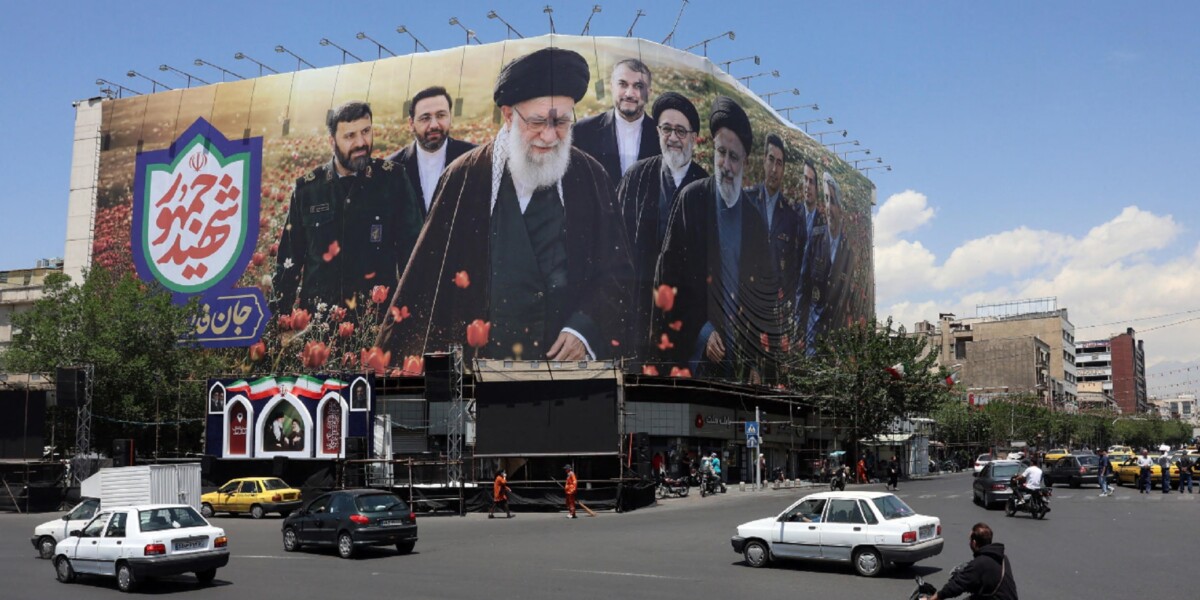
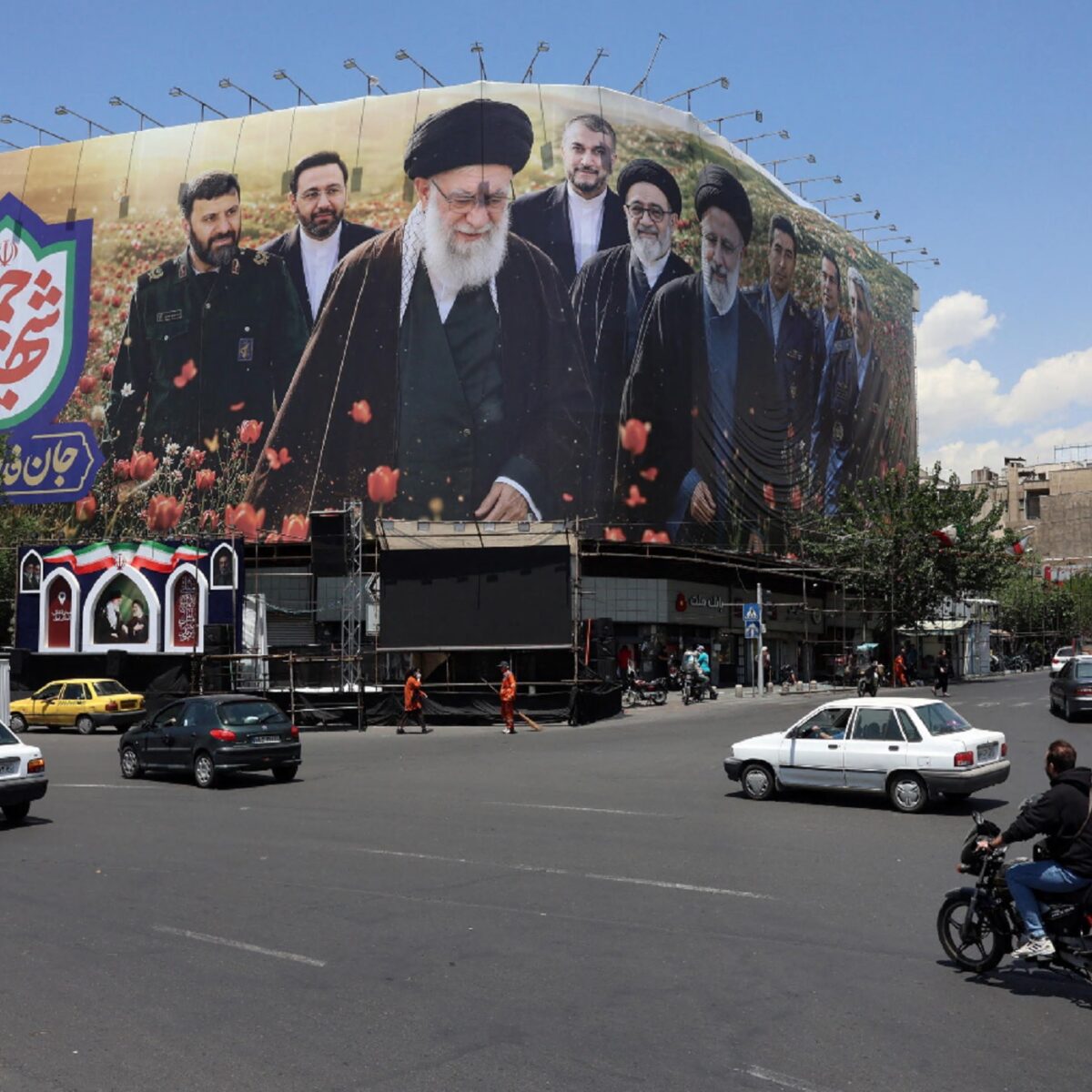
Finally, the possibility of directly attacking the Iranian leadership remains on the table. Israel had already eliminated numerous Iranian leaders and figures linked to the nuclear program during previous raids. Trump had celebrated the death of Iranian Supreme Leader Ali Khamenei and, according to the New York Times, would have shown growing irritation towards the new leader Mojtaba Khamenei, defined as “unacceptable” and a “featherweight”. The American president also allegedly made veiled threats against Mohammad Bagher Ghalibaf, stating: «We know where he lives. Let’s put it this way.”