

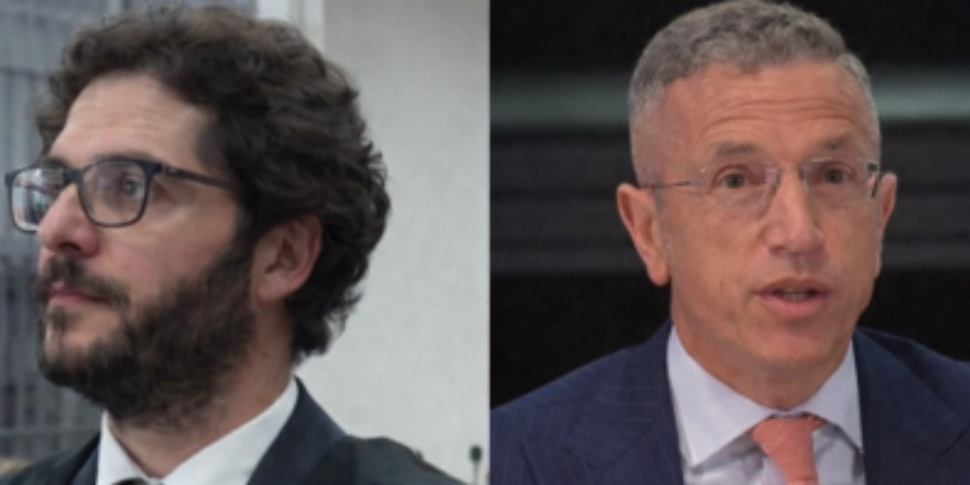
For Stefano Musolino (Anm), secretary of the democratic judiciary: «The Constitution cannot be changed with a majority, we will be worthy of the renewed trust that the people have invested in us». While Domenico Guarascio (MI), chief prosecutor of Crotone, comments: «The campaign for the yes to the reform was based on a false narrative, I am happy with the civic awakening of this country»
Musolino: «The referendum aimed to weaken the system of separation of powers»
The value of the Constitution, the political future of the National Magistrates Association and a reflection aimed at the Yes people. The day after the referendum which confirmed the victory of the No with respect to the justice reform law, Stefano Musolino, deputy prosecutor in Reggio who has been on the front line for years against the ‘ndrangheta and organized crime and national secretary of the Democratic Judiciary, analyzed the vote from Reggio.
Let’s start from the analysis of the vote, with the figure of 53.74% and 14 million votes of Italians against the Nordio reform. Did you expect this obvious and clear divide?
«The extraordinary turnout at the polls reveals how it is still possible to do politics in our country; despite the apparent technical nature of the question, people understood what the real issue behind the referendum was: whether or not to weaken the system of separation of powers on which our democratic pact is based. The entire judiciary spent its time in this information work in thousands of live meetings, to make itself known better and to be questioned by citizens, rediscovering a closeness that was transformed into renewed trust. The gap, as clear as it is unexpected, is the fruit of this constitutional patriotism which is a victory for and for the whole country.”
One of the key themes of the No voters was the defense of the Constitution, did the vote also affirm this?
«The Constitution is the true essence of our recognition of our homeland. It is not just borders, language and culture that define us, first of all there is a pact and social objectives that unite us and which the Constitution establishes with a balance and foresight that is difficult to repeat. For this reason, every change requires an awareness resulting from widespread information and a true and fruitful debate involving the whole country. You don’t change the Constitution with a majority.”
Guarascio: «The Italians said no to a super-police prosecutor dependent on politics»
I am happy with the civic awakening of this country…”. The prosecutor Domenico Guarascio, the day after the electoral data binge which confirmed a clear victory for the “No” in the confirmatory constitutional referendum on the Meloni-Nordio reform, returned to his daily “routine” on the third floor of the Crotone courthouse. In the last two months Guarascio has dedicated most of his free time to the commitment of the committee for the “No” to the constitutional revision law which, if approved, would have introduced the separation of careers into the 1947 Charter: «But what does it mean? And why even separate competitions? By any chance – he ironically – shouldn’t aspiring public prosecutors have studied criminal procedure?”.
Forty-six years old, from Parenti, in the Cosentino area, a magistrate since 2009 with 10 years behind him at the Anti-Mafia District Prosecutor’s Office of Catanzaro, Guarascio has been leading the Crotone Prosecutor’s Office for a year and three months. And it is certainly not what is called a “red toga”. «I am one of the national vice-presidents of the independent judiciary – he underlines – (always considered a right-wing current). But I consider myself a magistrate who applies the law without giving political-social connotations to my work.” The fact is that like many of his “moderate” colleagues, he sided convincingly against the proposal he had in mind to amend seven articles of the Constitution, providing for two CSM (one for prosecutors and one for judges) and the High Court for disciplinary proceedings: “But if you take away the task of deciding on sanctions from the CSM, what does it have left?”, he asks.
The full article is available in the print and digital editions