


Add the Gazzetta del Sud as a source
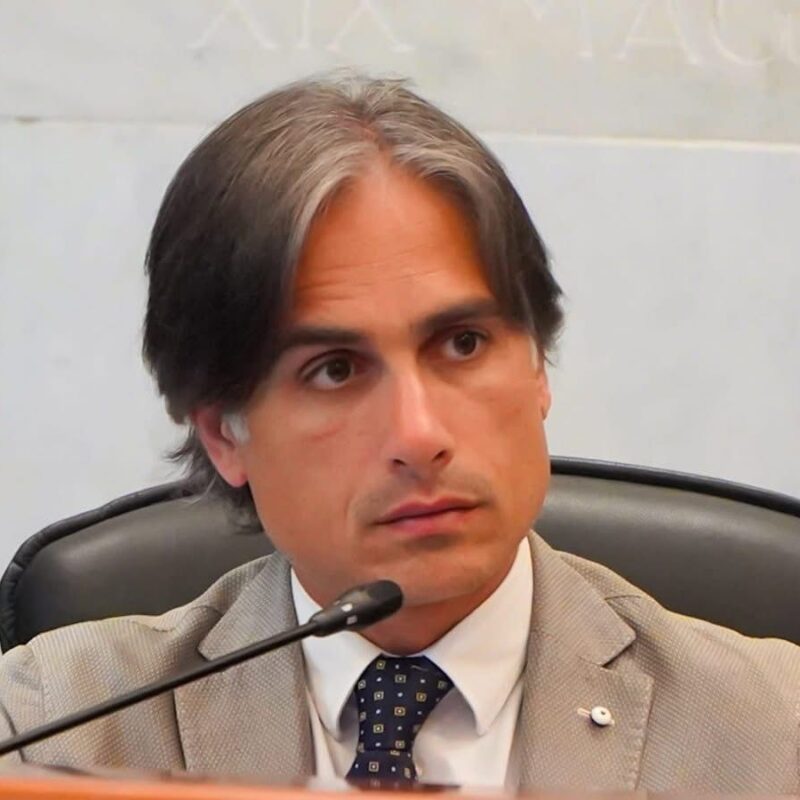
The tragedy of the four laborers found dead in Amendolara brings the living and working conditions in the Sibaritide and Upper Ionian Cosenza countryside back to the center of the debate. The regional councilor of the Democratic Party Giuseppe Falcomatà intervenes on the topic, calling the Calabria Region into question and announcing the presentation of a question.
“The situation has been known for years”
«The regional council knew about the living conditions of the laborers in the Sibaritide and the Upper Ionian area of Cosenza, the housing emergency, the exploitation, the risks linked to gangmastering. He had known this for at least six years, so much so that the regional councilor for Agriculture, Gianluca Gallo, already at the time announced funding and interventions to deal with a situation that was defined as serious. Today, however, we find ourselves commenting on the chilling and atrocious killing of four laborers in Amendolara, burned alive by their gangmasters.”
Falcomatà asks President Roberto Occhiuto to «report on the measures adopted in recent years to combat exploitation and gangmastering in the Calabrian countryside».
«Faced with such a ferocious crime – continues Falcomatà – it is necessary to understand what has been done in recent years by those who were fully aware of the phenomenon and had made the commitment to intervene».
The reference to the interventions announced in 2020
The minority councilor recalls how «already in 2020, following an investigation by Striscia la Notizia which documented the inhuman conditions of agricultural workers in the Sibari Plain, councilor Gallo had announced a program of interventions aimed at guaranteeing healthcare, dignified housing solutions, transport services and tools to combat gangmastering».
«Resources and concrete actions were announced, in agreement with the Ministry and with the prospect of immediate results», Falcomatà underlines, adding: «Today it is necessary to ask what happened to that funding, which projects were implemented, how many people were actually removed from the conditions of exploitation reported already then and what effects the interventions implemented produced».
The question to Occhiuto and Gallo
«For this reason – announces the regional councilor of the Democratic Party – I will present, in the next few hours, a question to the president Roberto Occhiuto and to the councilor Gianluca Gallo so that they can clarify, in a timely and documented manner, which resources have been allocated and subsequently spent for the interventions announced in 2020, which programs have actually been implemented in the Sibaritide and in the Upper Ionian area of Cosenza, how many accommodations or reception facilities have been created or recovered for the seasonal workers, which transport services have been activated to free the laborers from the control of the gangmasters, which health prevention initiatives have been promoted and what concrete results have been achieved in combating gangmastering and labor exploitation”.
«I will also ask – adds Falcomatà – if the Region has ever carried out monitoring of the announced interventions, if there are reports or accounts on the activities carried out, how many workers were actually involved in the planned programs and if the Regional Government considers, today, the measures adopted to be adequate with respect to a reality that continues to present very serious critical issues».
«Politics has a duty to prevent»
And again: «What happened in Amendolara is not an isolated event from the territorial context in which it occurred. We are talking about the same agricultural area of Sibaritide and the Upper Ionian where, for years, associations, unions, journalists and social workers have been denouncing situations of exploitation and marginality.”
«When a problem is known, reported and recognized by the institutions – concludes Giuseppe Falcomatà – it is not acceptable to go back to talking about it only after a bloody event. Politics has the duty to prevent, not to chase emergencies when it is too late.”