

Add the Gazzetta del Sud as a source
From above they look like fat gray tortoises crouching in rows along the slopes. Then the plane lands and the giant turtles transform into supply cargoes with American military insignia: the same ones that on the night of February 28, taking off one after the other, revealed that the US-Israeli attack against Iran was about to begin. The dozens of US planes that occupy a large part of Tel Aviv’s civil airport have become a wake-up call for the city’s population: if they leave with that infernal noise that makes the buildings shake, it will mean that Donald Trump has made a decision. Not diplomatic. The Israeli army is on high alert, especially after an assessment with military leaders and Defense Minister Israel Katz revealed that Iran could be planning a surprise attack against the country and the Gulf states. Security officials in Jerusalem have indicated that Tehran could try to act if Washington decides that the path to negotiation is no longer viable. In fact, there has been an air of suspense in Israel for months.
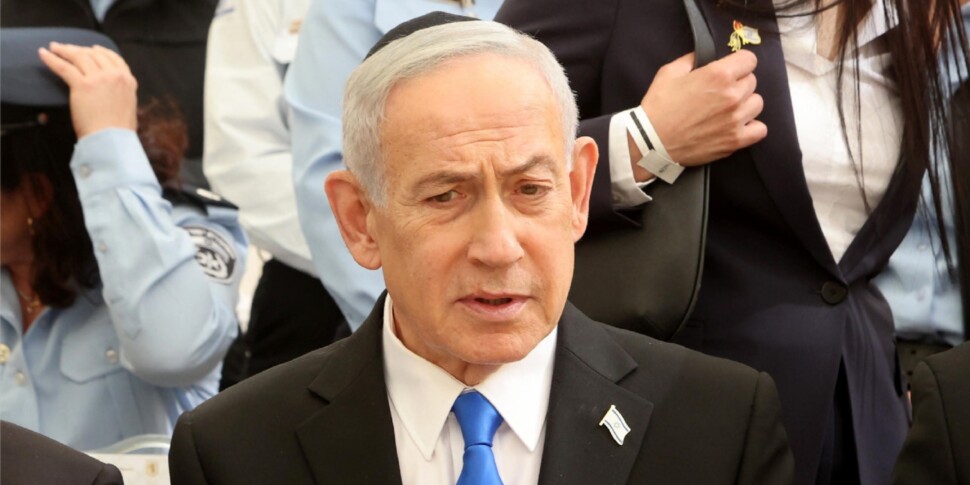
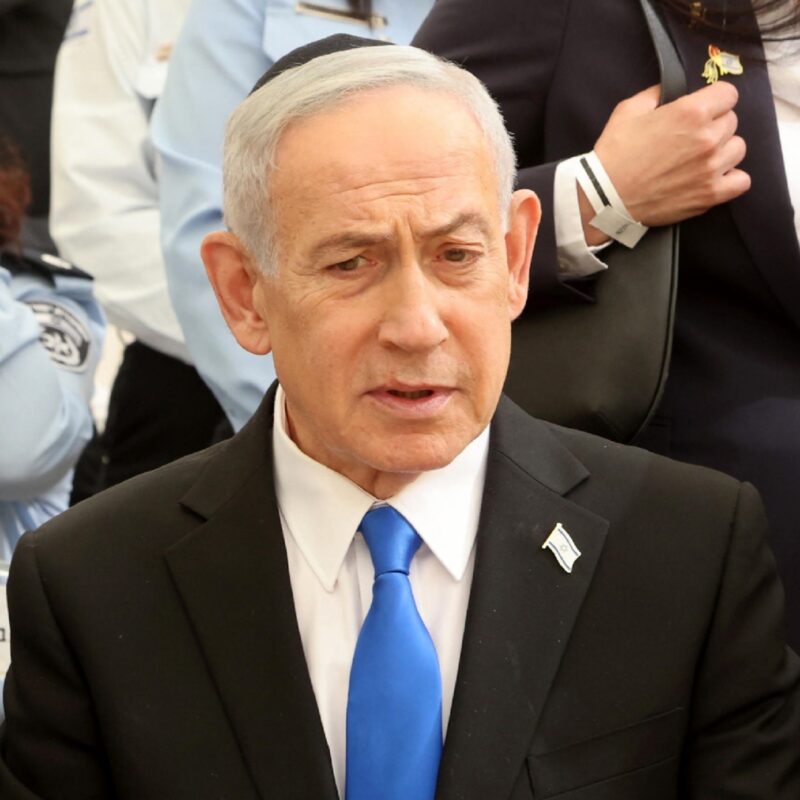
Prime Minister Benjamin Netanyahu’s promise, which had received the blessing of the opposition and a large part of the citizens, did not achieve its goal. The three main objectives – destroying Iran’s nuclear program, eliminating its missile arsenal and overthrowing the ayatollah regime – were not achieved. The work of achieving Israel’s security remains half done. Unleashing the anger of the population who supported Bibi’s operation, accepting mourning and pain, only out of existential necessity. Now, Hezbollah continues to launch bombs against the north of the country, IDF troops count dead and wounded despite the truce and are counterattacking in Lebanon causing damage and victims, Hamas does not disarm. But above all, if a future US-Iran agreement includes the lifting of economic sanctions, the result would bring billions of dollars into Iranian coffers, with which to continue arming Hezbollah, Houthis, Iraqi Shiite militias and Hamas against Israel. A disastrous prospect for the government and for the electoral scenario that Netanyahu is preparing to face. Despite American President Donald Trump reassuring on Saturday evening that he will not make “an agreement that is not advantageous for Israel”. Regarding the situation, the prime minister called a security meeting with the leaders of the coalition parties at the end of Shabbat.
Meanwhile, the media underlined how Netanyahu’s relationship with the Americans would evolve during the war: “From a situation in which US officers sat in the IDF command bunker in Tel Aviv and decisions were made jointly in real time, to a reality in which Israel acts as a subcontractor, awaiting approval for every action”, stated the New York Times in a report in which the Israeli journalist Ronen Bergman of Yedioth Ahronoth also collaborated. Whether these are speculations, personal comments reported by – frustrated – Israeli Defense sources, or whether Bibi’s line actually commands less trust in his friend Trump than three months ago, it is difficult to say. The matter is more than complex, the conflicting messages sent by all parties involved, including the Gulf countries and the mediators, aim to obtain both internal political and diplomatic results. The enormous interests do not allow us to affix certifications of truth in a fluid situation that lends itself to falling apart at any moment. In Israel there are very few who remain confident, the fear that the alarm sirens will go off at any moment is tangible.