

Google Discover

Preferred Sources
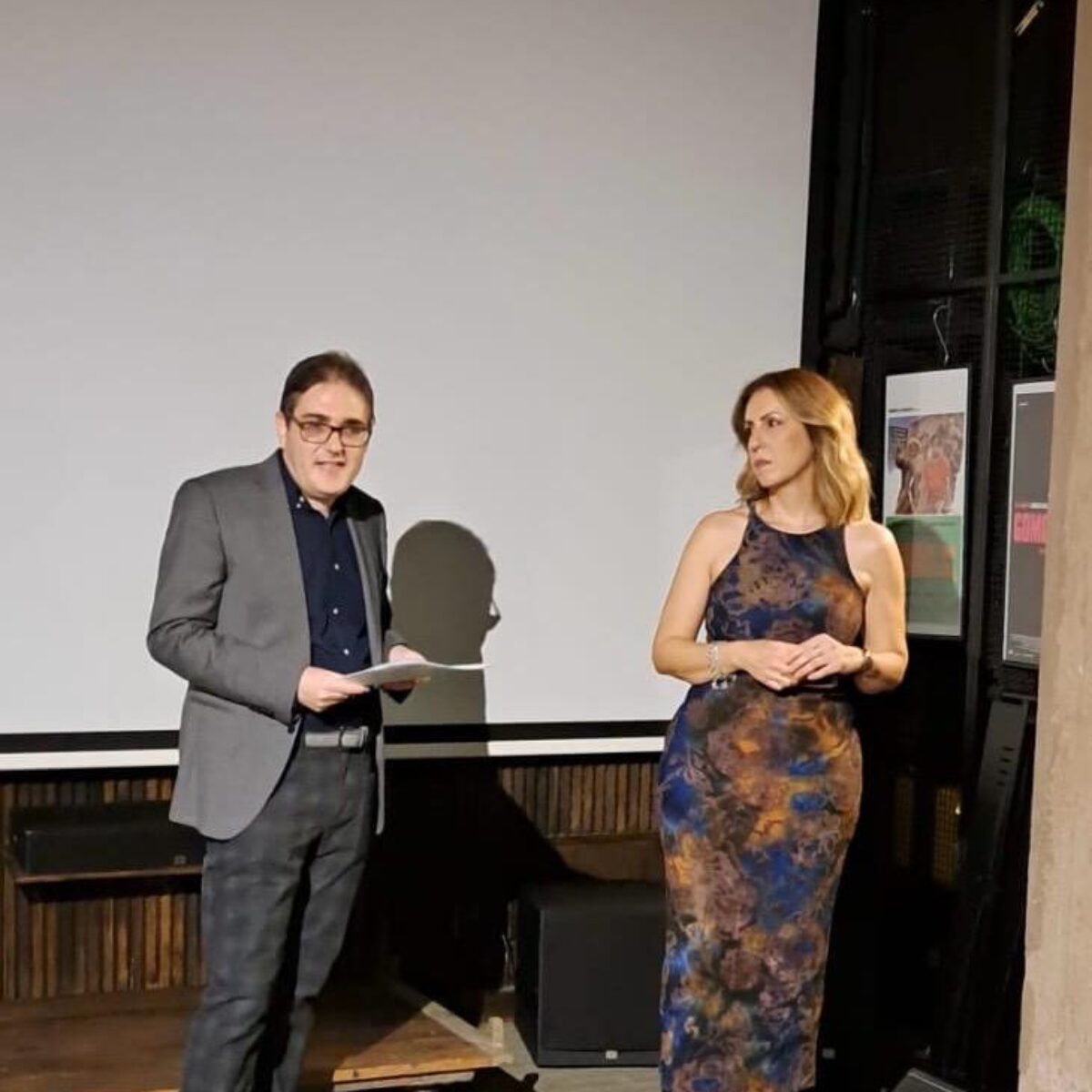
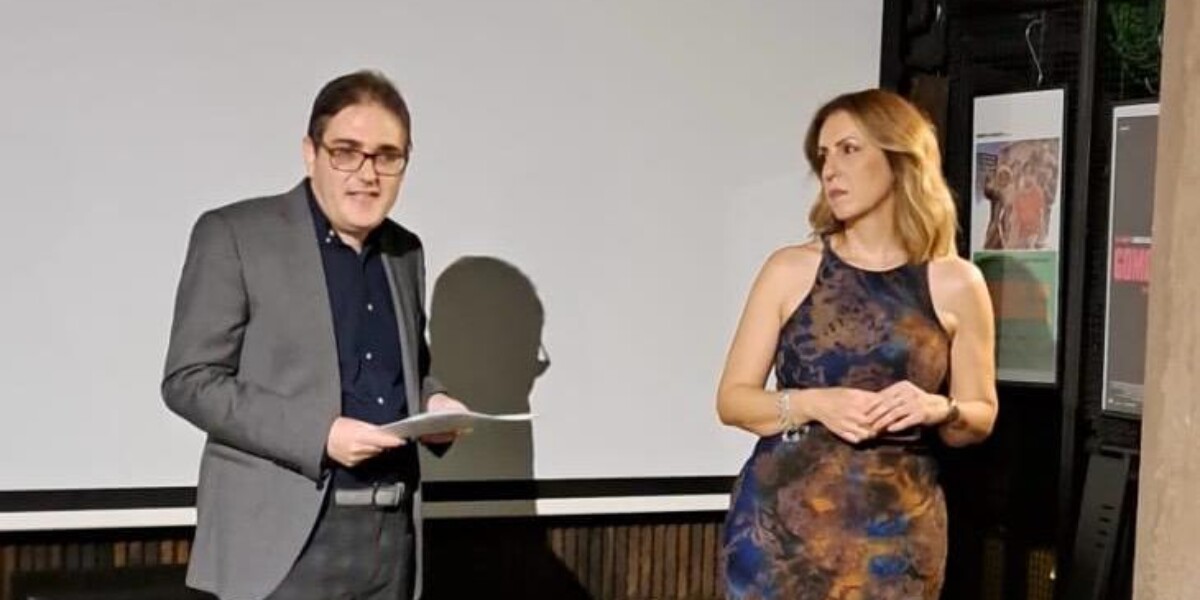
Domestic violence does not end in the rigidity of the positions of victim and perpetrator, but represents a recursive circle in which both parties remain trapped. This is the assumption from which “Beyond the Reflection” takes shape, a short film written, directed and starring the actress and director Elvira Gigante, presented as an absolute preview in recent days at The Cineclub in Rome, on the occasion of the Rome Film Festival.
Moderator of the event was the Messina journalist Marco Bonardelli, who spoke of a “necessary film” due to the perspective from which a serious problem of our time is analysed. «The film – observed Bonardelli – answers the question that we often ask ourselves when faced with yet another feminicide: why do many women, despite having the appropriate cultural tools to become aware of what they suffer, accept being humiliated, controlled and repeatedly devalued by their executioner, trading personal dignity for the hope of a caress? The short, through a narrative full of symbolism and metaphors, tries to answer this question by shining a spotlight on the syndrome of emotional dependence.”
The story of Sonia and Giacomo
The story is that of Sonia (played by Gigante herself), a forty-nine-year-old with an apparently orderly life, wife of Giacomo, a university professor of sociology, who is given a face by the actor Vittorio Aliotta. However, behind domestic normality lies a system of coercive control by the husband, made up of prohibitions, rituals, keys, silences and concessions.
Made by Gigarò Production with Prem1ere Film distribution, the short is freely inspired by the theatrical monologue «Rubata» by Aliotta himself.
From theatrical monologue to short film
«Vittorio proposed that I interpret the monologue at the theater – said Elvira Gigante – The further I read, the more a series of spaces, places, contexts and scenes that happened to the protagonist came to mind. Elements absent in the original monologue, where instead there is a story of emotional dependence and violence of the man towards his woman. There was so much more in my head, and so I wanted to make this story more brutal than the original text.”
The three key turns
The narrative is punctuated by the three keys sent to her husband’s door every time he leaves the apartment in which Sonia lives segregated, delimiting the boundary between freedom and prison. «These three mandates were intentional – said Gigante –. During post-production I insisted with the editor Iole Ionno and the sound engineer Camilla Baldan Bembo to make them feel loud, deafening. It was a bit of the reading element of the story.”
When a phone call intercepted by Sonia definitively damages Giacomo’s image, the tension accumulated for years reaches a point of no return, leading to an unexpected epilogue. «We wanted to convey the message that violence inevitably leaves traces on the person who suffers it – he added – without the possibility of going back. And we wanted to express this in a strong way so that it reached the public with all the burden of anguish. Because the problem of domestic violence belongs to everyone.”