

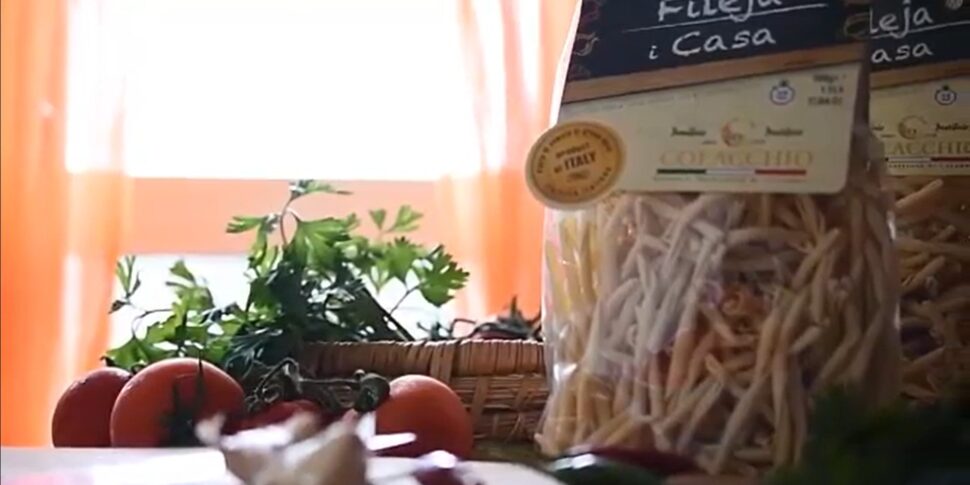
«Last week I already had to slow down production and next week I will be forced to reduce it again, producing at 50%». This is said by Rocco Colacchio, owner of the pasta factory of the same name based in San Costantino Calabro, in the province of Vibo Valentia, speaking about the economic effects of the war in the Middle East, the case of which was reported by Unindustria Calabria. The company, specialized in bakery products, produces around 20 thousand packages a day; exports represent 50% of the turnover. The company exports to Australia, Canada, the United States, Germany, Belgium, Holland and England. The outbreak of the conflict did not affect trade but had a negative impact on energy supplies.
The soaring costs of energy and raw materials
«We are an energy-intensive company – explains Colacchio – in addition to electricity, we use methane to heat the ovens and pasta dryers. In recent weeks we have recorded an increase in costs of approximately 45% for energy. Furthermore, suppliers of raw materials and packaging have already anticipated a price increase of between 10 and 15% in April. It is clear that this would lead to an increase in the price of a packet of pasta by around 15-20 points, increases that the market cannot absorb. What is most worrying is this climate of uncertainty: it is not clear whether this war will continue or when it will end. We are also afraid to purchase raw materials and for this reason we work in fits and starts.”
Protection of employees and proposals for the energy market
«I have already notified the employees – reports the entrepreneur – that they will be employed in other activities so as not to make them stay at home. They too have to deal with inflation and high fuel prices.” Regarding the introduction of measures to mitigate the cost of energy, Colacchio explains that «the problem in the meantime is European. For years I have been saying that it would be necessary to introduce a single European price. Italy has the highest energy prices in Europe, so we are not competitive. And then the refreshments. In the past the Region has already provided for them due to higher energy costs. So, relief or measures at European level, otherwise we won’t get out of this.”