

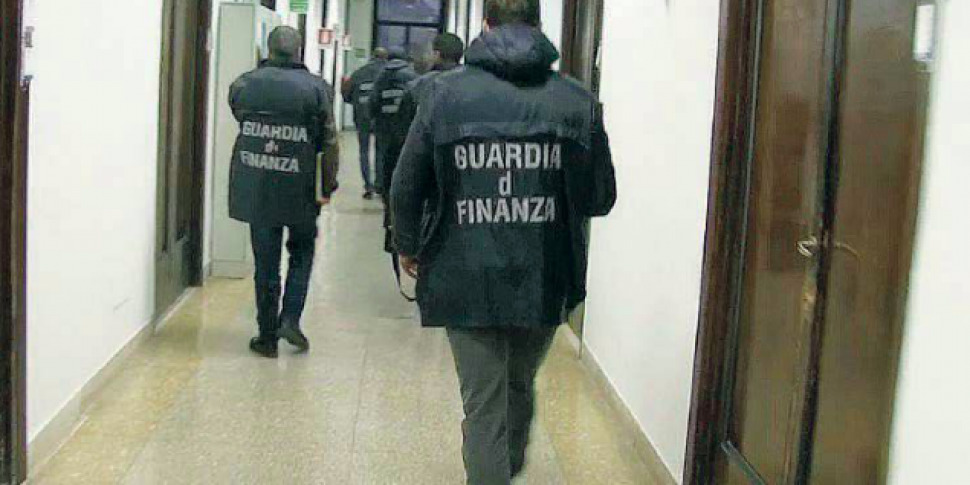
A real “catalogue of death” managed via smartphone, where Kalashnikovs and blocks of TNT were photographed and sold as in a normal e-commerce. It is the heart of the operation of the Guardia di Finanza of Reggio Calabria which dismantled the new “Santabarbara” of the Molé gang of Gioia Tauro, ready to rearm for the clash with the rivals Piromalli.
The arsenal in encrypted chats
The investigation, conducted by the Financial Economic Police Unit and the Gico, started from the analysis of some encrypted chats attributable to the suspects. Encrypted conversations from which the availability of a real war arsenal emerged. The weapons were photographed by those arrested to be sold or exchanged with buyers who remained, in part, unknown.
The photos of the Kalashnikovs that appeared in the chats allowed the Fiamme Gialle to detect their correspondence with the weapons that the carabinieri, in January 2025, found buried in the countryside of Gioia Tauro. The fingerprints of those arrested were found on those rifles and pistols, as they effectively ran a “weapons supermarket”. Also available were:
600 grams of TNT from the former Yugoslavia;
A German machine gun dating back to the Second World War.
The profile of “Testazza” and the reorganization of Molé
The statements of various justice collaborators who place him close to ‘Ndrangheta circles also weigh heavily on Salvatore Infantino, known as “Testazza”. According to the investigators, Infantino was “absolutely functional to the military strengthening and preservation of the criminal political power of the Molé gang”.
What emerged in the investigation must be read in relation to the historical frictions between the Molé and the Piromalli, the other hegemonic gang in Gioia Tauro, marked by the murder of the boss Rocco Molé in 2008. According to the analysis of the magistrates, the Molé gang was reorganizing itself militarily, equipping itself with an arsenal to protect itself and react to any new “actions” by the rival gang.