Mouths sewn (or almost) in the Calabrian center-right. Some sporadic statements (such as that of the Melonian undersecretary Wanda Ferro), while the bulk of communications is entrusted to short phone calls and exchanges of messages between the coalition colonels. Roberto Occhiuto is not heard: the governor posts a video on his social channels that portrays him together with some Luiss students to talk about their future, but stays away from comments on the referendum consultation which marked a defeat for the supporters of the Nordio reform.
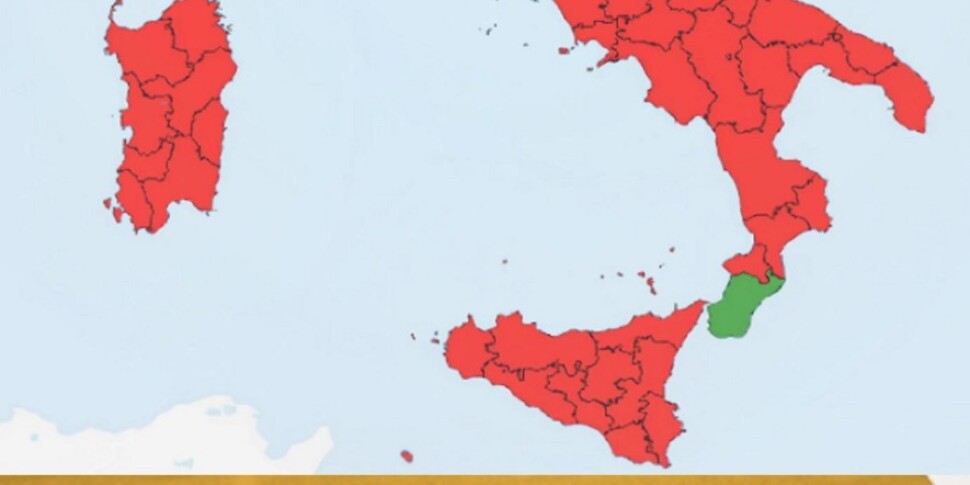
The disappointment is palpable, there’s no denying it. Calabria and Sicily – regions where the Nos have largely prevailed -, historically “granaries” of the majority now in government, have proven to be bitter lands for Meloni and company. «Disappointing» is the adjective most used around Palazzo Chigi to describe the result achieved in the extreme south of the Peninsula. And even if the line is to keep your nerve and reiterate that there will be no backlash, in Rome as in Catanzaro, there are hours of reflection. The analyzes concern the vote in the territories and the consequent percentages, with the exception of the province of Reggio Calabria (here the Yes won) where the organizational machine of the Italian Francesco Cannizzaro still produces concrete results. Occhiuto’s informal conversations with the main leaders of the allied parties and with his colleagues from Forza Italia serve to strengthen relations at a delicate moment.
Of course, imagining repercussions on the current structures of the Region today means designing scenarios far from reality, but there is no doubt that the avalanche of No expressed by the Calabrians represents an alarm bell for a coalition that emerged largely victorious from last autumn’s Regional elections.
Something didn’t work in the centre-right referendum campaign; the rest was done by a large part of the judiciary (with the prosecutor Nicola Gratteri at the head), the political forces of the center-left and the whole world of intermediate bodies close to the progressive camp. A composite, heterogeneous group, yet capable of demonstrating a majority among voters.
There are no fears of attrition, after all the legislature at Palazzo Campanella has just begun. Yet among those elected to the Region there are doubts about what the future will be. The moves of Prime Minister Giorgia Meloni and those of Antonio Tajani, Matteo Salvini and Maurizio Lupi are being followed with extreme attention.
The full article is available in the print and digital editions