

Add the Gazzetta del Sud as a source
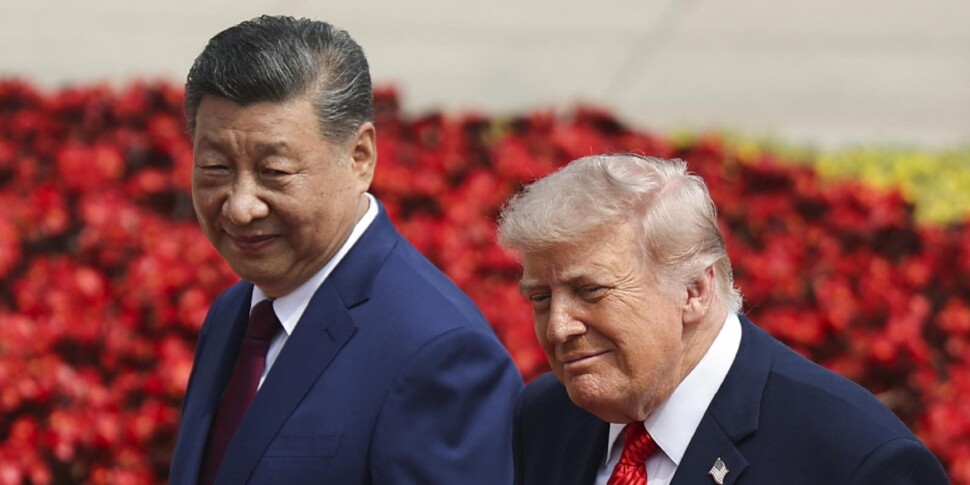
China and the US “have agreed that Iran will never be able to acquire nuclear weapons”. The White House states this in the report of the meeting between Donald Trump and Xi Jinping in Beijing, as reported by the Guardian.
The Trump-Xi axis between cooperation and diplomacy
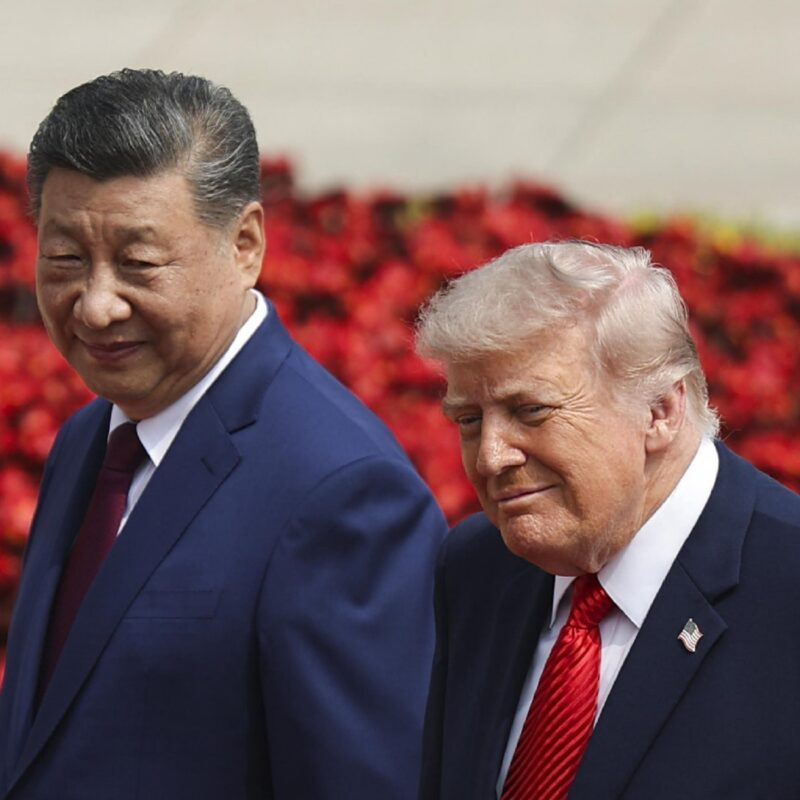
Xi Jinping and Donald Trump celebrated their personal friendship and the centrality of the relationship between China and the United States in Beijing, presenting cooperation between the two major powers on the planet as an indispensable condition for global stability. Struck by “a fantastic welcome”, the American president, eager to reciprocate, invited his Chinese counterpart and first lady Peng Liyuan to visit the White House on September 24th.
Before the state banquet, Xi defined the relationship between Beijing and Washington as “the most important bilateral relationship in the world”. “We must make it work and never ruin it, we are non-rival partners,” he said, underlining that the two countries “have to gain from cooperation and lose from conflict.” The Chinese leader added that the rebirth of the Chinese nation and the Trumpian project of “Make America great again” can “proceed hand in hand” and contribute together to the well-being of the entire planet.
Trump reciprocated the conciliatory tone, calling Xi “a great leader” and “a friend”, and assuring that relations between China and the United States will be “better than ever”. In his speech he recalled that Americans and Chinese share values such as work, courage, success and love for family and country, and that together they can build “a future of greater prosperity, cooperation, happiness and peace for our children, for this region and for the world”.
Taiwan remains the most delicate issue in relations between Beijing and Washington
Behind the atmosphere of cordiality – Trump was welcomed with full honors in the sumptuous Great Hall of the People, with military fanfare and a salvo of 21 cannon shots – the Chinese president nevertheless opened the summit with a severe warning on the Taiwan dossier, defined as “the most important issue in relations between China and the United States”. “If it is handled poorly, the two countries could clash or even enter into conflict, pushing the entire Sino-American relationship into an extremely dangerous situation,” Xi warned, also evoking the risk of the so-called “Thucydides trap”, according to which an emerging power and a dominant power can be pushed towards war. The US Secretary of the Treasury, Scott Bessent, assured that the head of the White House will return to the issue “in the coming days”.
Agreement on Hormuz and Iran, duties and rare earths also on the table
The summit also addressed the war with Iran and tensions in the Strait of Hormuz. According to the White House, Trump and Xi agreed on the need to keep the sea route open to ensure the free flow of energy and on the fact that “Iran cannot have nuclear weapons.” Xi also expressed his opposition to the “militarization” of the strait and the hypothesis of introducing a toll for the transit of ships, as proposed by Tehran. The issue is particularly sensitive for China, which imports more than half of its seaborne crude oil from the Middle East and depends largely on Hormuz for its energy supplies. Commercial relations between the two powers have also ended up on the table, after months of tariff war, as have Chinese restrictions on rare earths, rivalry in artificial intelligence and the possibility of extending the tariff truce agreed by the two leaders last October.