

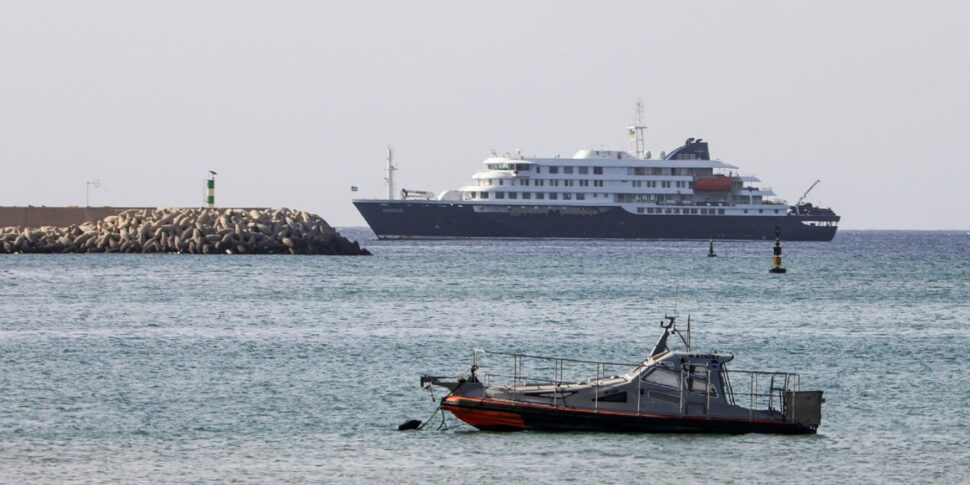
Suspected human-to-human transmission of hantavirus on the mv Hondius cruise ship currently off Cape Verde. The WHO states this: “We believe that there may be human-to-human transmission among close contacts,” said Maria Van Kerkhove, WHO director for epidemic and pandemic preparedness and prevention.
“Given the length of the hantavirus incubation period, which can vary from one to six weeks, we assume that they were infected outside the ship”, and “we believe that there may have been human-to-human transmission between those who were in close contact”.
A group of epidemiologists will inspect the cruise ship to decide the destination
A group of epidemiologists will inspect the cruise ship Mv Hondius, anchored off the coast of Cape Verde, with approximately 149 passengers on board in the afternoon, to assess the exact situation of the hantavirus outbreak on board and the risk to passengers, and then decide the final destination of the ship for their disembarkation. This is what the Spanish Ministry of Health reports, after the meeting with the World Health Organization.
The ship remains off the coast of Cape Verde, the cruise’s port of arrival, after local authorities refused the disembarkation. The assessment of the situation, ministerial sources report, will be the responsibility of WHO experts. And none of the hypotheses are currently ruled out: both the possibility that the ship heads towards the Canary Islands and that the passengers are repatriated from the cruise’s port of origin in the Netherlands. Moncloa sources explained that the meeting between the Ministry of Health and the WHO served to “evaluate the various scenarios” and the possibility that the ship will eventually dock in the Canary archipelago is, therefore, “only one of the options”.